Why a class electricity-saving pledge works well
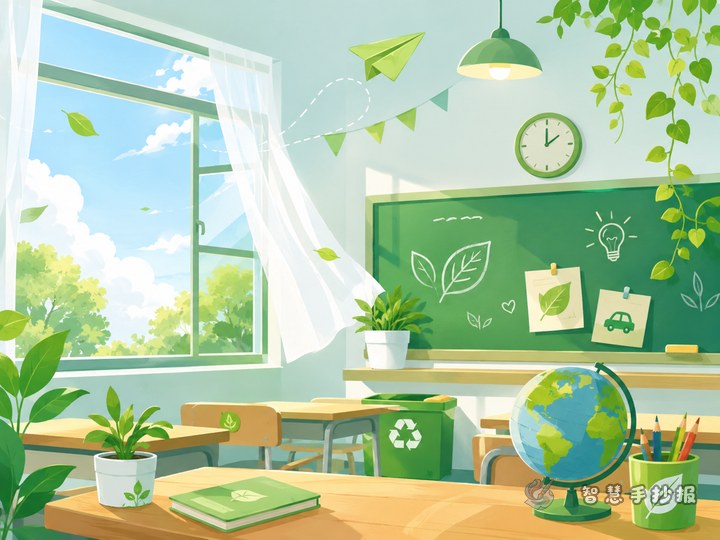
If you want a campus energy-saving handwritten newspaper to feel close to real student life, a class electricity-saving pledge is a very practical choice. Instead of using broad slogans only, this topic turns energy saving into clear classroom actions, such as turning off lights before leaving, using daylight when possible, shutting down fans and projectors when they are not needed, and avoiding long standby time for devices.
This makes the theme easy to write, easy to draw, and easy for teachers and classmates to understand at a glance.
Sections you can place on the page
Section 1: Our class electricity-saving pledge
- Use natural light first when the classroom is bright enough.
- Check lights, fans, and projectors before leaving the room.
- Turn off multimedia equipment after class instead of leaving it on standby.
- Save paper and use both sides whenever possible.
- Remind classmates kindly when electricity is being wasted.
Section 2: Common power waste in the classroom
- Lights left on after school.
- Fans running with no one using them.
- Projectors staying on after class ends.
- Chargers left plugged in for too long.
Section 3: Short slogans
- Save one unit of electricity, brighten a greener campus.
- Turn it off by hand, protect the earth every day.
- Small energy-saving actions build a better school.
- Start from our class and make saving a habit.
Short text materials for students
You do not need very long paragraphs in a handwritten newspaper. A short central paragraph is enough:
Energy saving and emission reduction are not far away from us. They are part of everyday school life. Every light, fan, and projector in the classroom should be used carefully. If everyone starts with small actions, our class can save more energy and our campus can become greener.
You can also add a short call to action:
Let us become young electricity-saving helpers from today. Turn off unnecessary lights, remind others to stop waste, and protect our green campus with real actions.
Layout ideas that look complete
A good structure is a big title in the center with sections around it. You can use a title such as “Class Electricity-Saving Pledge” or “Young Energy Savers in Action.” Around the title, place four clear sections: pledge rules, common waste, slogans, and a short initiative.
- Make the main title large and easy to notice.
- Draw small icons like a light bulb, plug, switch, or sun.
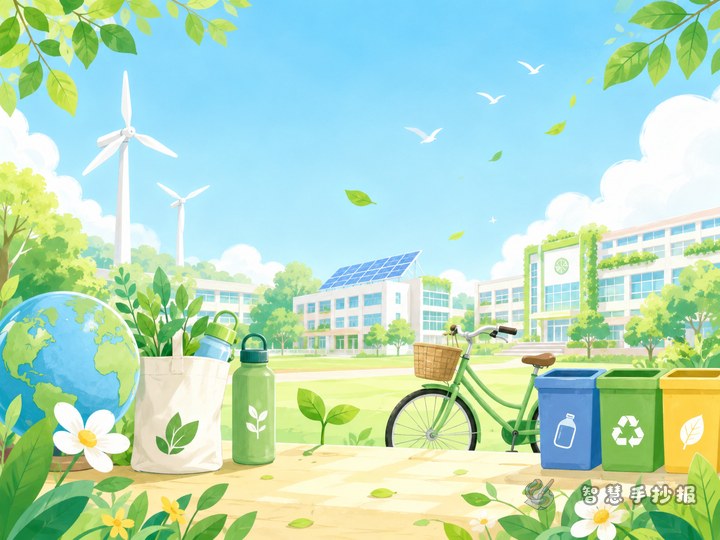
- Add trees, leaves, or the earth at the bottom to strengthen the green-campus feeling.
- Use simple frames or note-style boxes to keep each section neat.
How to make it feel more like real school life
To avoid empty writing, add words from real school situations such as “before morning reading,” “after lunch break,” “at dismissal time,” or “in the multimedia classroom.” These details make the work feel more realistic and school-based.
You can also create a small section called One energy-saving thing I did today, with short notes like “I reminded my classmate to turn off the fan” or “I used both sides of my draft paper today.” This adds participation and makes the page more lively.
Helpful tips before you start
Before drawing, decide the title, color scheme, and sections first. Then choose 6 to 10 short pieces of text so the page does not become too crowded. Younger students can focus more on slogans and drawings, while older students can add a short initiative or simple action records.
If you want to organize the layout, colors, and page content more quickly, you can also continue creating in the Smart Handwritten Newspaper WeChat mini program.