Why Corridors and Stairways Cause the Most Trouble at Break
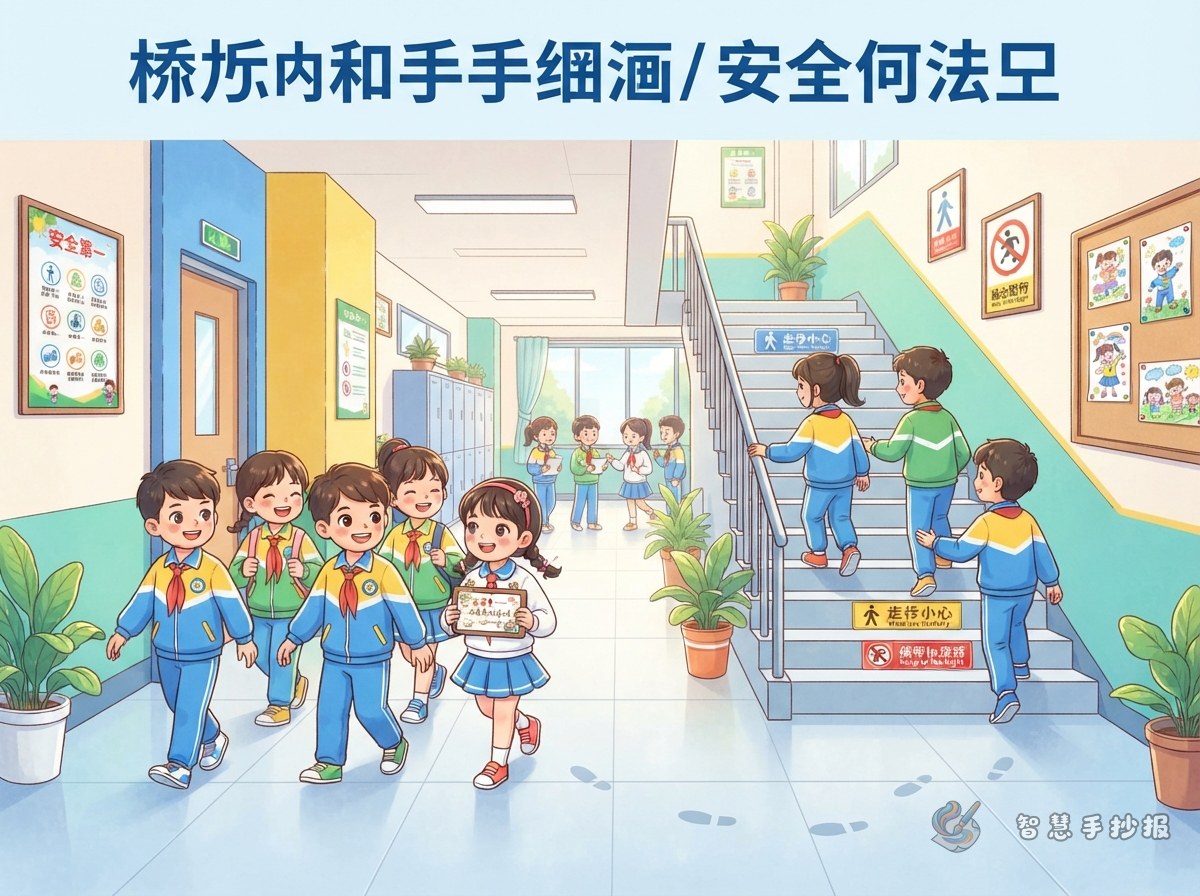
In a ten-minute break, the classroom doorway, the hallway corner and the top of the stairs are the busiest spots in school. Students carry cups, ropes or books, so their view is blocked, and everyone is in a hurry to reach the playground or the washroom. Writing these scenes into your newspaper makes readers feel that you are describing their own class.
A good opening line: Crowding is not caused by too many people, but by fast feet, mixed directions and no queuing.
Pick a Headline That Says It All
The best headlines pair an action with a result, so they read like a rule and a promise at the same time.
- Walk on the Right, Keep Break Time Clear
- Small Steps on the Stairs, Big Care for Safety
- Slow Down at the Corner, Stay Safe All Day
- Ten Minutes of Break, Still Walking by the Rules
Write the main headline in bold block letters or outline letters, and add a smaller subtitle underneath with a marker pen. Leaving half a character of space between the two lines keeps the top of the page from looking cramped.
Three Columns That Carry the Message
Column 1: Three Nevers in the Hallway
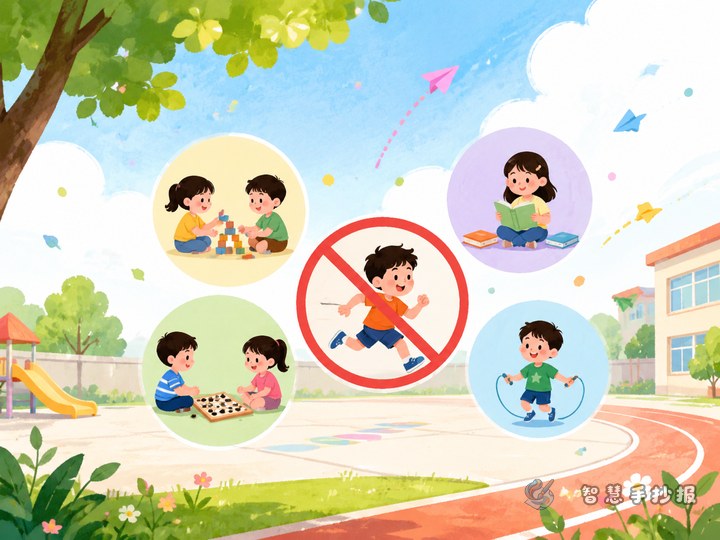
- Never run or play ball games in the corridor;
- Never walk four or five abreast, form a single line when it is crowded;
- Never stop or turn suddenly, so the person behind you does not bump into you.
Column 2: Safe Moves on the Stairs
- Keep to the right and hold the railing, one step at a time;
- Slow down at corners and check before you turn;
- Never lean over the railing and never sit on a step to tie your shoelaces.
Column 3: Busy Days and Rainy Days
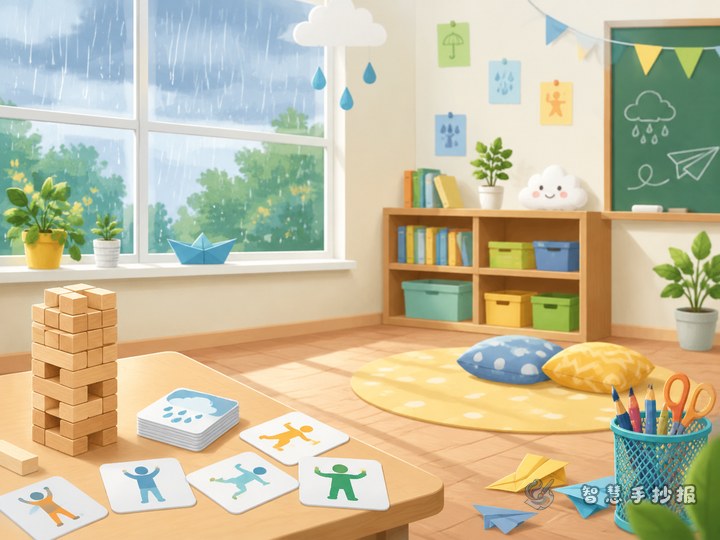
When the floor is wet, write three big words at the top of the page: slow, wait, give way. Add one line of explanation: letting the person ahead finish is faster than pushing past them.
Layout Trick: Let One Staircase Line Organize the Page
Draw a zigzag staircase line from the top left corner to the bottom right. It divides the page for you without any complicated measuring.
- Write one slogan inside each step so the text climbs with the line;
- Add a small footprint and an arrow at every corner to show keeping right;
- Leave a blank strip at the bottom as a class promise, where classmates sign or stick on small stars.
Colour tip: use pale blue or pale green as the base, orange-red for warnings and dark blue or black for body text. Three colours are enough.
Lines and Rhymes You Can Copy Straight Away
Rhymes fit nicely in the middle of the page or in a corner.
- In the hallway, walk and go, never run and never push; on the stairs, keep to the right, one step up feels just right.
- At every corner, pause and see, then walk on safely and easily.
Short slogans work well inside steps or small boxes.
- Softer steps, closer friends.
- Give way, and everyone moves smoothly.
- Keeping right is really making way for yourself.
A Quick Check Before You Hand It In
- Can readers tell at a glance that this is about corridor and stairway safety?
- Does each column contain one action students can do today?
- Is the spacing wide enough to read from two metres away?
- Do the drawings decorate the page instead of crowding out the words?
If you want ready-made borders and section shapes, open the Smart Handwritten Newspaper mini program in WeChat, choose a break-time safety layout, drop your text in, then print it or copy it by hand.