Choose one focused angle first
If you want to include both the Great Wall and the Forbidden City on one handwritten newspaper, the best way is not to collect too much information at once. Start with one clear angle, such as architectural beauty, historic impressions, Chinese cultural heritage, or famous landmarks in Beijing. Once the angle is set, the title, colors, and sections will feel more unified.
Student-friendly title ideas include: The Great Wall and the Forbidden City in My Eyes, Discovering Beijing Landmarks, The Beauty of Ancient Chinese Architecture, or Walking into Historic China. These titles sound natural and make the page easier to plan.
Simple sections that work well on the page
You do not need too many sections. Four or five are enough for a clear and attractive result:
- Landmark cards: Give a short introduction to each site.
- Building highlights: Describe walls, watchtowers, halls, roofs, and colors.
- Quick history facts: Add easy and age-appropriate information.
- Good visitor habits: Mention how to protect historic sites.
- My thoughts: Share feelings such as pride, surprise, and admiration.
This combination includes both knowledge and personal expression, which is ideal for classroom assignments and display boards.
Ready-to-use writing materials
Short text for the Great Wall
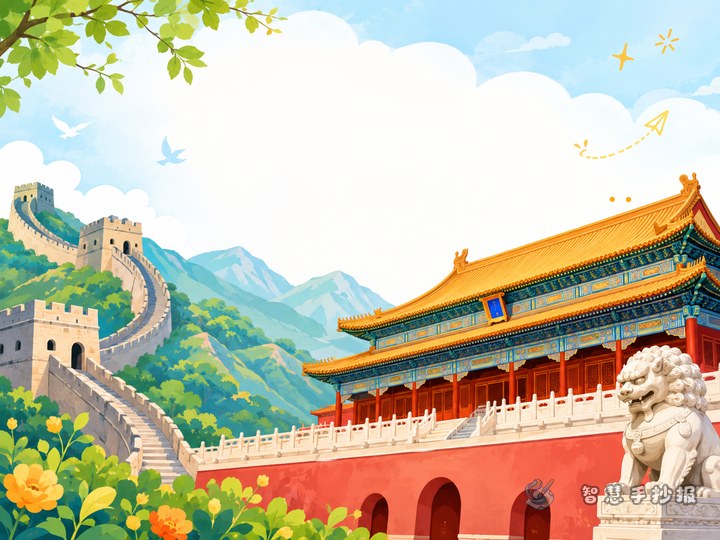
The Great Wall is one of China’s most famous ancient structures. It stretches across mountains and hills, with walls, battlements, and watchtowers that show the wisdom and effort of ancient people. It also represents strength and perseverance.
Short text for the Forbidden City
The Forbidden City is a famous ancient palace complex in Beijing. Its red walls, golden roofs, and grand halls make it both beautiful and dignified. It helps us understand the richness of traditional Chinese culture and architecture.
Visitor manners
When visiting historic landmarks, we should not draw on walls, throw rubbish, or make too much noise. Protecting cultural relics means protecting our shared history.
Personal reflection sample
When I think of the Great Wall, I feel its power and grandeur. When I look at the Forbidden City, I notice elegance and order. Both landmarks show the wisdom of Chinese civilization and deserve our respect.
Try a left-and-right comparison layout
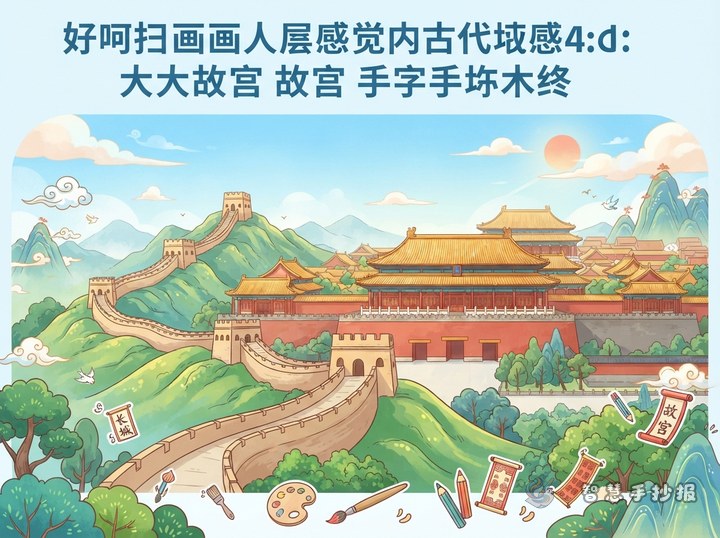
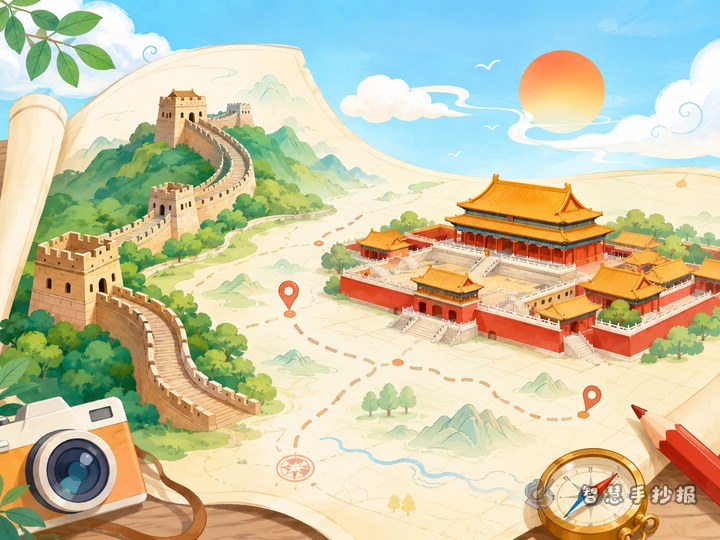
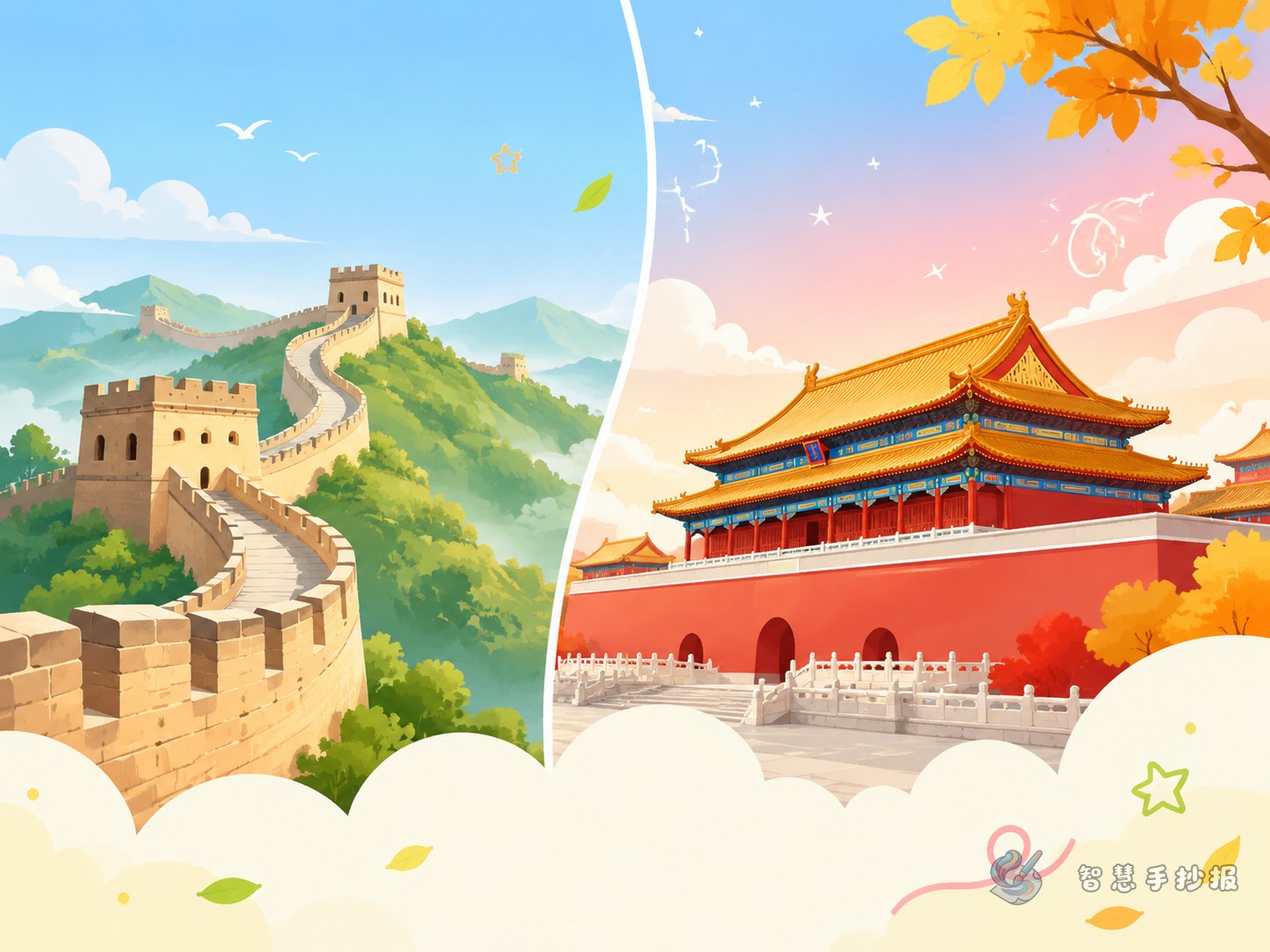
This topic works especially well with a split comparison layout. Put the Great Wall on the left and the Forbidden City on the right, then place the main title or a short introduction in the center or top area. This makes the two main subjects easy to compare.
- Place the title at the top and shape it like a palace gate or wall line.
- Use mountain lines or brick patterns on the Great Wall side.
- Use roof edges, lanterns, or cloud motifs on the Forbidden City side.
- Add a small “what I learned” or “visitor tips” section at the bottom.
If you have only a little text, make each section larger. If you have more writing, divide the content with small headings so the page does not look too dense.
Colors and decorations that fit the theme
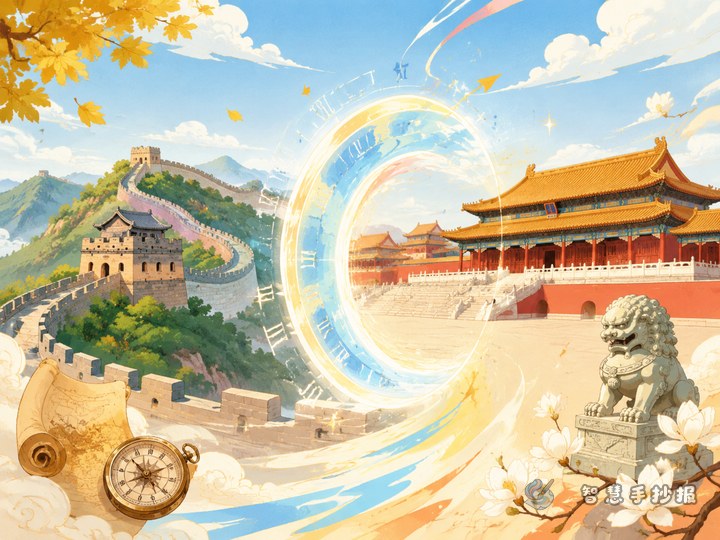
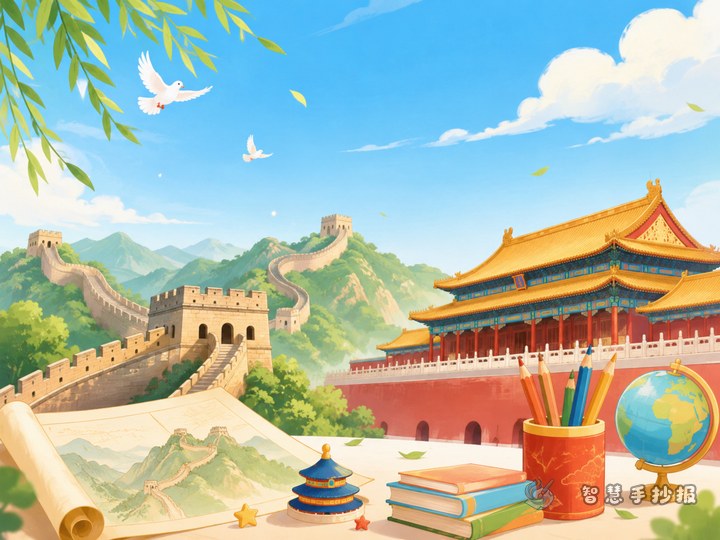
Do not use too many bright colors at once. A cleaner Chinese-style palette works better: red, gold, gray, brown, and light blue. Red highlights the palace atmosphere, while gray and brown help show the texture of the Great Wall. Light blue can brighten the background like an open sky.
For decorations, choose only a few elements such as brick walls, lanterns, cloud patterns, roof lines, scrolls, or mountain shapes. Too many ornaments can make the page look crowded, while simple details create a more polished result.
How to end the handwritten newspaper
A short concluding sentence can make the whole work feel complete. For example: The Great Wall and the Forbidden City are not only famous landmarks, but also important symbols of Chinese civilization. By learning about them, we learn to respect history and protect cultural heritage.
If you already have your topic and writing materials but still want help with arranging sections and improving the final page, you can continue organizing your ideas in the Zhihui Handwritten Newspaper WeChat mini program.