Why Helmets and Seat Belts Make a Strong Poster Theme
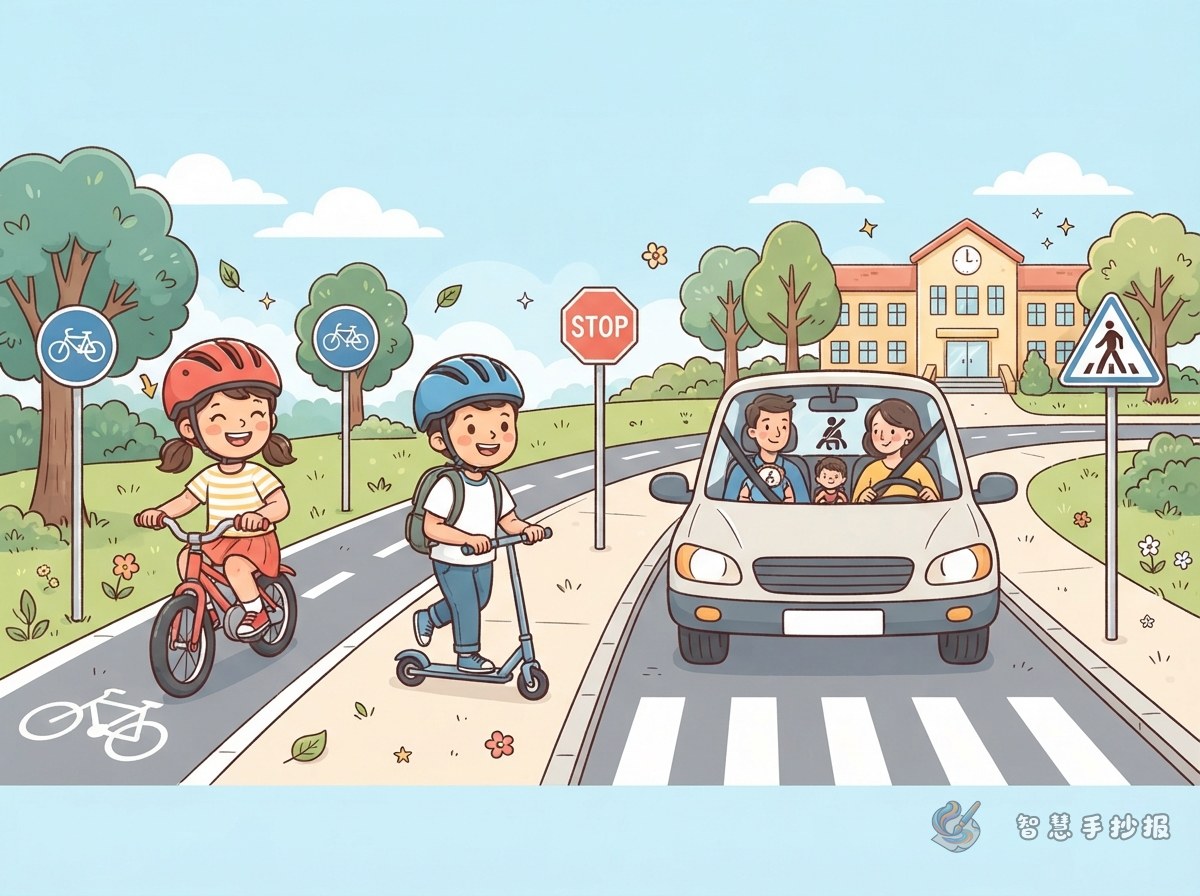
Helmets and seat belts are two small habits children meet almost every day. That makes them perfect for a traffic safety handwritten newspaper. Instead of only drawing traffic lights and big roads, students can write about what they actually do when they ride or get into a car, so the poster feels personal and useful.
Before starting, think of the poster as a short checklist: when should I wear a helmet, and when should I buckle up? Turn those answers into short lines, a chant and a few simple pictures, and the page will fill up quickly.
Safety Facts You Can Copy onto the Poster
Three rules for wearing a helmet
- Wear it straight: the helmet sits level on top of the head, not tilted to one side or pushed back.
- Fasten the strap: the chin strap should be snug, so the helmet stays in place when you move your head.
- Check it often: if the shell is cracked or badly scratched, tell an adult and replace it.
Three rules for wearing a seat belt
- As soon as you sit down in the car, pull the belt across and listen for the click.
- The belt should lie flat over the shoulder and chest, never tucked under the arm.
- Younger students sit in the back seat and keep hands and heads inside the window.
Short bullet lines work better than long paragraphs on a poster, and they are easier for readers to remember.
Four Sections That Give the Page a Clear Structure
- Title area: write “Helmet On, Seat Belt Clicked” in large letters and add a helmet or small car drawing.
- Facts area: place the helmet and seat belt rules inside a circle or square frame.
- Chant area: add your own four short lines, for example “Helmet on before we ride, seat belt clicked once inside”.
- Action area: leave a small box for “My safety promise”, such as reminding Dad to wear a helmet, with a little check box beside it.
Drawing and Layout Tips for a Tidy Poster
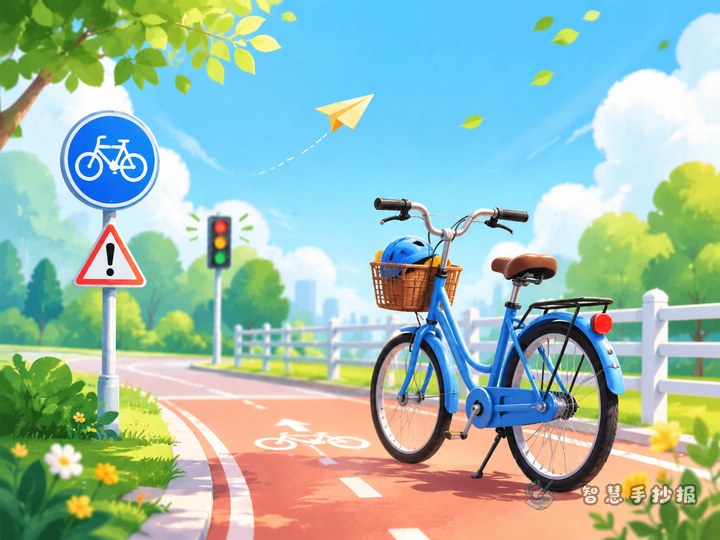
You do not need many pictures. Three or four elements are enough: a helmet, a seat belt buckle, a road and a crosswalk. A helmet can be a half circle with one curved line; a seat belt can be a diagonal band with a square buckle; a road is simply two parallel lines with white stripes.
- Colours: blue with yellow or orange creates a clear traffic safety look. Keep the background light and the title dark.
- Frames: use a ruler or a cloud-shaped border to separate the four sections, and leave a little white space.
- Text size: the title is largest, small headings sit at the top of each section, and body text stays within two or three lines.
- Focus words: highlight “helmet” and “seat belt” in a different colour so readers spot the main idea at once.
From the Poster to a Real Daily Habit
When the poster is finished, hang it near the study desk or use it as a family checklist: helmet on before riding, seat belt clicked before the car moves. That way the project becomes more than homework — it becomes a small reminder the whole family can use.
If you want a ready layout, open the 智慧手抄报 WeChat mini program, choose a traffic safety theme, swap in your own words and pictures, then print it out and colour it by hand to finish your own traffic safety handwritten newspaper.