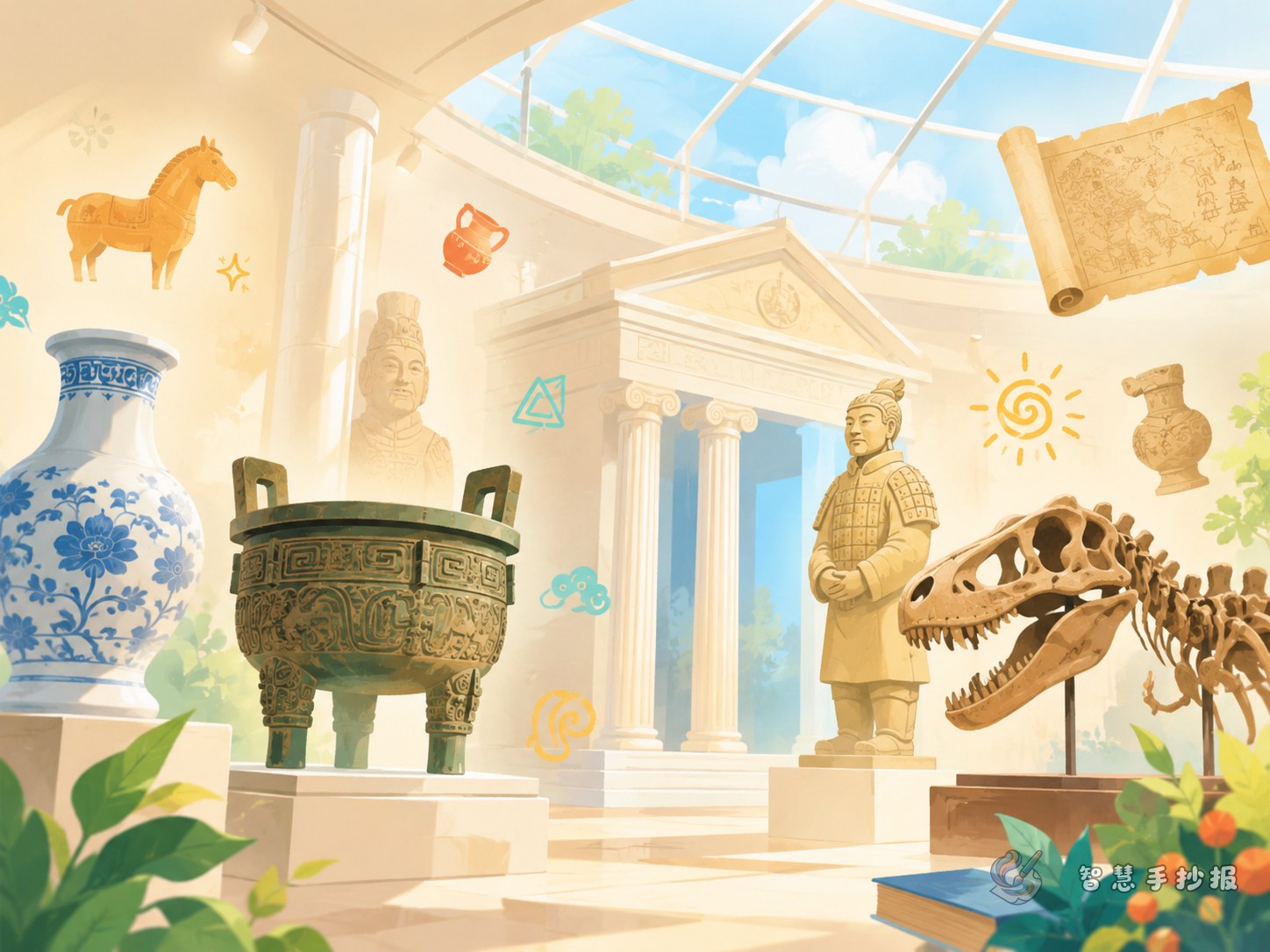
Start with a clear angle: make history visible
For a handwritten newspaper on “The Museum I Most Want to Visit with My Classmates,” you do not need to include every type of museum. A better idea is to choose one clear angle: what you would show your classmates, why it matters, and what they could learn there. This makes the page easier to organize and more natural for students.
You can build the content around historical value, artifact stories, and the museum visit experience. That turns a simple introduction into a storytelling page with both facts and personality.
Four useful sections for the page
1. Museum profile
Write a short introduction to the museum you would recommend. Explain what kind of museum it is, such as history, cultural relics, or local culture. You do not need a long encyclopedia-style description. Just tell readers what they can mainly see there.
2. Must-see artifacts
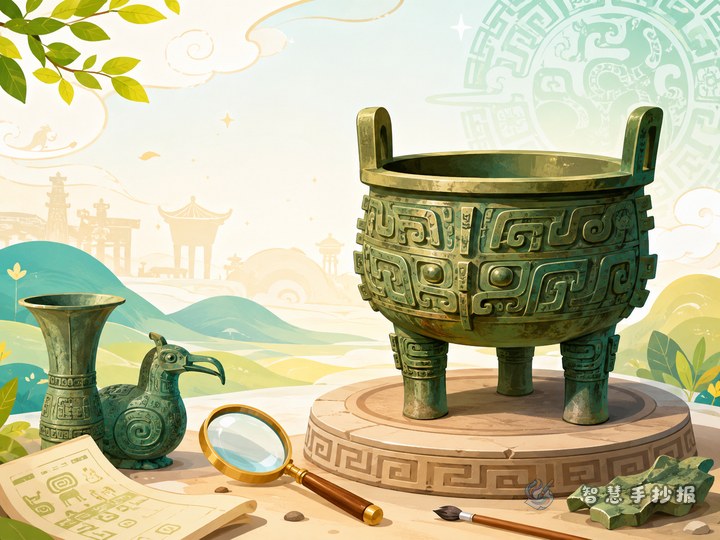
- Bronze ware: a good way to introduce ancient craftsmanship and ritual culture
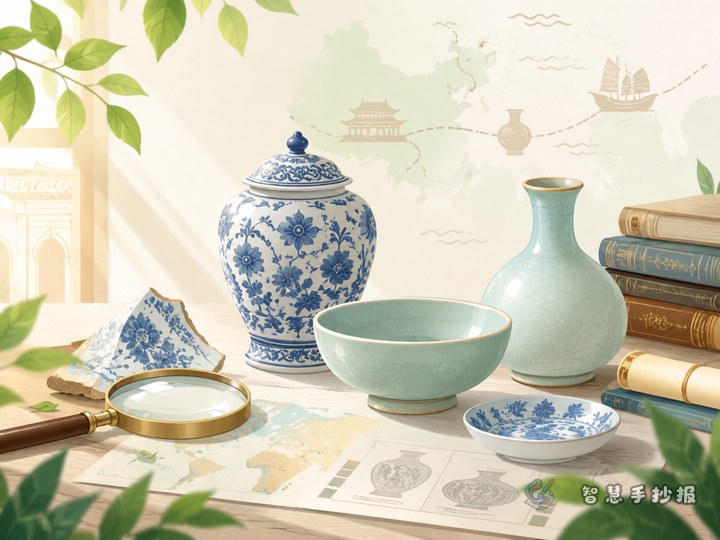
- Pottery or porcelain: helpful for showing changes in daily life and aesthetics
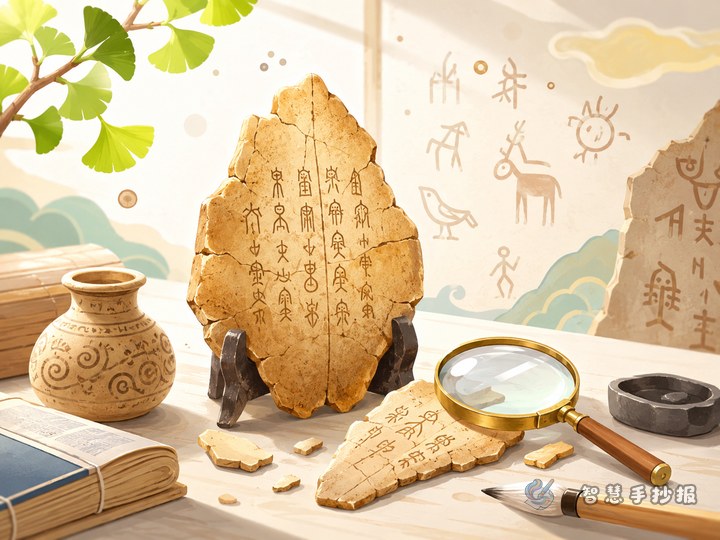
- Calligraphy, paintings, or inscriptions: useful for talking about writing and art in the past
- Weapons or ancient tools: helpful for understanding ancient life and warfare
For each object, add one short sentence such as “It shows how people lived in ancient times” or “It reflects the features of its dynasty.”
3. How I would guide my classmates
This section works well in the first person. For example: “I would first take everyone to the main hall,” “Then we would look at the most representative artifact,” or “At the end, we would choose the object that best tells a historical story.” This makes the newspaper feel lively instead of copied from reference material.
4. What we can learn from the visit
You can mention learning history, protecting cultural relics, practicing polite behavior in museums, and understanding why museums preserve memory. A short closing reflection will make the whole page feel complete.
Ready-to-use writing lines
If you are unsure what to write, these lines can help:
- A museum is like an open history book that lets us learn through real objects.
- An artifact is not only something to look at; it also carries the story of its time.
- When we visit a museum, we should speak softly, walk carefully, and respect the space.
- History is not far away. It can be found in objects, patterns, writing, and ruins.
- A museum makes the history in textbooks more vivid and easier to understand.
You can also add a personal thought, such as “If I could take my classmates there, I would most want them to discover the wisdom behind the artifacts.” That makes the work sound more genuine.
Layout ideas that feel like a real visit
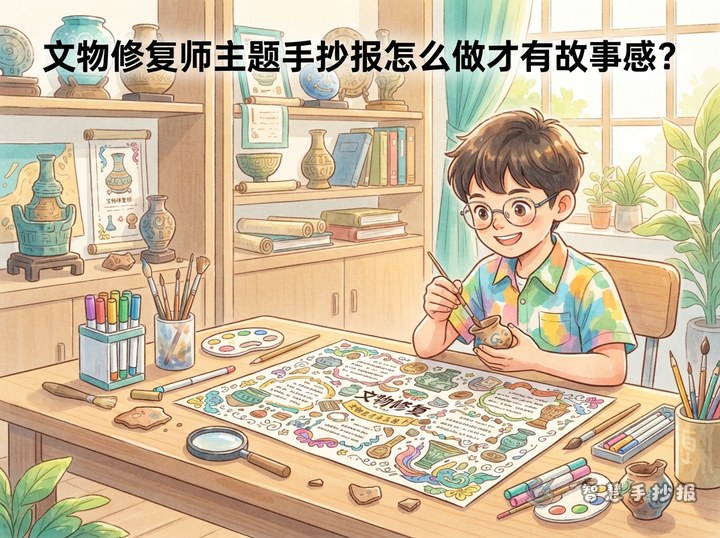
This topic is great for a route-style layout. Put the main title at the top center, decorate lightly on both sides, and divide the page into clear sections below.
- Top area: main title and a subtitle such as “Step into a museum and read history through artifacts.”
- Left side: museum profile and visit route.
- Center: must-see artifacts as the visual focus.
- Right side: “I can be a young guide” or “What I learned.”
- Bottom: polite museum rules and a short conclusion.
Good decorations include scrolls, bronze patterns, ancient building lines, or small relic icons. Do not overcrowd the page; some blank space helps readers focus.
Small details that make the page better
- Do not list only artifact names. Add one sentence about use, feature, or historical meaning.
- Keep paragraphs short. Two or three sentences per block are easier to read.
- Choose calm colors for titles, such as brown, dark green, or deep blue, to match the history theme.
- Balance text and drawings so the page does not look too crowded.
If you already have the topic and sections but want to organize the layout faster, polish titles, or add more fitting text, you can continue in the Zhihui Shouchaobao WeChat mini program and turn your ideas into a more complete handwritten newspaper.