Start with the Journey of One Family Letter
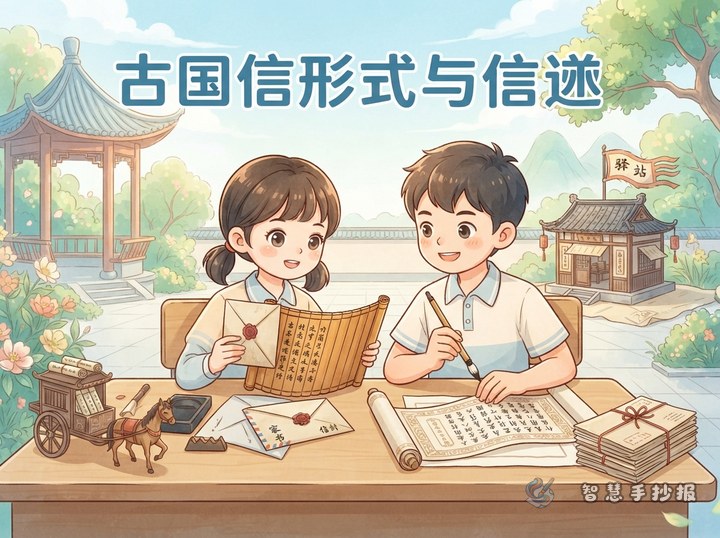
In ancient China, people could not send instant messages or make phone calls. News from a distant family member often traveled through letters. For this handwritten newspaper, you can build the theme around the journey of one family letter: writing the message, sealing it, sending it through a post route, and finally delivering it to the person waiting far away.
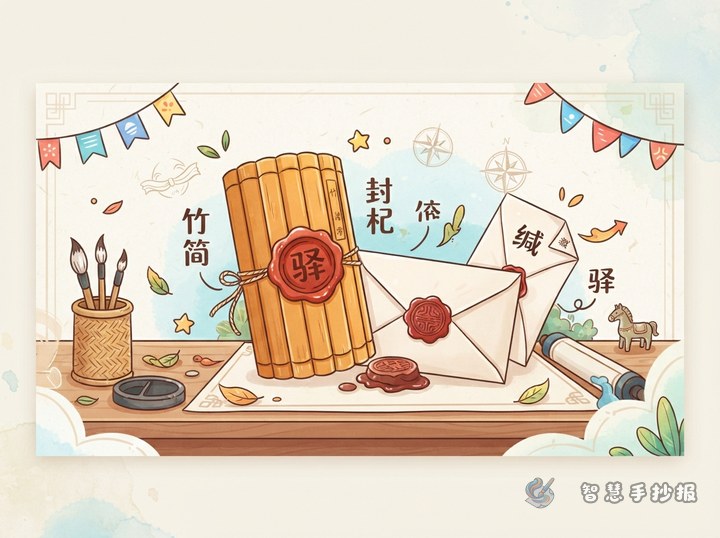
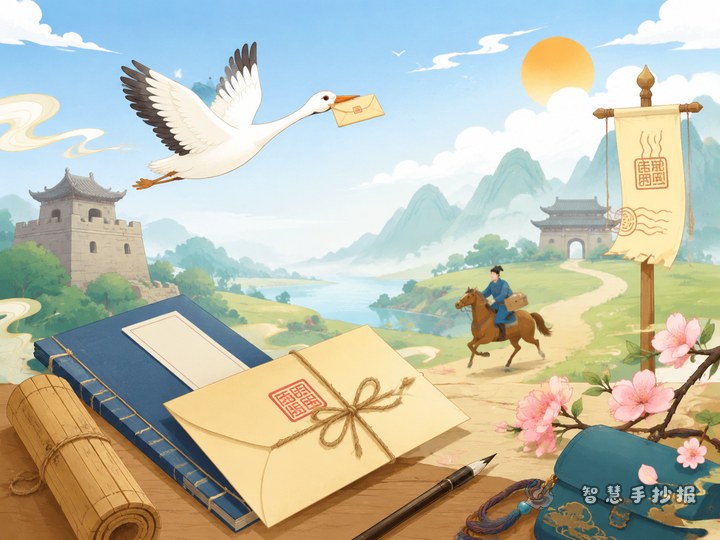
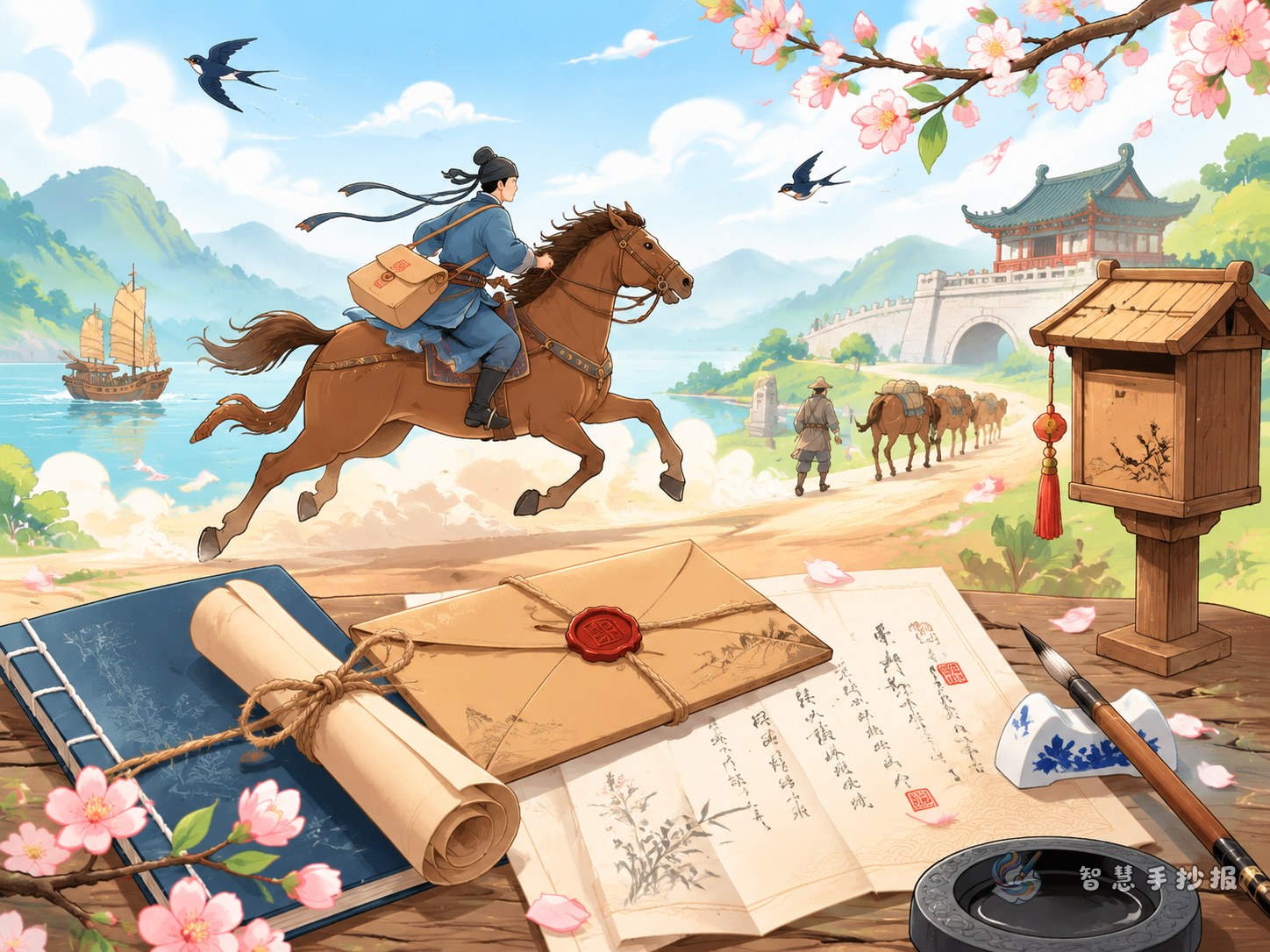
Good title ideas include “A Letter Across Time,” “A Family Letter from Afar,” or “From Post Horse to Home.” Around the title, students can draw a scroll, an envelope, a post station, a horse, a mountain path, or a flying wild goose to show the feeling of ancient communication.
Key Facts to Put in the Newspaper
What was the ancient postal relay system?
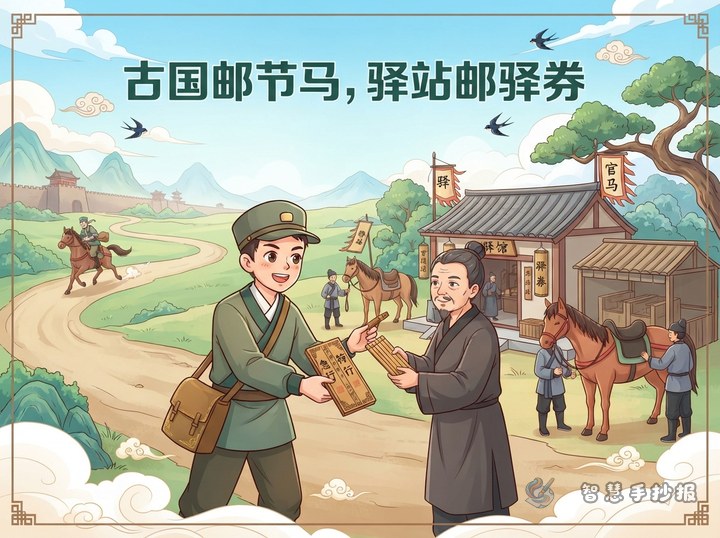
The postal relay system helped deliver official documents, military messages, and important information across long distances. Post stations were usually built along main roads. Messengers could rest, change horses, and continue the next part of the journey.
Why were letters so meaningful?
Travel was slow in ancient times, so a letter might take many days to arrive. A family letter carried not only news, but also care, longing, advice, and blessings. This is why letters were often treasured by both the writer and the reader.
Useful culture words
- Family letter: A letter between family members, often about safety and longing.
- Wild goose carrying a message: A poetic image used to describe sending letters.
- Chisu: An elegant ancient word for a written letter.
- Post horse: A horse used at relay stations to help messages travel faster.
Make the Layout Look Like a Letter Route
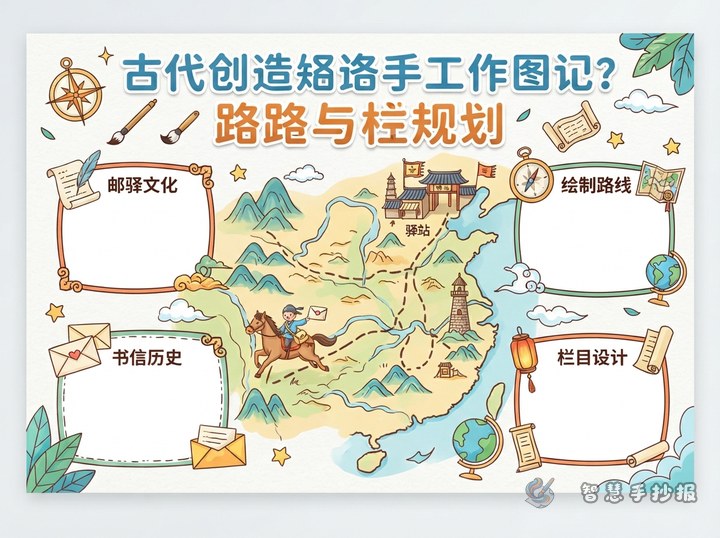
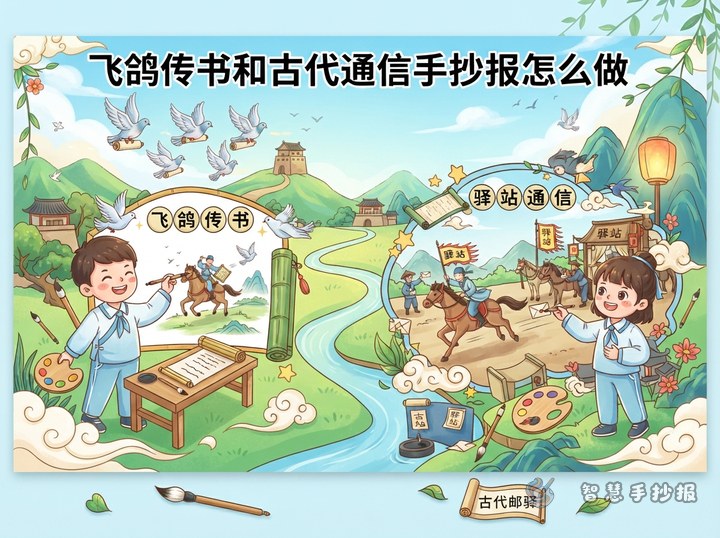
This topic works well as a route-map layout. Draw a winding road in the center of the page. Mark the starting point as “the writer” and the ending point as “the receiver.” Along the way, add three or four post stations. Next to each station, write a short note such as “the letter is sealed,” “the messenger starts,” “the horse is changed,” and “the message arrives.”
The corners can hold different sections: a short introduction in the upper left, a “letter word bank” in the upper right, a small box for poems or sayings in the lower left, and a personal section called “One sentence I would write to my family” in the lower right.
Short Sentences Students Can Copy
- Opening sentence: An ancient letter may look simple, but it carries deep care and longing.
- Fact sentence: A post station was like a relay point on the road, helping important messages move farther.
- Reflection sentence: Communication is easy today, so we should value every greeting from family and friends.
- Personal box: If I wrote a family letter, I would tell my loved ones that I am safe, working hard, and missing them.
Students can also add a small “ancient and modern communication” comparison. Ancient people used letters, messengers, and post horses, while we use phones, the internet, and delivery services today. Keep this part short so the page stays neat.
Colors and Drawing Tips
Use warm beige, light brown, dark green, and soft blue to create an ancient but bright style. Borders can look like scroll edges or letter paper. Section titles can be decorated with small seal shapes. Simple drawings of envelopes, brushes, horses, mountain roads, post stations, and lanterns are enough to make the theme clear.
Before making the final page, students can sketch the sections on draft paper. Then they can enter the Zhihui Shouchaobao WeChat mini program to organize the layout, improve the title, and prepare cleaner text for the handwritten newspaper.