Start with a clear storyline for a surname migration map poster
This kind of handwritten newspaper works best when it follows one simple line: where the surname began, where the family later moved, and what family values were passed down. Compared with writing only about surname origins, a migration-map theme feels more visual and personal. Students can focus on their own family surname and present the information in a neat, easy-to-read way.
A title such as “My Family Surname Migration Map”, “Where My Surname Came From”, or “Tracing My Family Journey” makes the topic clear at first glance.
Useful sections to include on the page
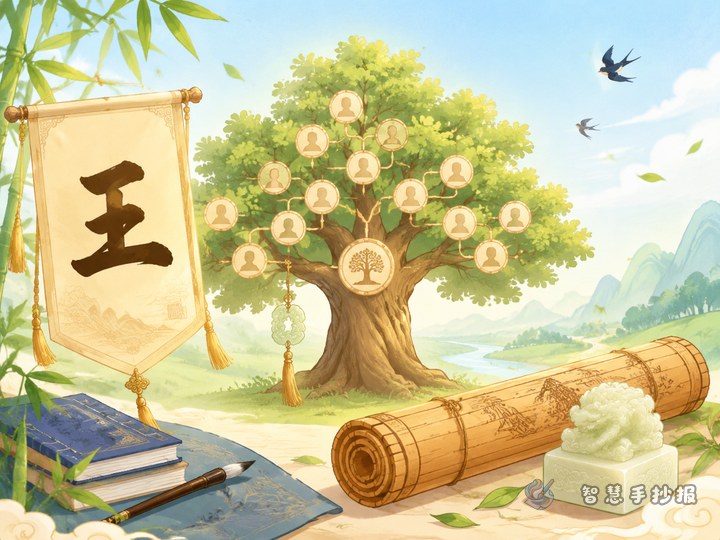
- Surname profile: write the pronunciation, the character, and a brief introduction to the surname.
- Origin notes: explain in simple words how the surname may have started, such as from a place name, title, or ancestor.
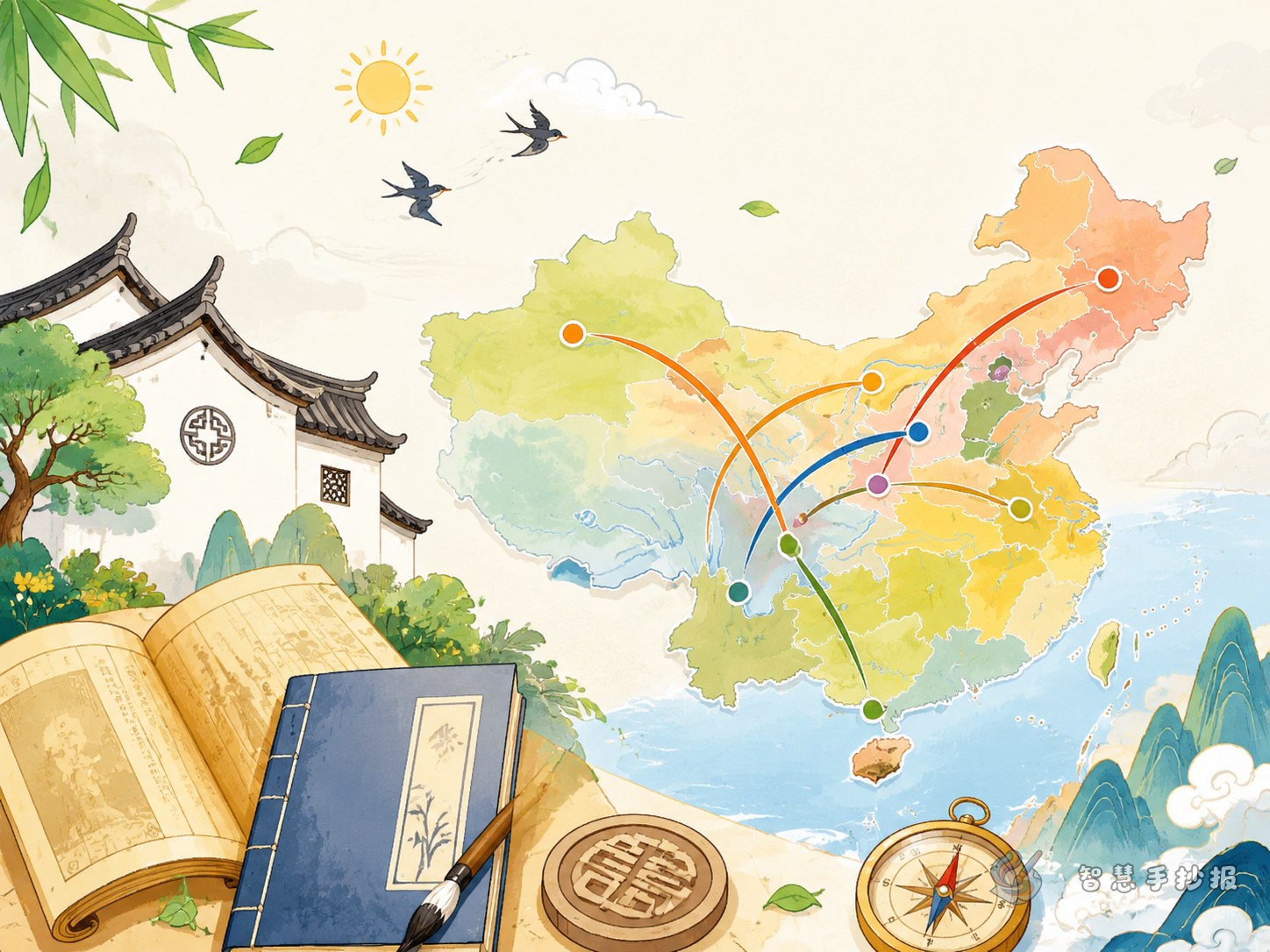
- Migration route: show the family path with arrows, from an early origin place to later living areas and today’s home.
- Family story corner: add one short story told by parents or grandparents.
- Family values: include ideas like honesty, hard work, respect, and love for learning.
If there is more space, students can also add a small box for famous people with the same surname or a short reflection about what they learned.
Ready-to-use writing ideas for students
An opening line can be: “Behind every surname is a long history. By reading simple materials and asking my elders, I learned more about where my surname came from and how my family moved over time.”
A migration paragraph can be: “My surname can be traced back to an earlier region in history. As people moved for safety, work, or new opportunities, family members gradually settled in different places. Although the living area changed, our family values remained.”
A closing idea can be: “A surname is more than a name. It connects us to family memory and reminds us to carry good family traditions forward.”
How to design the layout so it looks lively
This topic looks best with a map-style design. Put the main title at the top, then place a route diagram in the center with arrows linking several place names. The map does not need to be detailed. Simple province shapes, footprints, and direction lines are enough to show movement.
- Use a large title at the top in a strong color.
- Place the migration route in the center.
- Arrange short sections like origin, story, and family values on both sides.
- Decorate with seal-style shapes, clouds, leaves, or traditional patterns.
Warm and calm colors such as beige, brown, dark red, and green can make the poster feel cultural and tidy.
How to make the poster feel personal instead of generic
The key is to combine general surname knowledge with real family details. Do not copy only encyclopedia-style facts. Add information such as where grandparents came from, what sayings are often repeated at home, or what family traditions are remembered during festivals. Even if there is no family genealogy book, students can still write based on what elders remember.
After preparing the text, families and students can continue organizing sections, colors, and final layout in the Smart Handwritten Newspaper WeChat mini program to make the whole page cleaner and easier to complete.