Start with one clear idea
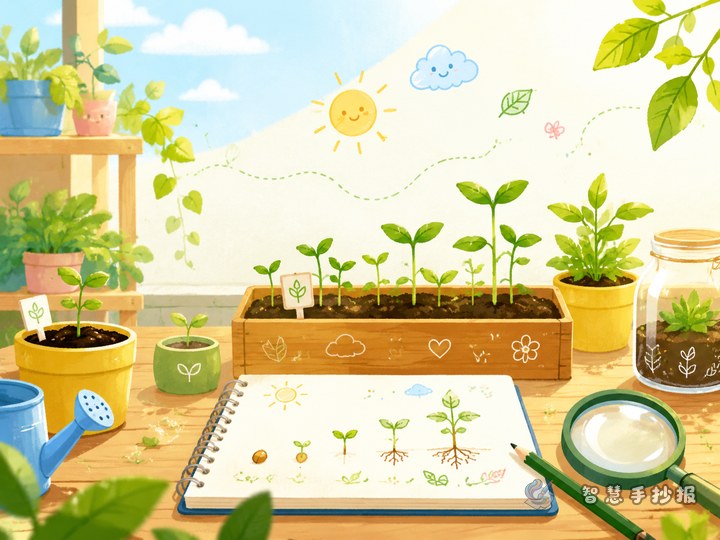
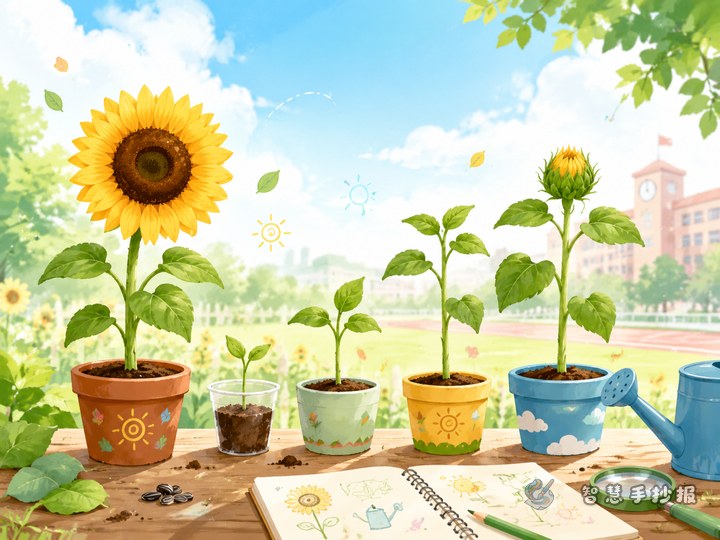
A school vegetable garden handwritten newspaper should not only list plant names. The best version combines school planting, hands-on work, and plant changes. Before writing, decide whether the page is mainly about introducing the school garden or showing students' planting experience.
For younger students, the focus can be on knowing vegetables and enjoying labor. For older students, adding planting steps and simple observation notes makes the content fuller.
Useful sections to include
1. Our school vegetable garden
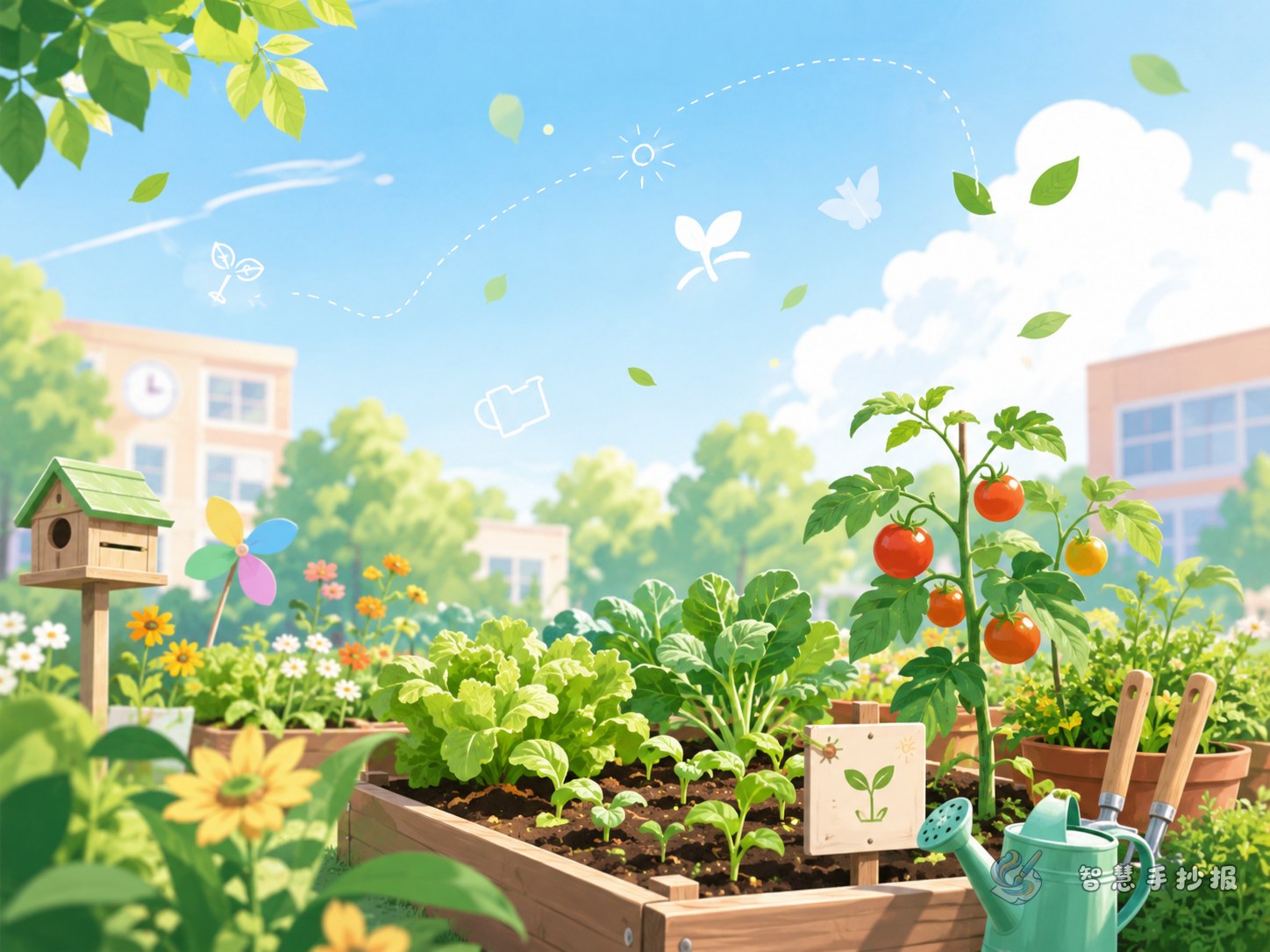
Briefly describe where the garden is and what it looks like. A few sentences are enough to show the setting.
2. What we planted
- Leafy greens
- Tomatoes
- Cucumbers
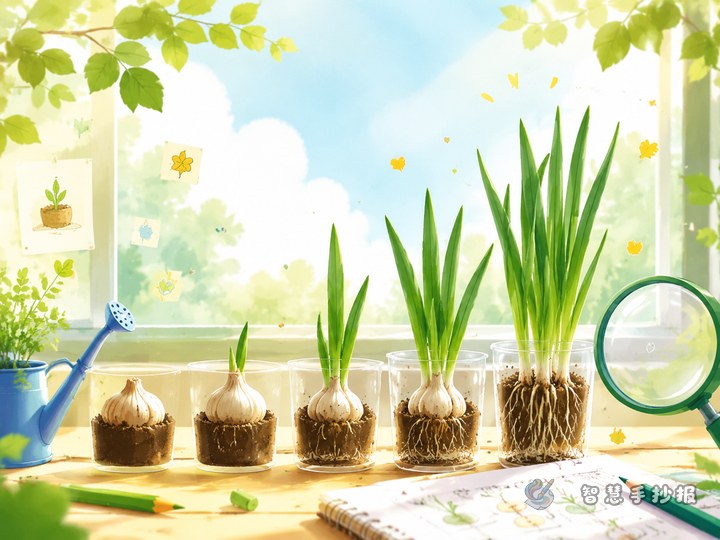
- Green onions
- Beans
This section looks lively with small drawings. Students can also mention color, shape, or simple growth features.
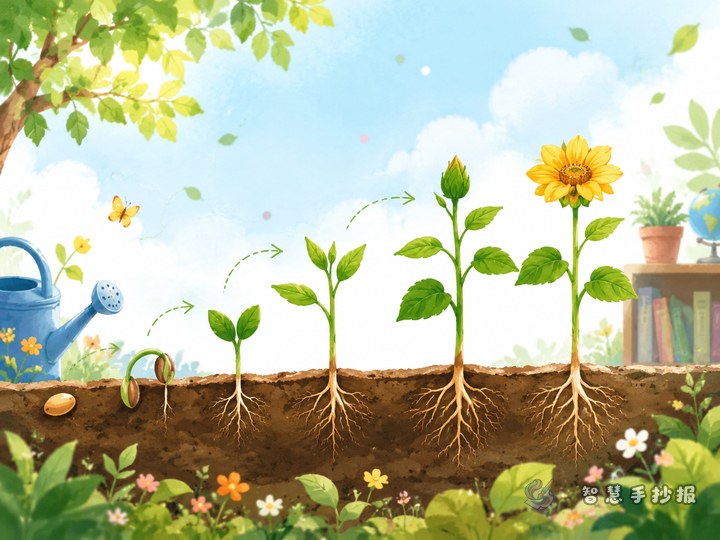
3. Planting steps
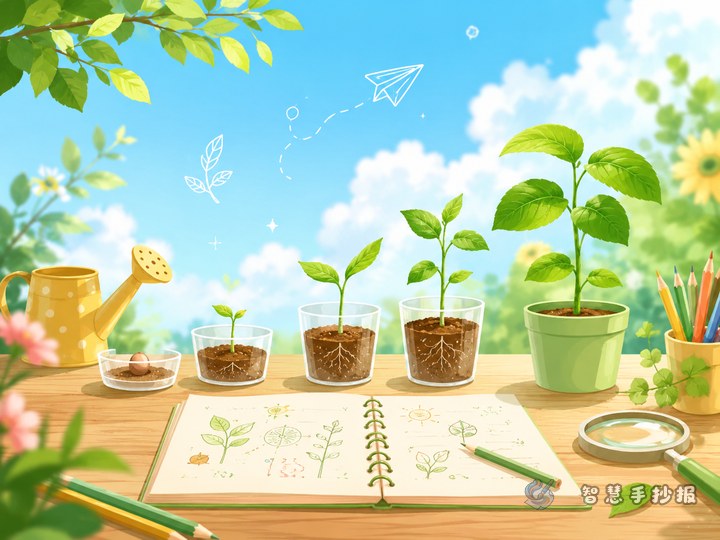
- Prepare and loosen the soil
- Sow seeds or move seedlings
- Water and care for them
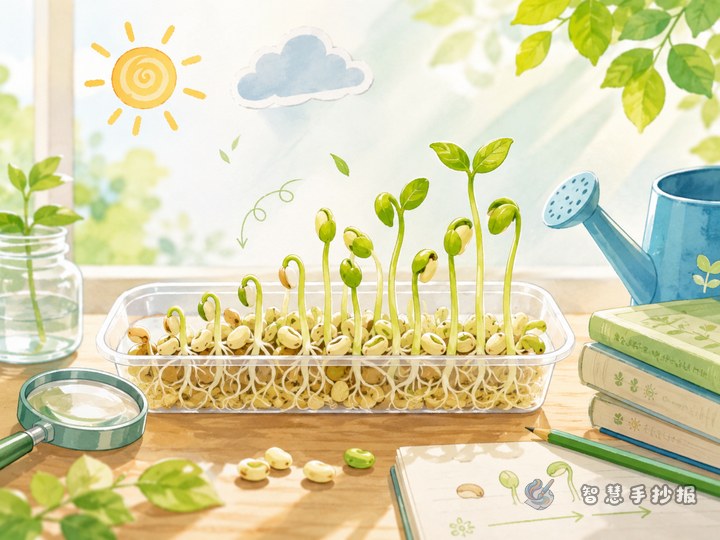
- Wait for sprouting
- Observe daily growth
Short step-by-step writing is clearer than long paragraphs for this kind of page.
4. What we learned from labor
This part can include ideas like patience, teamwork, caring for plants, and valuing food. Personal feelings make the handwritten newspaper feel more genuine.
Short lines students can copy
Simple sentence ideas:
- Our school vegetable garden is a small world for learning through labor.
- A tiny seed begins a long journey of growth in the soil.
- With a little water every day, plants slowly grow taller.
- Planting vegetables teaches us patience and responsibility.
- A green garden makes the campus more beautiful and meaningful.
Plant care reminders:
- Do not step on the garden beds.
- Water on time and do not waste water.
- Pull weeds when needed.
- Care for every young seedling.
Try a layout that looks like a garden map
To make the topic obvious at a glance, the sections do not need to be plain boxes. You can design them like small garden plots. Put the main title at the top center and decorate the page with leaves, vines, fences, shovels, or watering cans.
- Use green, orange, and brown for the title
- Make small sections look like plant labels or garden beds
- Add corners with tomatoes, carrots, corn, or seedlings
- Leave enough blank space so the page does not feel crowded
If there is more text, place the planting steps vertically on one side and the harvest or care notes on the other side for a tidier structure.
Add details that make it feel like school life
The biggest difference between a school garden topic and home planting is the sense of shared work and campus life. Students can mention watering together, observing with a teacher, or class garden areas. These details make both the words and drawings feel more real.
A short slogan in a corner also works well, such as “Plant hope, harvest growth” or “Protect green life from small actions.”
A simple order for finishing the page
- Write the main title first and choose a bright garden style
- Decide on 4 to 6 section names
- Keep each section to 2 to 4 short sentences
- Finish with vegetable drawings, borders, and color
If the topic is ready and you want to improve the layout, title design, or color matching, you can continue creating in the Smart Handwritten Newspaper WeChat mini program.