Start with the growing story
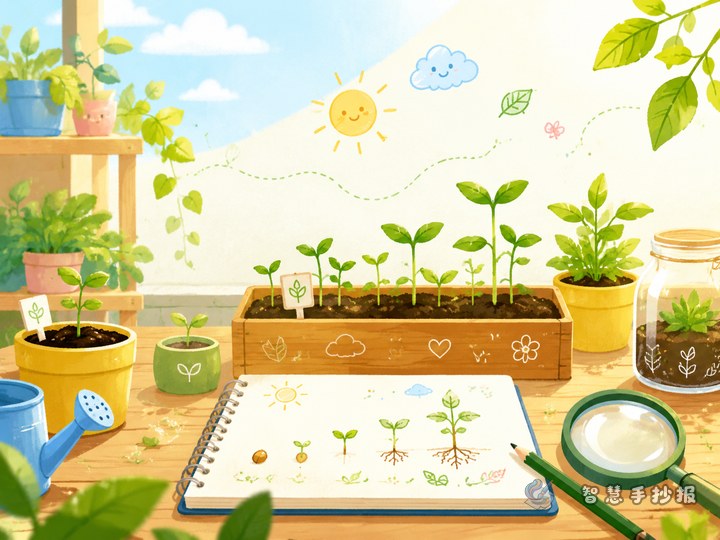
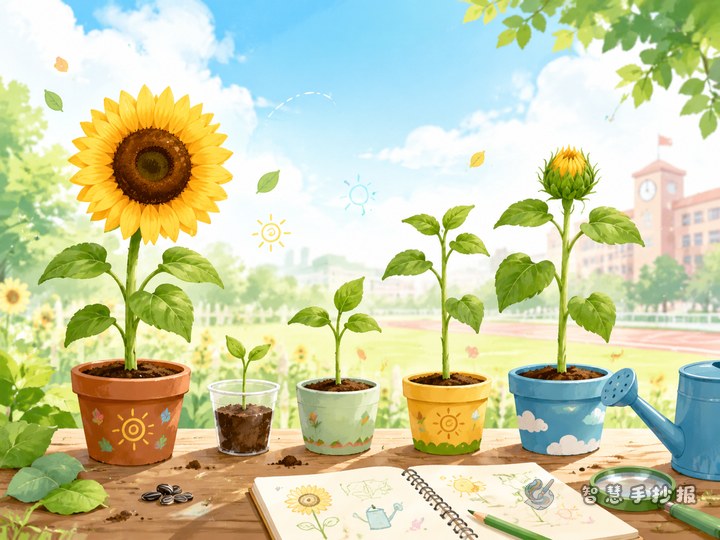
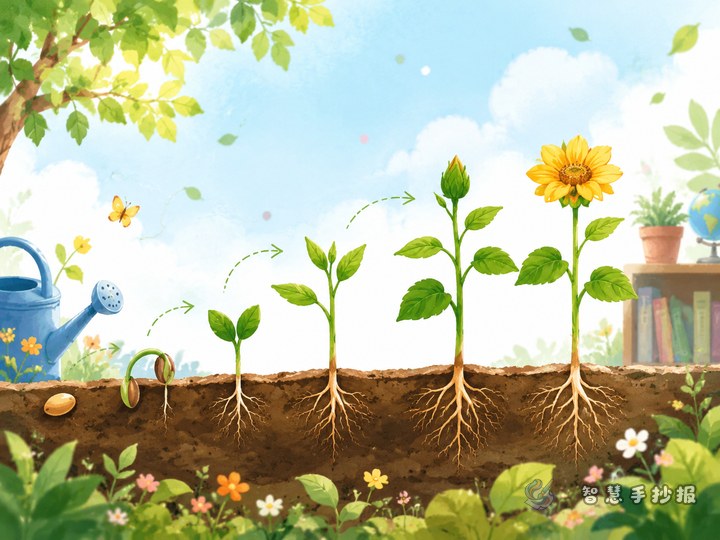
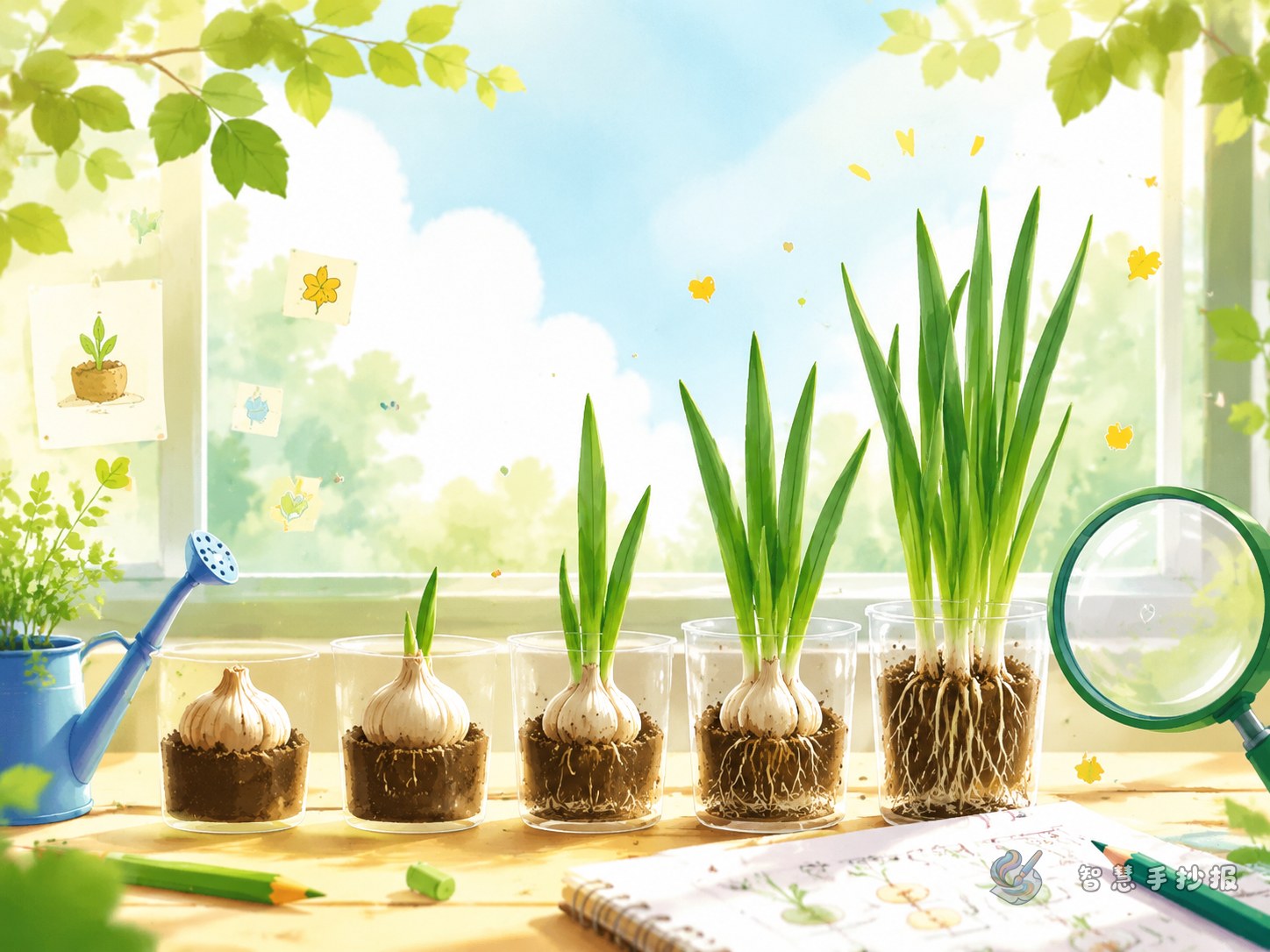
A strong classroom garlic sprout handout should show a clear growth story. Instead of filling the page with only plant facts, build the content around the real planting process in class. This gives the work a natural school gardening feel and helps readers follow each stage easily.
Sections that make the page useful
- Planting setup: what materials were prepared and how the cloves were placed
- Growth timeline: roots, shoots, leaf growth, and daily changes
- Observation notes: short records using time words and simple details
- Care tips: water, sunlight, and keeping the plant healthy
- What we learned: teamwork, patience, and respect for life
Writing ideas students can use
Students can write with simple sentence starters such as “I found that…,” “Today the sprout…,” and “We learned that….” This kind of writing is easy for children and creates a real observation tone. Adding details like color, height, number of leaves, or changes in roots makes the content richer.
Layout ideas for a more lively page
Try a center illustration of garlic sprouts with a timeline around it. You can also divide the page into diary boxes, a care corner, and a small knowledge area. A growth ruler on one side can help show height changes clearly. Green, yellow, and light brown can create a fresh planting theme.
How to make it look like a real school project
Include both process and reflection. A good handout should not only show what garlic sprouts are, but also what students did, observed, and felt. That combination of practice, discovery, and neat page design makes the topic complete. If needed, families and teachers can continue designing the final version in the Smart Handwritten Newspaper WeChat mini program.