Build the Theme Around “From Seed to Flower”
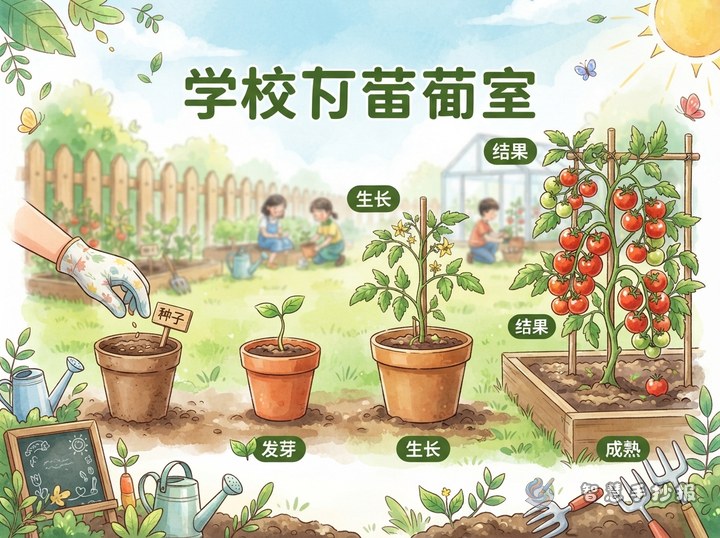
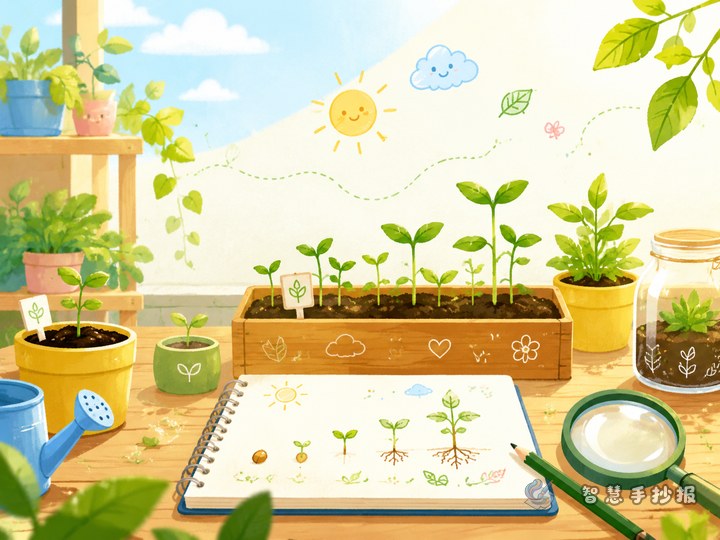
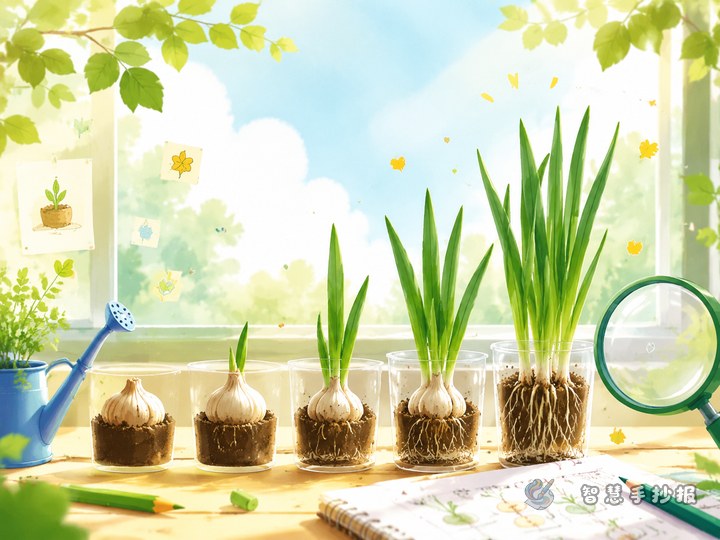
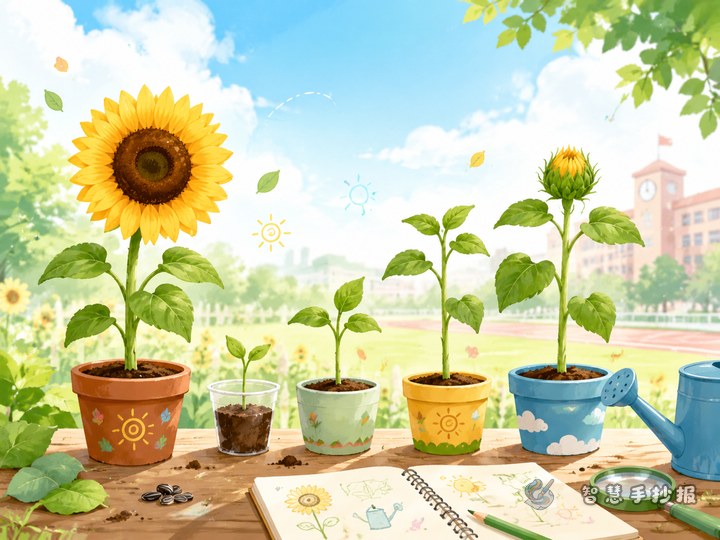
If you want a handwritten newspaper that looks organized and meaningful, focus on the full growth journey of a plant. Compared with a simple plant introduction, this angle gives you a clearer structure and makes the page easier to design for school work. The main title can be “The Life of a Plant,” “From Seed to Flower,” or “A Plant’s Growth Journey.”
Under the title, add a short opening paragraph: a plant begins as a seed, then sprouts, grows roots, stems, and leaves, and finally blooms or bears fruit. It needs sunlight, water, air, and soil at every step. This kind of introduction is short, easy to understand, and fits well on a student page.
Four Content Blocks You Can Use Directly
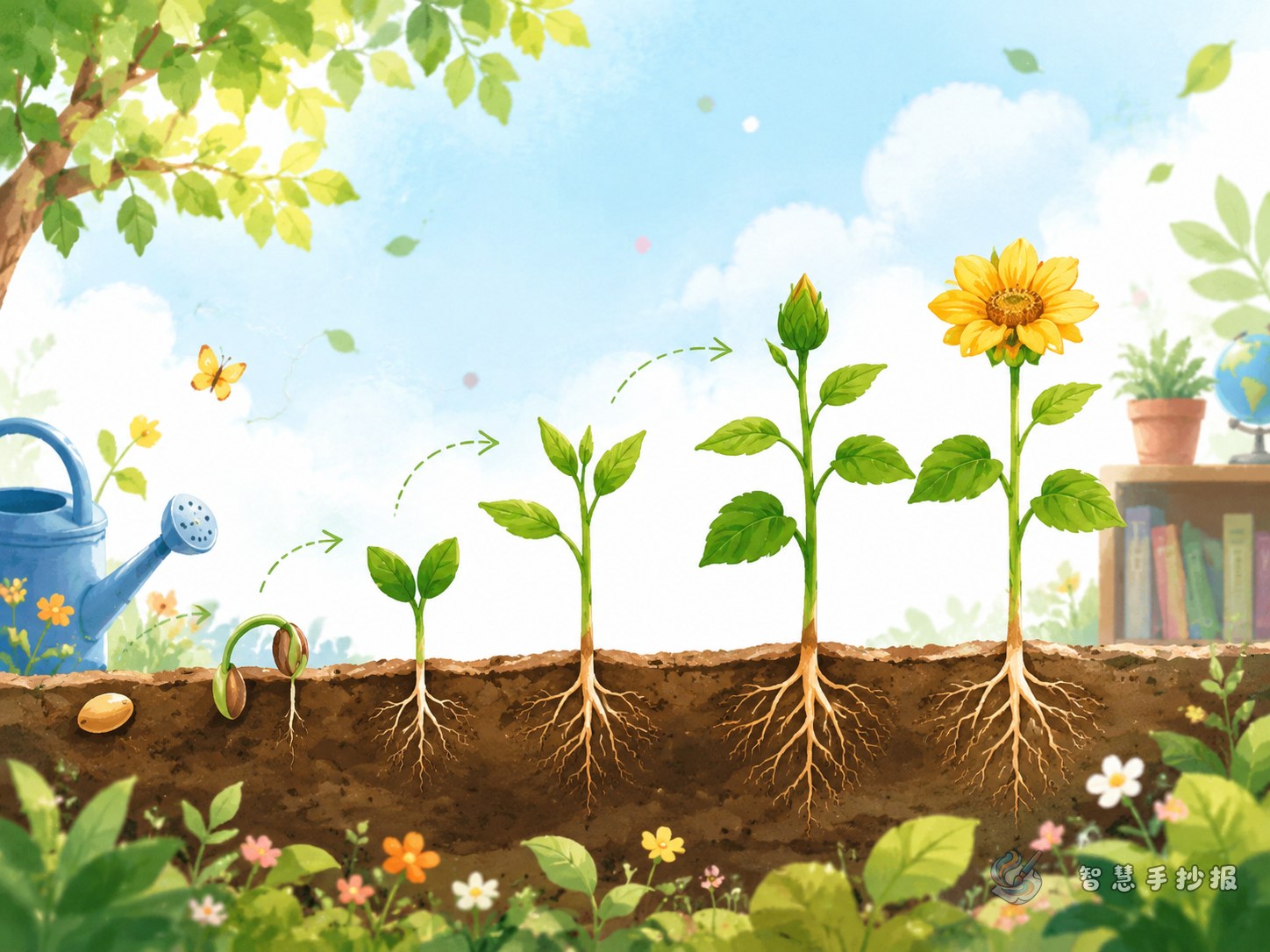
1. Growth Stage Cards
- Seed: small in size but full of life energy.
- Sprouting: after absorbing water, the young root breaks through first.
- Seedling: new leaves appear and photosynthesis begins.
- Mature Plant: stems and leaves grow stronger, then flowers or fruits may appear.
2. What Plants Need to Grow
- Sunlight: helps plants make food.
- Water: supports growth, but too much or too little is not good.
- Air: plants also need air to live and grow.
- Soil: gives nutrients and holds the roots in place.
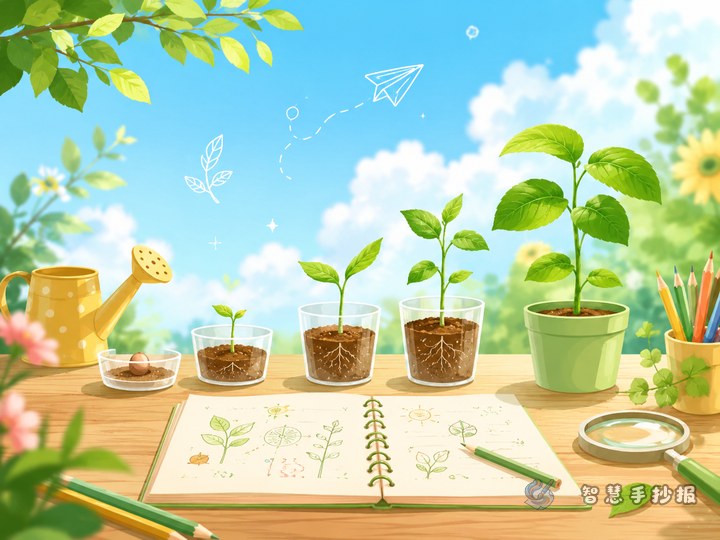
3. Campus Observation Sentences
- Today the seedling is a little taller than yesterday, and its leaves are more open.
- After watering, the soil became moist and the plant looked more lively.
- After several sunny days, the leaves turned a brighter green.
4. Feelings About Planting and Care
You can write that planting helped you understand both plant growth and the importance of patience, care, and persistence. Small daily observations help us notice big changes over time.
Try a Timeline Layout Instead of Equal Boxes
This topic works especially well with a timeline design. Place the growth journey across the center of the page, from left to right or top to bottom, showing seed, sprout, seedling, and flowering stages. Add a short explanation beside each stage to make the page easy to follow.
In the four corners, you can place small knowledge cards such as “What Roots Do,” “Why Leaves Matter,” “My Favorite Plant,” or “Campus Planting Tips.” This makes the page richer without looking crowded.
For borders, use vines, leaves, flowers, watering cans, or pots. Keep decorations light so the main text still feels easy to read.
Colors and Drawings That Match a School Planting Theme
Use green as the main color, with light yellow and sky blue as support colors. Green shows freshness and growth, yellow brightens the title, and blue works well for sky or note backgrounds. The drawings do not need to be complicated. Simple seedlings, pots, suns, and clouds are enough to complete the page.
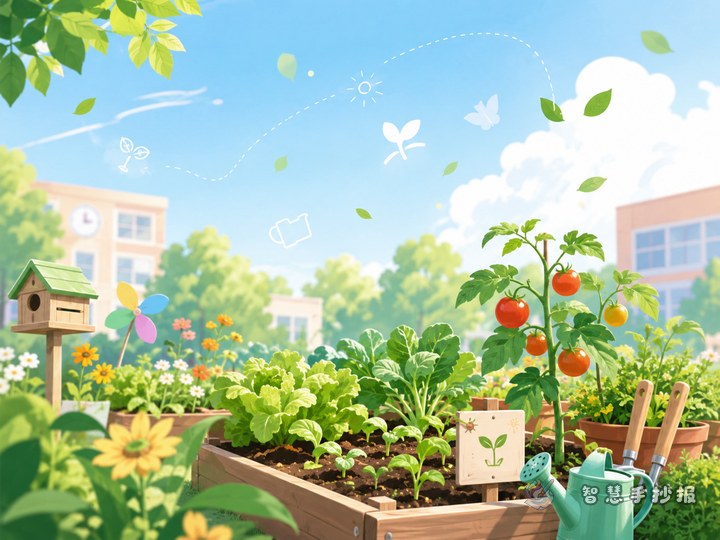
If you want a stronger campus feeling, add small icons such as a classroom blackboard, garden tools, desks, or a planting corner. These details help connect the page to school life.
A Good Ending Line for the Page
The ending does not need to be long. You can write a simple summary like: plants need time to grow, and so do we. We all need sunshine, effort, and patience. A line like this works well at the bottom of the page and gives the work a warm final touch.
If you already have your theme but still want to improve the layout, colors, and text arrangement, you can continue designing in the Smart Handwritten Newspaper WeChat mini program.