Theme Positioning: Highlight the Uniqueness of Personal Observation
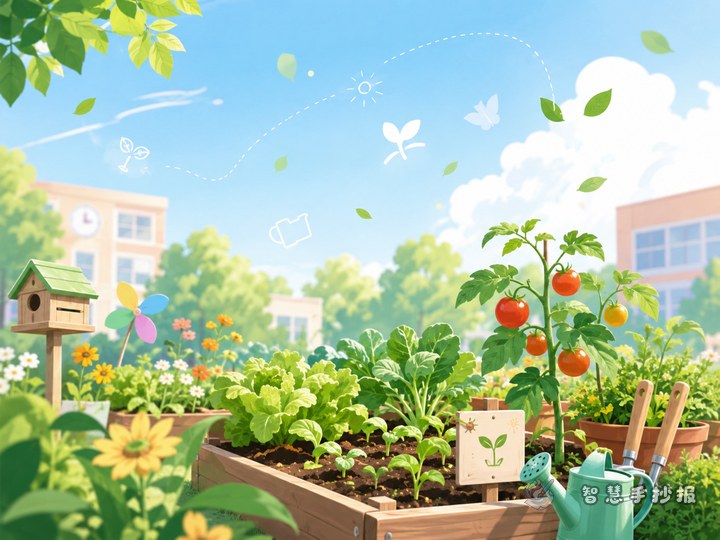
When making this type of handwritten newspaper, do not copy generic plant popular science knowledge. Create content based on the real situation of your own class plant corner, such as whether you grow tomatoes or mint, if you have encountered pest problems, and who is responsible for watering every week. The core should reflect "my observation record" rather than stereotyped plant introductions.
Recommended Must-have Sections
- Plant File: Write down the plant name, planting date, members of the class care team, and you can also note the exclusive nickname you gave the plant
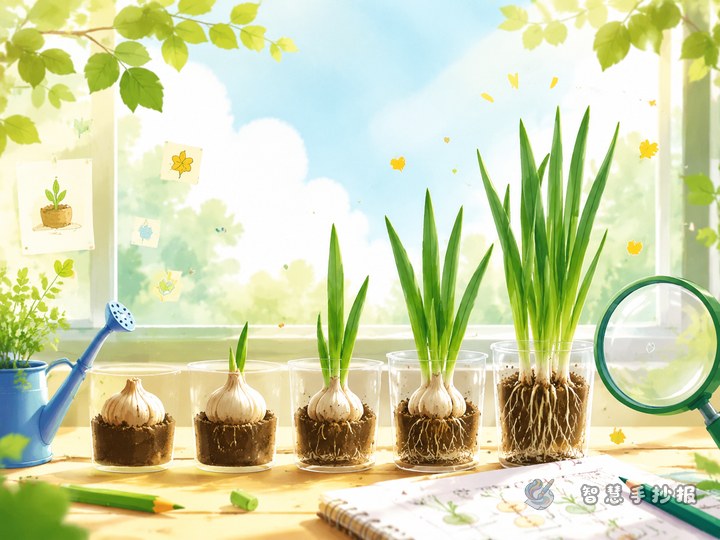
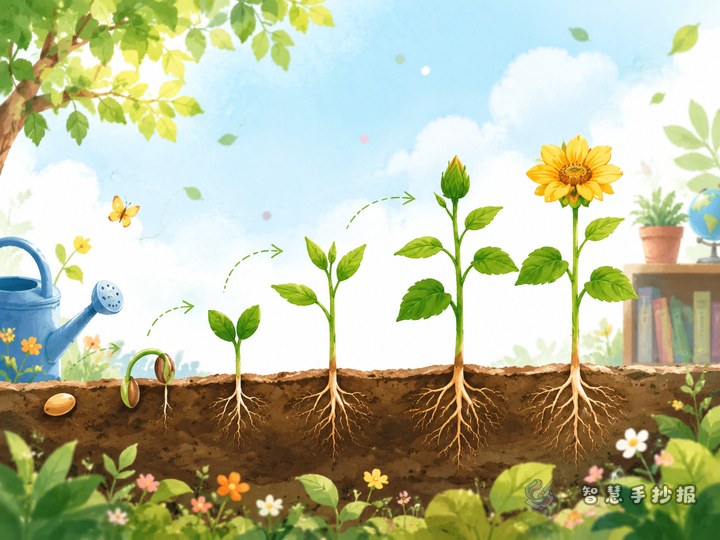
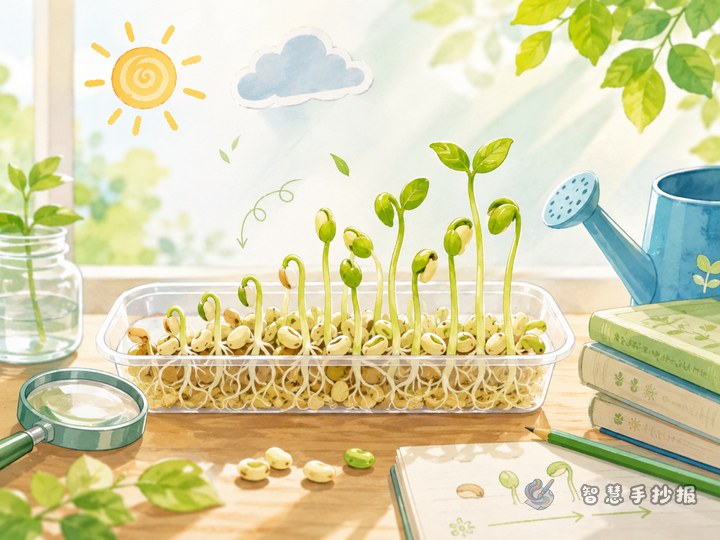
- Observation Diary Excerpts: Select 3-4 key time points, such as germination day, first true leaf growth day, flowering day, and match the short feelings you wrote at that time
- Fun Care Stories: Record small episodes in the planting process, such as who forgot to water the plant and how everyone rescued it, or the scene when the whole class gathered around to watch the first small fruit grow
- My Gains: Write down the small knowledge you learned from planting, such as real insights like plants need sunlight to grow and you should not water too much
Layout Design Tips
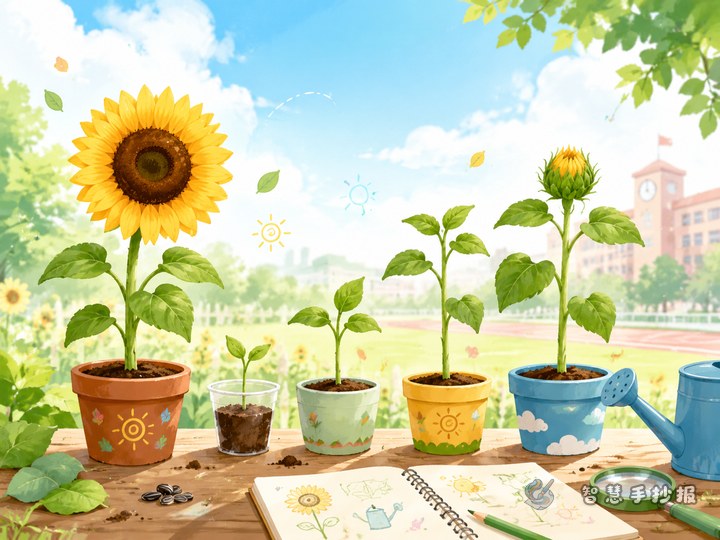
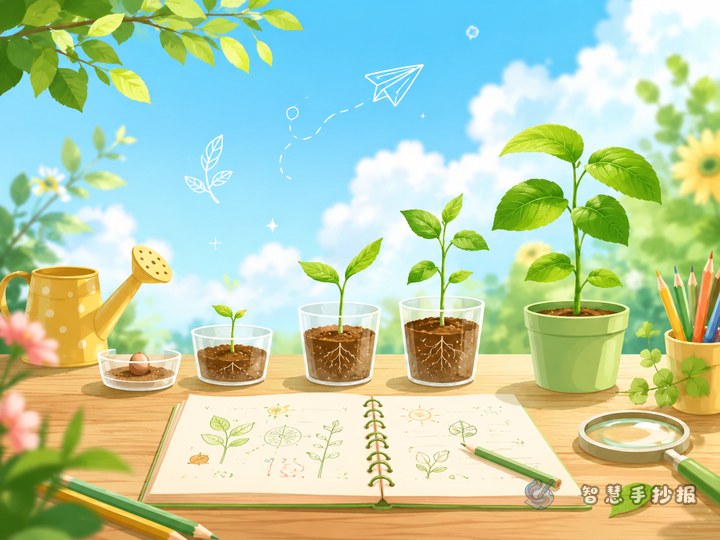
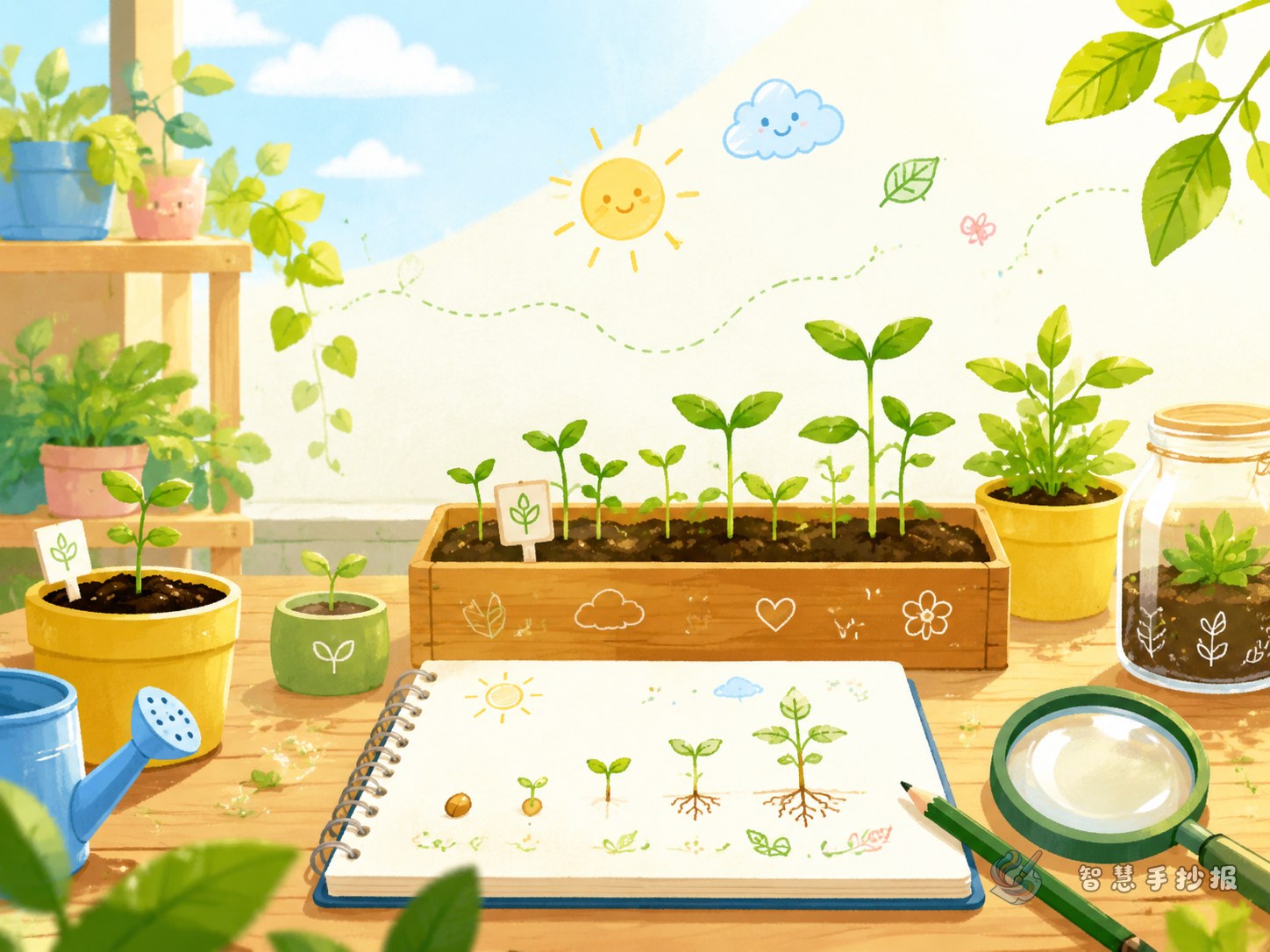
You can draw the real scene of your class plant corner as the main visual of the layout, such as flower pots on the windowsill, plus simple drawings of classmates watering the plant. Use small leaves or flowers as nodes for the timeline, and draw borders of text areas into the shape of vines or leaves. Choose fresh colors like tender green and goose yellow, and avoid using too bright color blocks that cover the text.
Easy Production Hacks
If you are short on time or cannot draw complex decorations, you can go to the Smart Handwritten Newspaper WeChat Mini Program to find ready-made planting theme borders and decorative elements. Just fill in your own observation content after applying the templates. Lower grade students can ask parents to help print the text draft, and then color and draw small illustrations by themselves to save production time.