Start with a clear angle: connect architecture and landscape
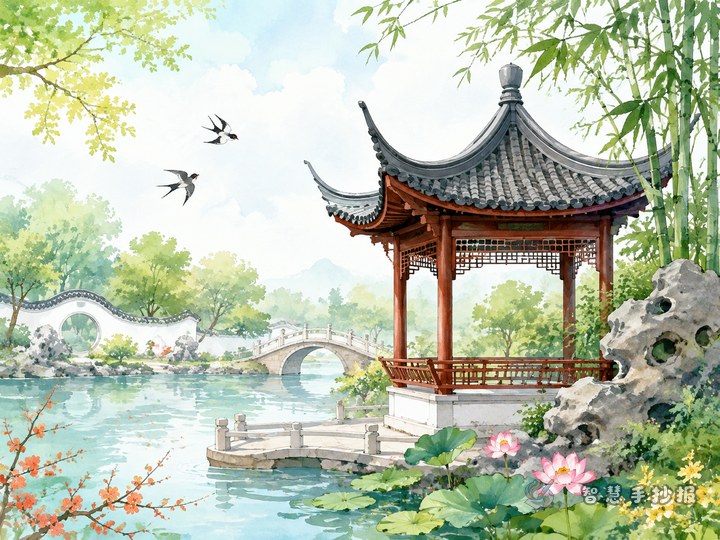
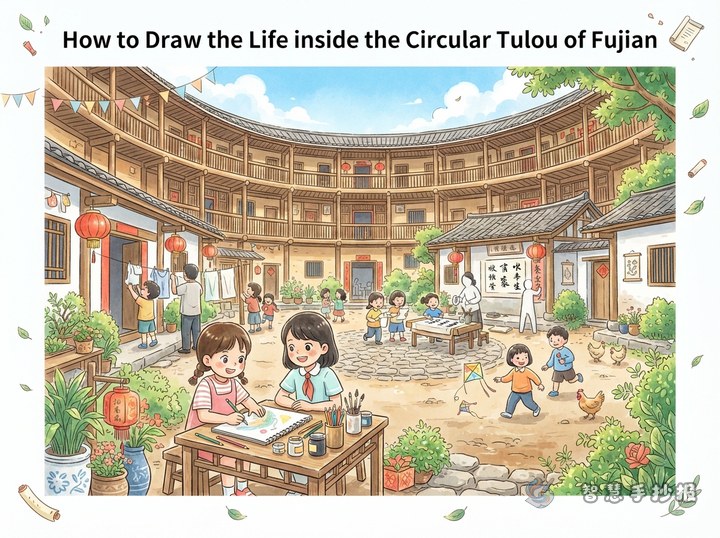
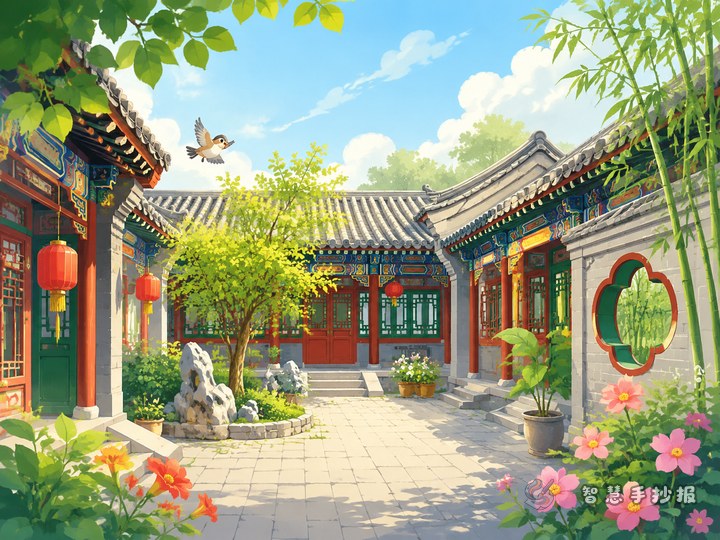
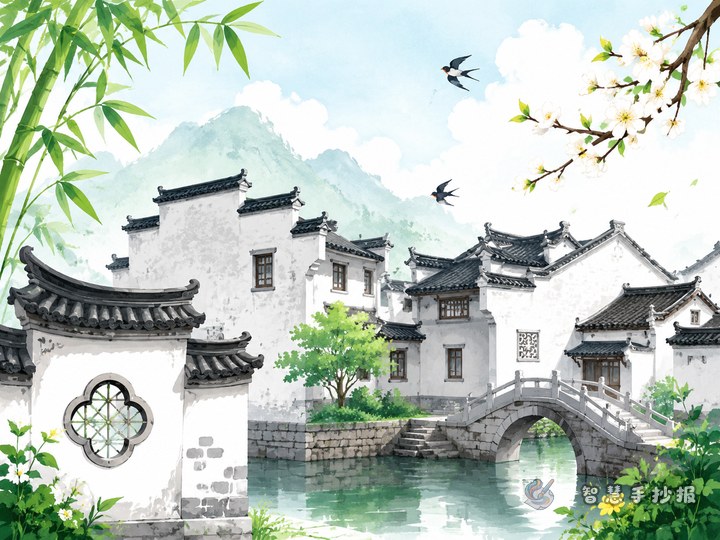
An Imperial Garden themed poster about the Summer Palace works best when it combines traditional buildings, water scenery, garden design, and cultural meaning. Instead of listing places only, students can choose a theme such as “The Beauty of the Summer Palace,” “Traditional Architecture in an Imperial Garden,” or “A Walk Through the Summer Palace.” This makes the page feel organized and easy to complete.
If the page is large, divide it into two sides: architecture on one side and landscape on the other. If the page is small, use a travel route such as Long Corridor, Kunming Lake, Longevity Hill, and the Tower of Buddhist Incense.
Useful sections students can write directly
Section 1: A short introduction
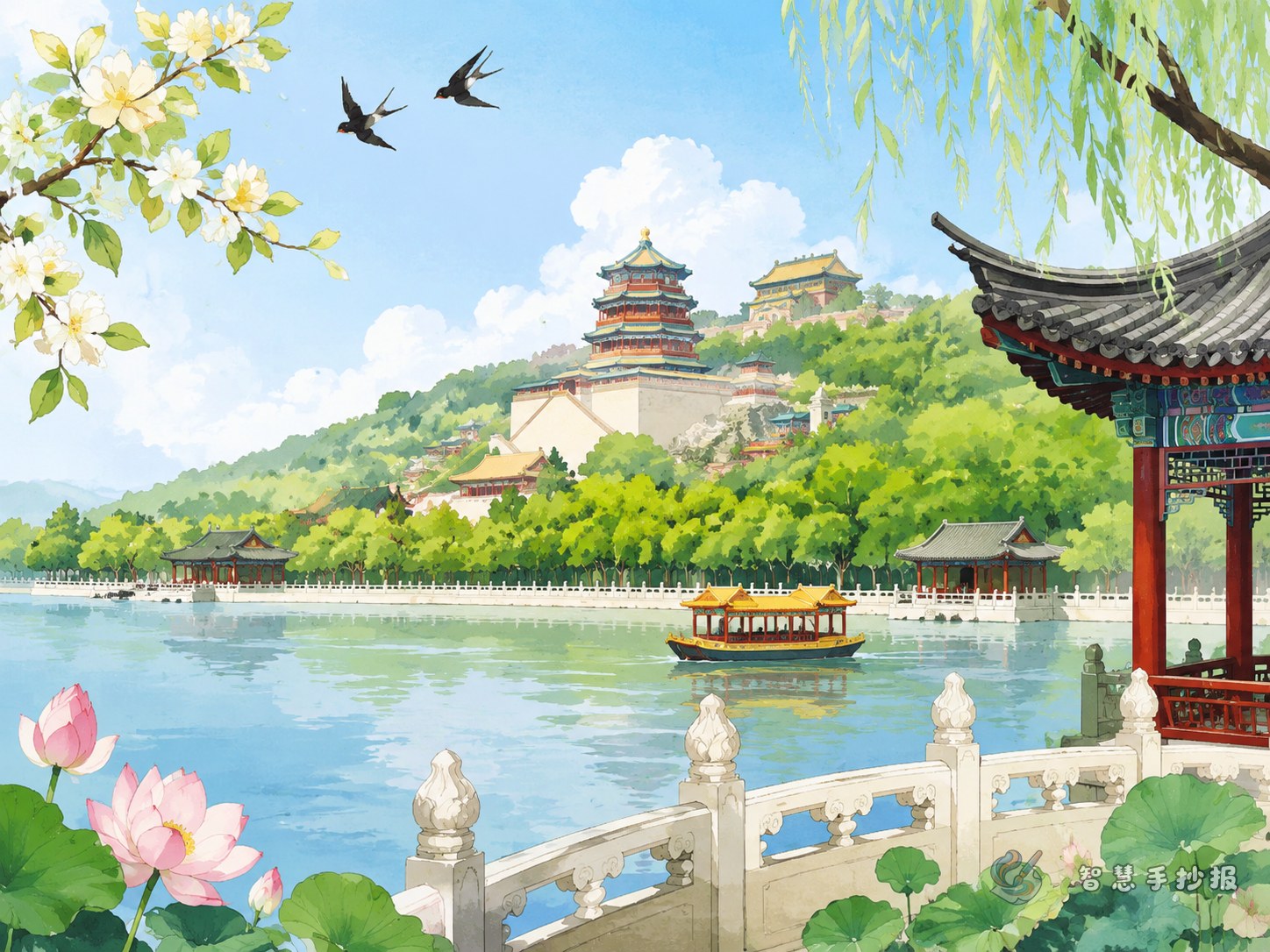
The Summer Palace is a famous imperial garden in China. It combines hills, water, bridges, halls, and pavilions in one grand landscape. It shows how traditional Chinese gardens value balance, borrowed scenery, layered views, and poetic beauty.
Section 2: My favorite building
Students can introduce landmarks such as the Tower of Buddhist Incense, the Long Corridor, the Seventeen-Arch Bridge, or Paiyun Hall. Sample lines: The Tower of Buddhist Incense stands high on the hill and looks both grand and elegant. The Long Corridor is colorful and full of painted details. The Seventeen-Arch Bridge stretches across the water like a rainbow.
Section 3: Garden features
- Mountains and water are arranged together
- Buildings match the natural scenery
- Bridges, corridors, pavilions, and halls all have different styles
- The scenery changes step by step as you move through the garden
Section 4: What I learned
Making this poster helps students understand that a traditional garden is not only beautiful, but also full of planning, art, and cultural meaning. It reflects the wisdom of ancient builders and reminds us to protect historic architecture.
How to design the layout
Place the title at the top center and use a neat, slightly classic style. Good colors include green, lake blue, light brown, and red. These shades match both gardens and traditional Chinese buildings. A practical layout is one big title in the center with four smaller sections around it.
- Left side: introduction and background
- Right side: key buildings
- Bottom area: lake, bridge, and hill scenery
- Empty spaces: cloud patterns, window frames, lotus leaves, or wave lines
Students can also add a border inspired by the Long Corridor or a simple bridge outline, but the drawing should stay light so the writing remains clear.
Title ideas and short phrases
- Walking into the Summer Palace
- The Beauty of a Chinese Imperial Garden
- Ancient Buildings by the Water
- Discovering Traditional Garden Culture
A short reflection can also improve the poster, such as: The Summer Palace shows how architecture and nature can become one beautiful picture. This kind of sentence adds both meaning and personal expression.
Easy ways to make the poster stand out
- Do not make every section long. Mix short and medium paragraphs.
- Include at least one building section and one cultural reflection section.
- Simple drawings like a pavilion, bridge, lotus leaves, or water lines are enough.
- Use different colors for headings, but keep body text neat and consistent.
- Draft the layout first, then copy it neatly onto the final page.
If you want more layout ideas, ready-to-use wording, or a faster way to continue your design, you can explore Zhihui Shouchaobao on WeChat Mini Program for further poster making support.