Start with a theme that feels vivid
A Xiaoman handout does not need to sound like a stiff textbook entry. A better direction is to build it around ripening grain, increasing rain, and the idea of almost full but not fully ripe. Good titles include “Xiaoman in the 24 Solar Terms,” “Why Is It Called Xiaoman?” or “Field Stories in the Xiaoman Season.” This makes the topic easier for children to understand and write about.
A simple four-part layout works well
- Solar term facts: Explain when Xiaoman arrives, what the name means, and its weather features.
- Folk customs and farming: Include customs related to water wheels, silkworm care, mulberry leaves, wheat growth, and rice planting.
- Poems and short lines: Add a few brief verses or seasonal phrases.
- My seasonal observations: Write about rain, plants, fields, or changes seen around school and home.
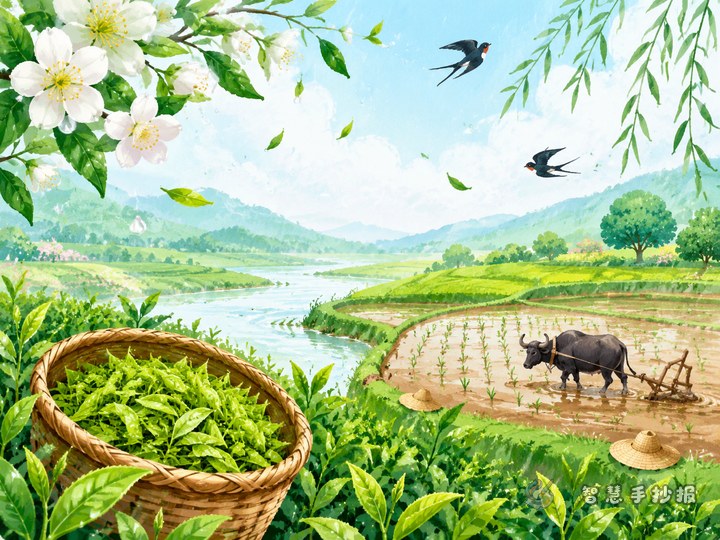
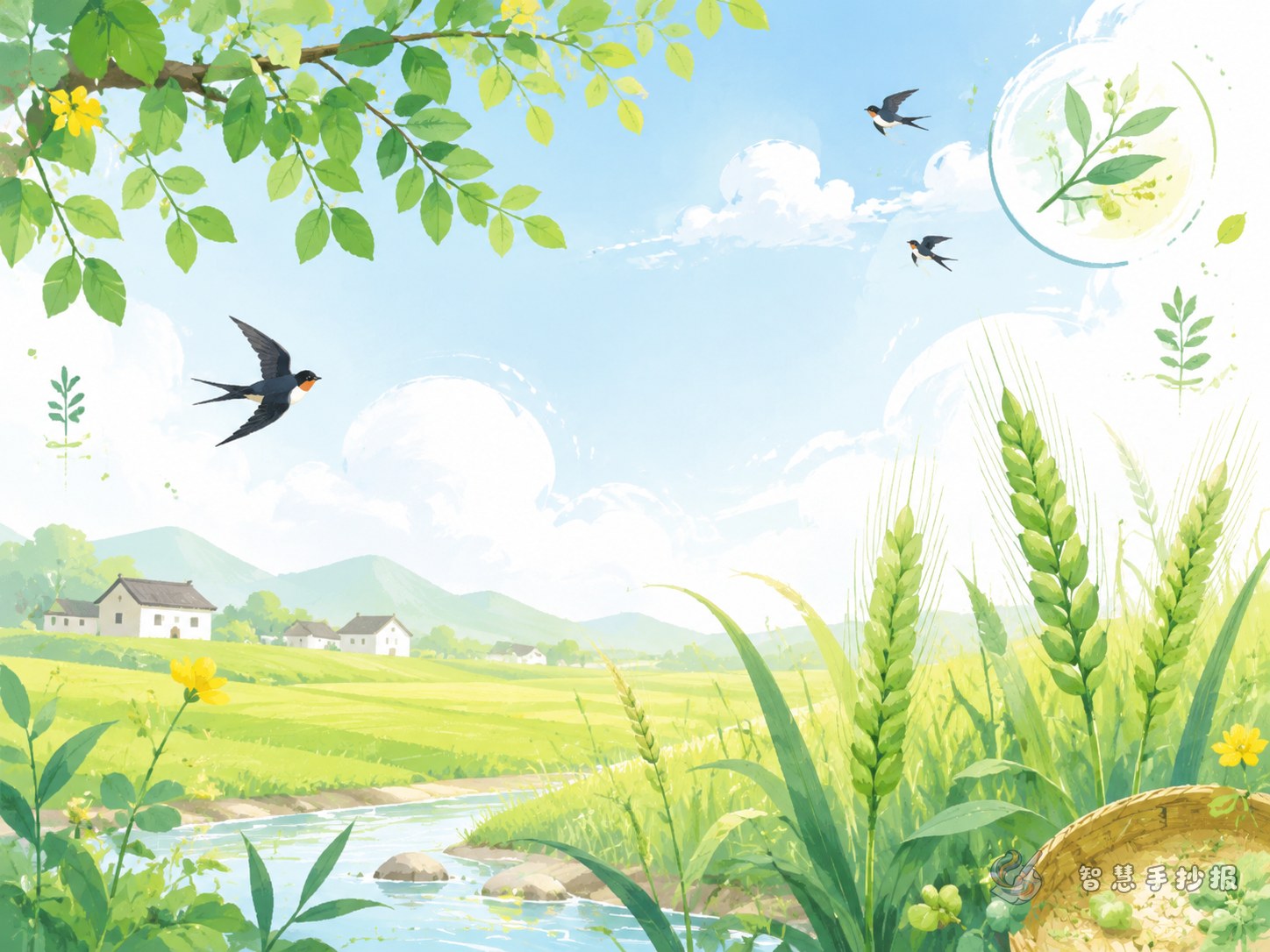
You can place a bunch of wheat or a rice field in the center, then decorate the edges with raindrops, mulberry leaves, dragonflies, and clouds.
Ready-to-use writing material
1. A short introduction to Xiaoman
Xiaoman is the eighth of the 24 solar terms and usually arrives in late May. At this time, summer crops such as wheat begin to fill out, but they are not fully ripe yet. That is why it is called Xiaoman, meaning “small fullness.” The name shows both growth and expectation.
2. Folk customs for Xiaoman
During Xiaoman, people in different places pay close attention to farming and harvest hopes. Some customs are connected with irrigation and water wheels, while others focus on raising silkworms and picking mulberry leaves. These traditions reflect the wisdom of following the season and respecting labor.
3. Farming scenes in this season
Around Xiaoman, temperatures rise and rainfall gradually increases. Wheat becomes fuller, and rice fields enter a busy management stage. Students can also observe seasonal change in daily life, such as greener trees, faster plant growth, and warmer weather after rain.
4. Short lines for a handout
- Xiaoman is not fully full, and that is its beauty.
- Golden wheat grows brighter in the field.
- Follow the season and cherish the fruits of labor.
- Each solar term holds a piece of Chinese wisdom.
How to make it feel more traditional
Do not stop at basic definitions. Explain customs with one or two clear sentences, then match them with simple drawings. You can also add a personal section such as “What I notice during Xiaoman,” including warmer days, stronger rain, and greener plants. This helps connect folk culture with everyday life.
Keep the colors fresh and clean
Green, light yellow, and blue fit Xiaoman well. Rounded title lettering can create a soft early-summer mood. Use wheat, raindrops, mulberry leaves, sunshine, or little frogs as decorations. Leave enough blank space so the page looks neat. If you want to continue arranging sections and polishing the design, you can also use the Zhihui Shouchaobao WeChat mini program for your handout.