
Begin with a Clear Discovery Trail
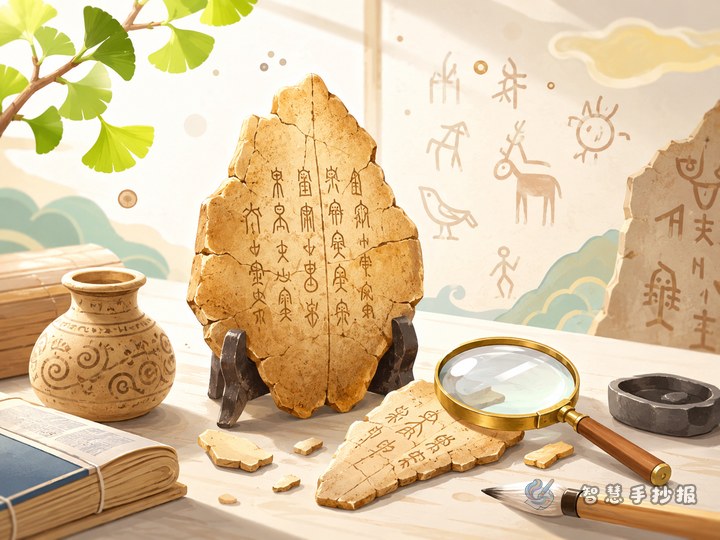
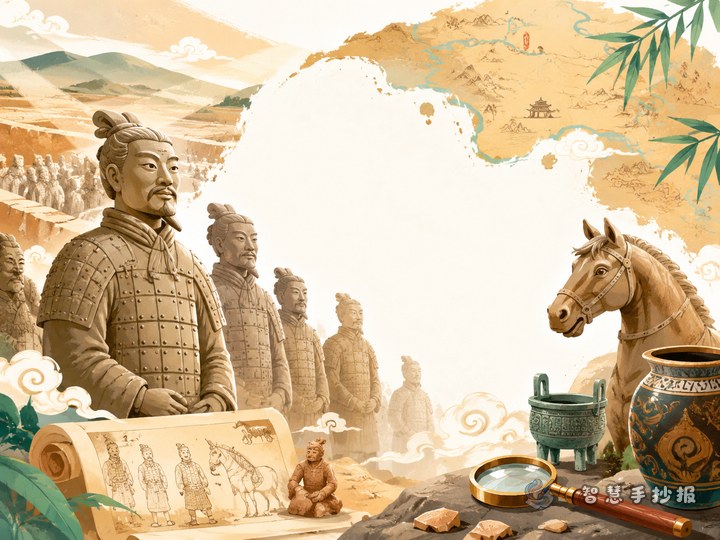
This handwritten newspaper can follow the story of how a museum object was discovered. A title such as “From the Ground to the Display Case: The Journey of an Artifact” creates a strong focus. Open with a question: how does an ancient object reach a museum? Then explain the stages of discovery, cleaning, research, and display so the page feels like a story instead of a list of objects.
Four Sections for the Artifact’s Journey
- Discovery Site: Explain how researchers find remains and artifacts through surveys, excavation, or careful sorting. Emphasize patience and accurate records.
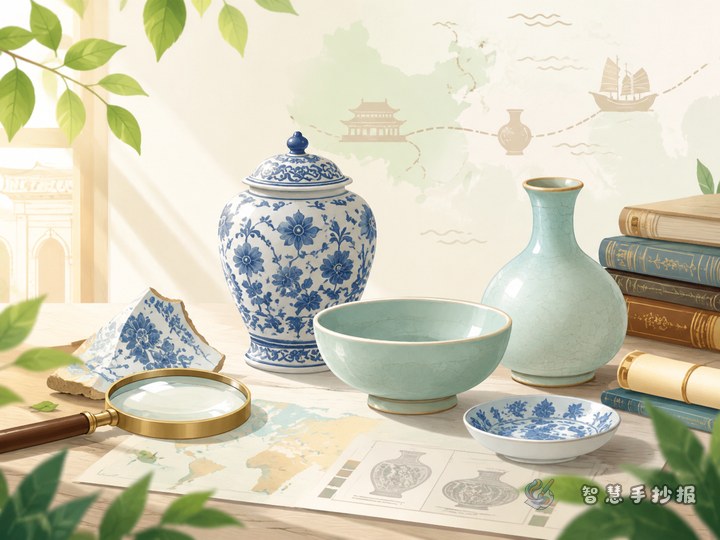
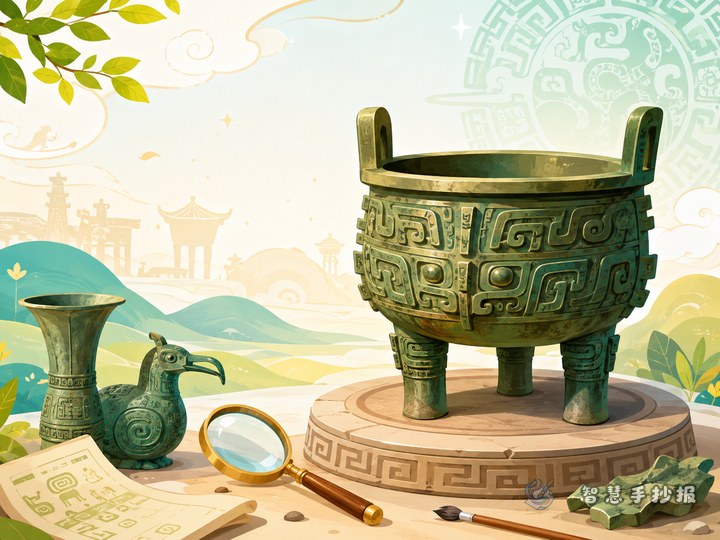
- Artifact File: Choose one suitable object and introduce its name, material, appearance, historical period, and possible use.
- Research Clues: Describe how patterns, writing, craftsmanship, and the place of discovery help researchers understand the past.
- Beyond the Display Case: Explain how museums preserve, display, and interpret artifacts. Include visitor rules such as no touching, climbing, or flash photography.
If you are unsure about a specific name or date, use a general description such as “an ancient pottery vessel” or “an old coin” instead of adding uncertain historical details.
Ready-to-Use Writing Material
Opening line: “Artifacts are not silent old objects. They preserve traces of human life, and every discovery is a meeting with history.”
Fact box: “Archaeologists record an artifact’s location, soil layer, and surroundings because these details can help reveal its age and purpose.”
Protection message: “Protecting artifacts begins with respecting exhibits. Visiting a museum begins with reading quietly.”
For the ending, write a personal reflection such as: “When I stand before a display case, I see more than an object. I see the wisdom of earlier people and our responsibility to protect history.”
Use a Timeline to Shape the Page
A horizontal or diagonal timeline can connect “discovery → cleaning → research → display.” Place the title and small magnifying-glass or tool drawings in the upper-left area. Put the artifact file in the center, research clues on one side, and the protection message on the other. Leave a reflection area at the bottom. Earth yellow, brick red, blue green, and light cream can suggest an archaeological site and a museum display, while light backgrounds keep the writing easy to read.
Three Finishing Reminders
- Make the title noticeable and keep each paragraph to two or three sentences.
- Use simple outlines, patterns, or close-up details for the artifact drawing instead of trying to create a highly realistic picture.
- Check names, dates, and captions before finishing. When unsure, use a careful general statement.
After choosing the theme and sections, open the WeChat mini program 智慧手抄报 to continue arranging the content into a complete handwritten newspaper.