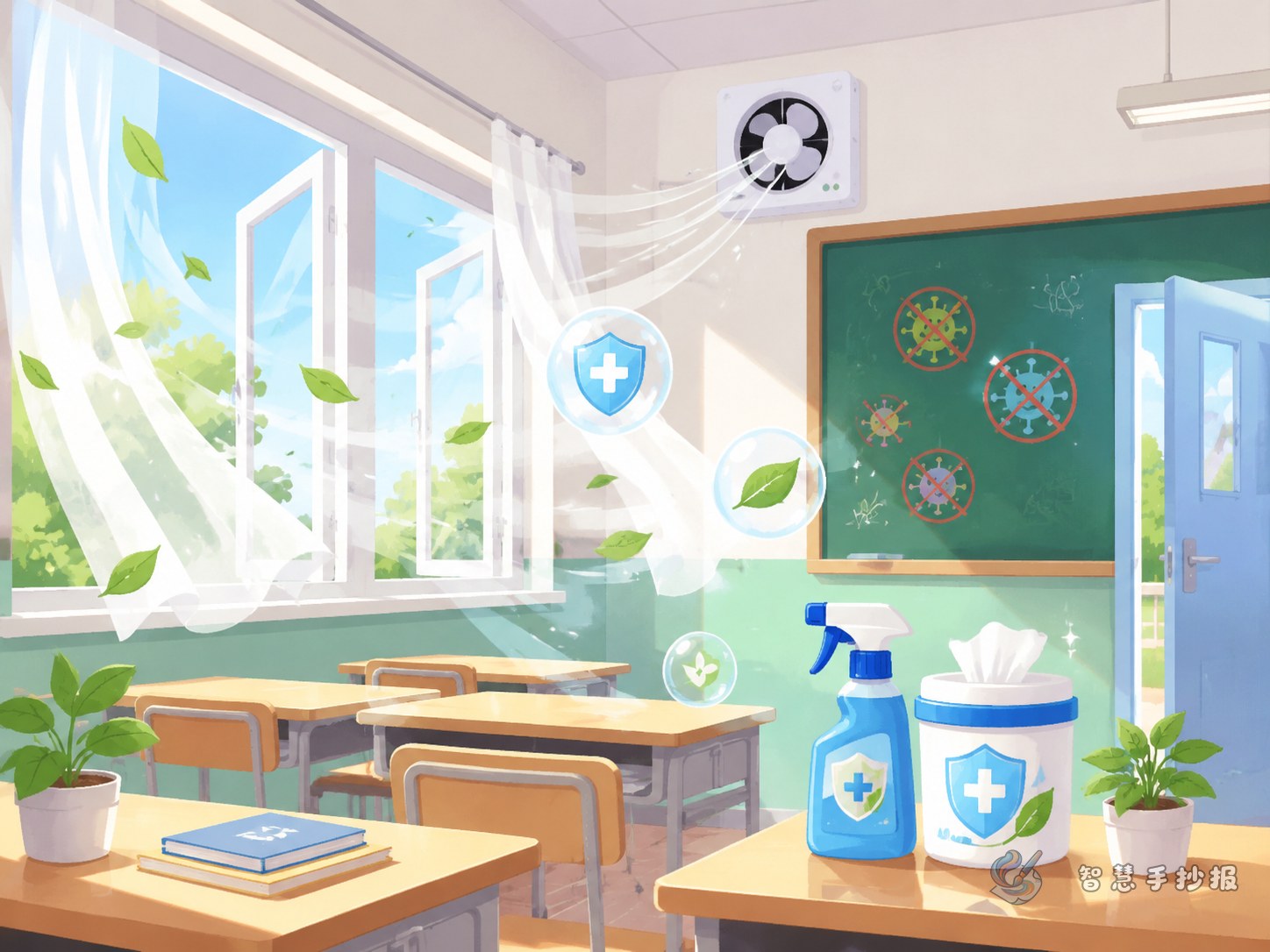
Start with a clear focus: why choose classroom disinfection and ventilation
If you want a school hygiene poster to feel practical instead of vague, narrow the topic to how a classroom is ventilated, how shared surfaces are cleaned, and how students can support daily hygiene. This makes the poster easier for children to understand and easier for parents and teachers to guide.
You can use a simple main title such as “Classroom Disinfection and Ventilation Poster” and add a subtitle like “Keeping Our Classroom Healthy.” This makes the theme clear at first glance and fits class display boards or homework tasks.
Four sections that work well on the page
1. Ventilation reminders
- Open windows during breaks to let fresh air in.
- When weather allows, ventilate in the morning and again later in the day.
- Stay safe near windows and do not push or climb.
2. How classroom cleaning helps
- Frequently touched areas like desks, doorknobs, and the teacher’s desk should be cleaned regularly.
- Cleaning tools such as cloths and buckets should be used properly.
- Trash should be removed in time so paper scraps and food waste do not pile up.
3. Personal habits matter too
- Cover your mouth and nose when coughing or sneezing.
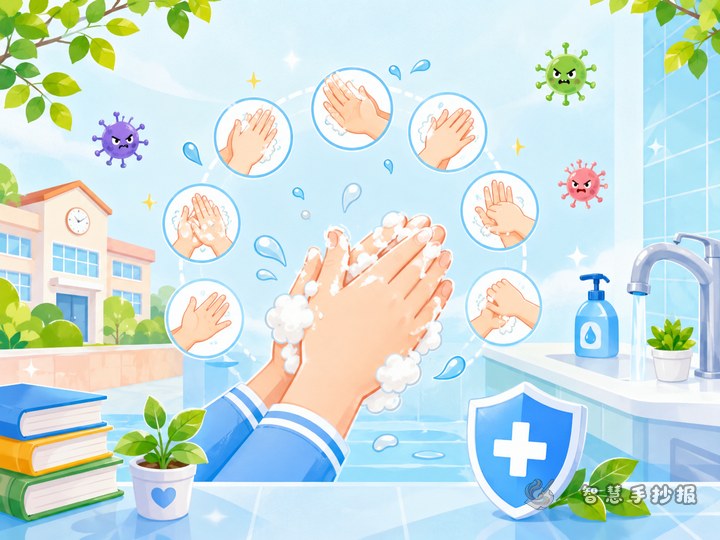
- Wash hands before meals, after using the restroom, and after touching shared items.
- Do not share cups, towels, or other personal items.
4. What to do if someone feels unwell
- Tell a teacher and parent if there is fever, vomiting, or stomach discomfort.
- Rest when feeling sick instead of forcing participation in group activities.
- Follow school and family advice for medical care.
Ready-to-use text for the poster
You do not need long paragraphs. Short, clear lines are easier to read on a poster. These examples work well for primary school students:
- Slogan: Open windows, wash hands, keep our classroom healthy together.
- Reminder: A clean classroom is a shared learning space for everyone.
- Fact line: Good ventilation and regular cleaning can help reduce the spread of germs.
- Call to action: Start with a tidy desk, clean hands, and proper waste disposal.
If you still have space, add a small checklist such as: keep my desk neat, throw trash away, wash hands carefully, bring tissues, and remind classmates kindly.
Keep the layout neat and fresh
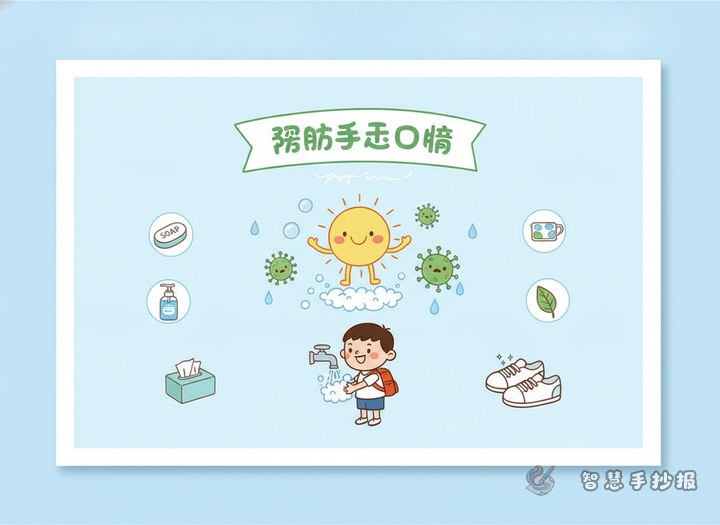
This topic looks best with a clean and organized layout. Put the title at the top center, then decorate with small drawings like windows, soap bubbles, masks, spray bottles, or student helpers. Divide the middle into two parts: one for ventilation tips and one for cleaning and hygiene habits. Use the bottom area for a class hygiene promise or a daily checklist.
Soft blue, light green, and pale yellow are good color choices because they feel bright and clean. Avoid making the page too crowded. Simple drawings of students opening windows, cleaning desks, or washing hands can make the poster feel more like real school life.
How to make it feel useful for school
To make the poster feel closer to everyday campus life, include specific moments such as checking classroom cleanliness after morning arrival, wiping shared surfaces during duty time, and keeping the room tidy before lunch or dismissal. These details make the content more believable and more helpful in school settings.
After you finish your text and layout idea, you can also continue organizing your design in the Zhihui Shouchaobao WeChat mini program for cleaner arrangement, title inspiration, and matching colors.