Focus on community publicity, not only on waste facts
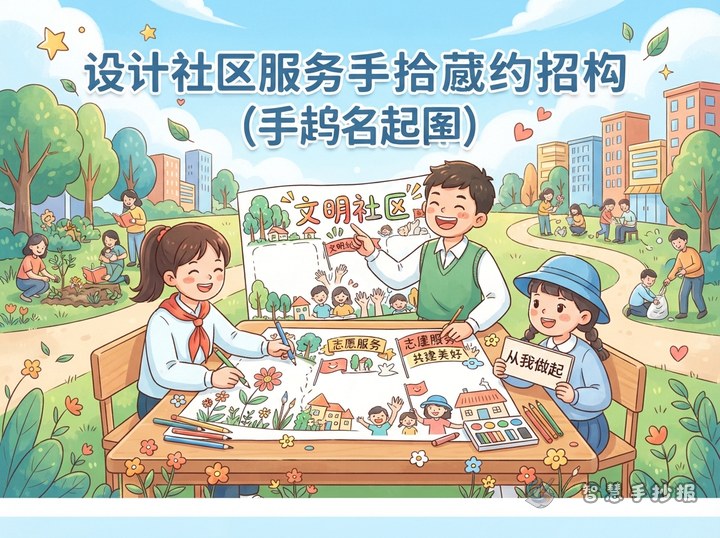
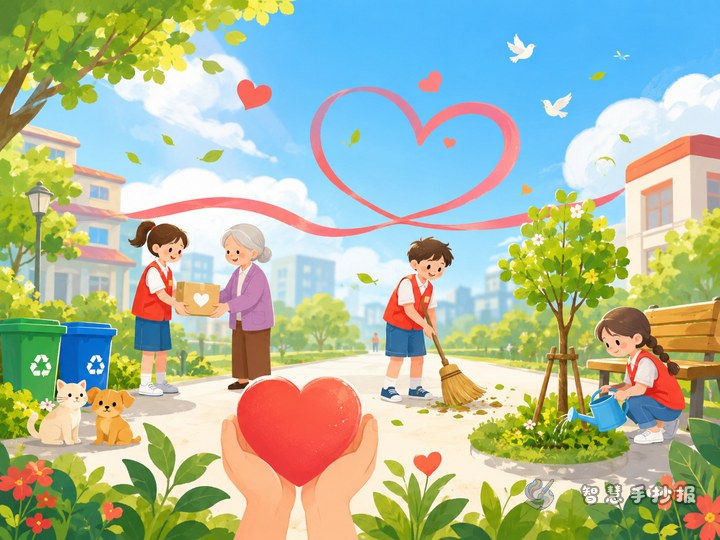
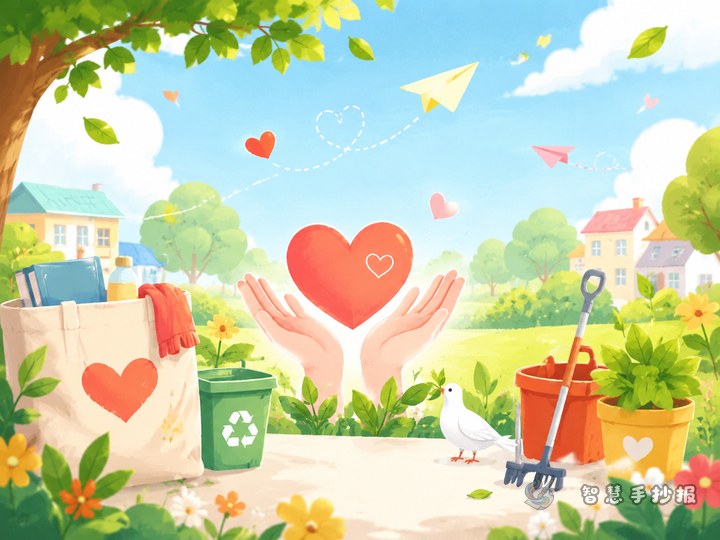
This kind of handwritten newspaper should not stop at explaining what waste sorting is. Its real highlight is community volunteer action. You can present the theme as volunteers entering the neighborhood, teaching residents how to sort waste correctly and helping build cleaner public spaces. That makes the poster feel more active and more connected to public service.
For the title, choose something simple and lively, such as “Sorting Comes to Our Community,” “Volunteers for Green Living,” or “Let’s Sort Waste Together.” A short subtitle like “Start with Me” or “Build a Cleaner Neighborhood” can make the theme more complete.
Best content blocks to include
1. Basic waste sorting knowledge
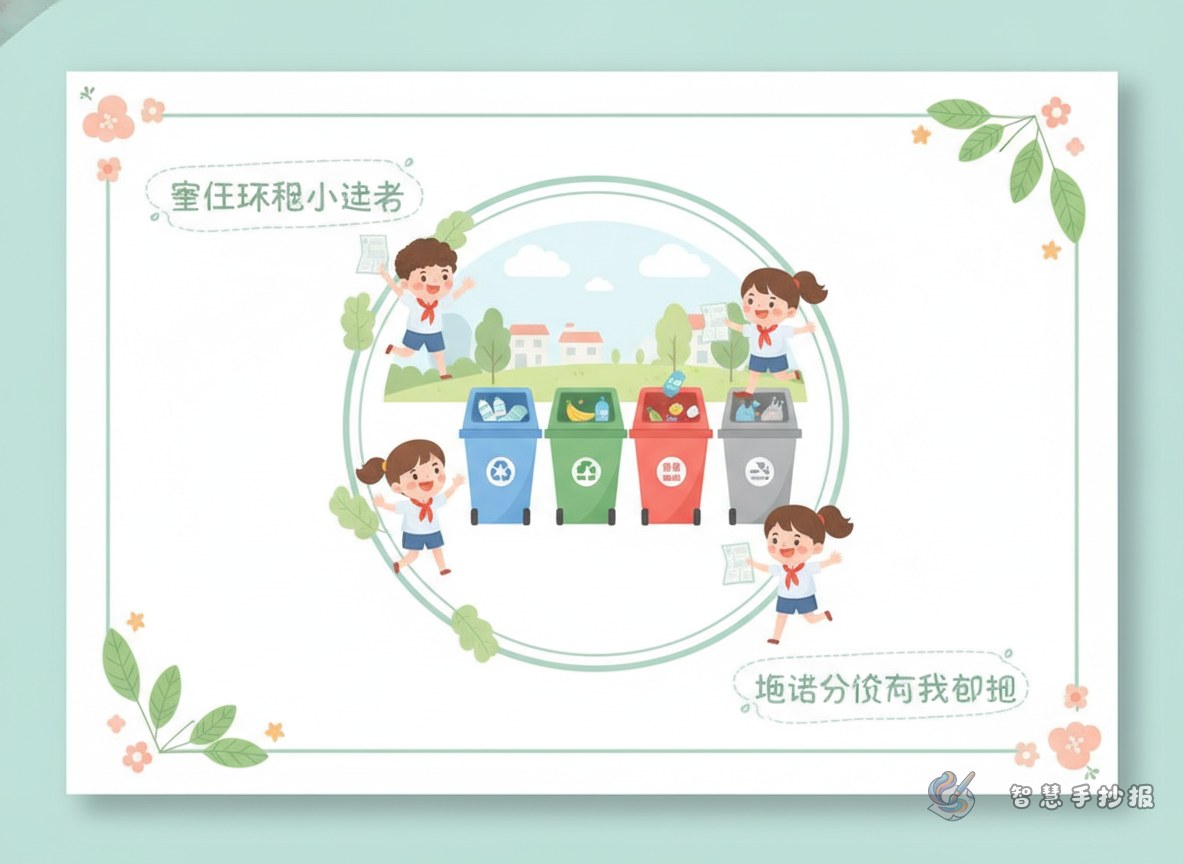
- Recyclables: paper, bottles, metal, newspapers, and similar items.
- Kitchen waste: leftovers, fruit peels, vegetables, and food scraps.
- Hazardous waste: batteries, expired medicine, and used light tubes.
- Other waste: items that do not fit the categories above.
2. What volunteers do in the community
- Explain sorting rules in public areas.
- Guide residents to use the correct bins.
- Encourage cleaner habits and less waste.
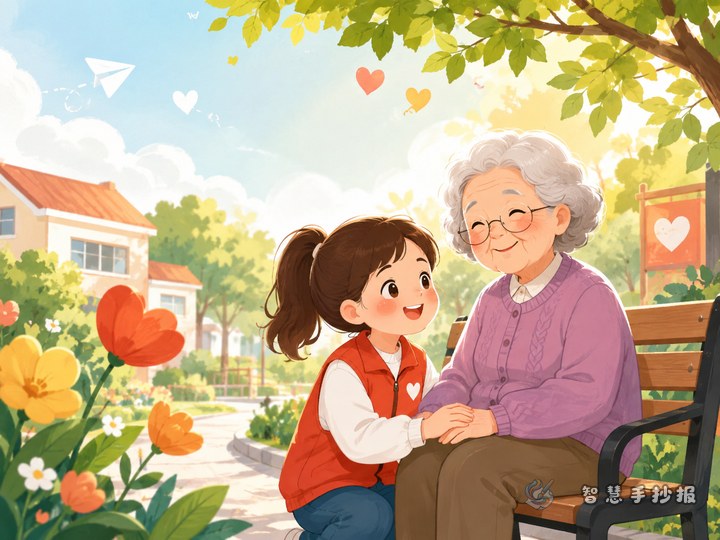
- Help children and older people recognize sorting signs.
3. Common mistakes people make
- Putting used tissues into recyclables.
- Throwing batteries into ordinary bins.
- Mixing wet kitchen waste with other trash.
- Ignoring labels and tossing waste into any bin.
This section is especially useful because it turns the poster into something practical, not just decorative.
Section titles you can use directly
- Sorting Mini Class
- Volunteer in Action
- Common Mistakes
- Easy Memory Rhymes
- My Action Plan
These sections are easy for elementary students to understand and write, and they help parents or teachers organize the page quickly.
Short slogan ideas for the page
- Sort waste well, keep the community bright.
- Volunteers guide, good habits grow.
- Small sorting bins, big community civility.
- Build a green neighborhood together.
- One correct step today, a cleaner home tomorrow.
Use only a few slogans around the borders or between sections so the page does not look crowded.
Layout ideas that look neat and clear
This topic works best with a clean and organized layout. Two easy choices are:
- Four-block layout: sorting knowledge, volunteer action, common mistakes, and my pledge.
- Two-column layout: knowledge on one side, action and reminders on the other, with a large title on top.
Green, blue, and orange are good main colors. You can draw recycling bins, leaves, apartment buildings, volunteer badges, or community notice boards to show the neighborhood setting. Keep enough blank space so the poster feels tidy and pleasant to read.
A strong ending for the whole poster
You can finish with a short message such as: Waste sorting is not a small thing. It affects our community environment and shows our daily habits. As students, we can begin with one bottle, one sheet of paper, and one battery, and work together with volunteers to protect a cleaner neighborhood.
If you already have your theme and want to keep improving the page design and wording, you can continue in the Smart Handwritten Newspaper WeChat mini program.