Begin with a Book Meant to Be Practical
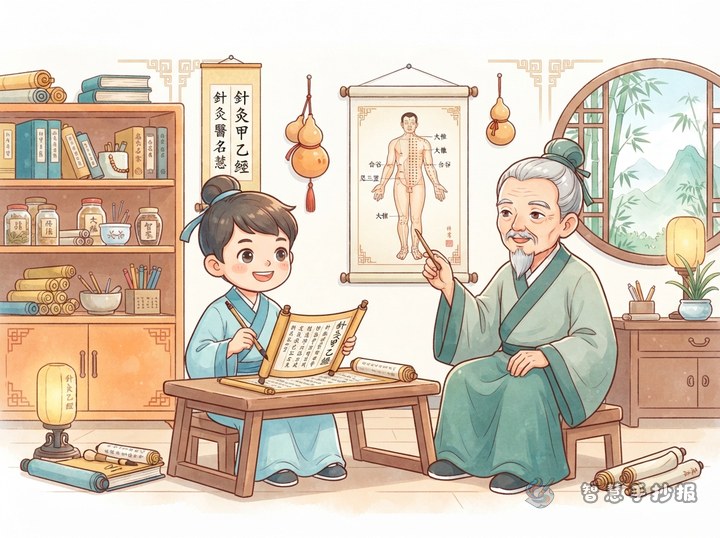
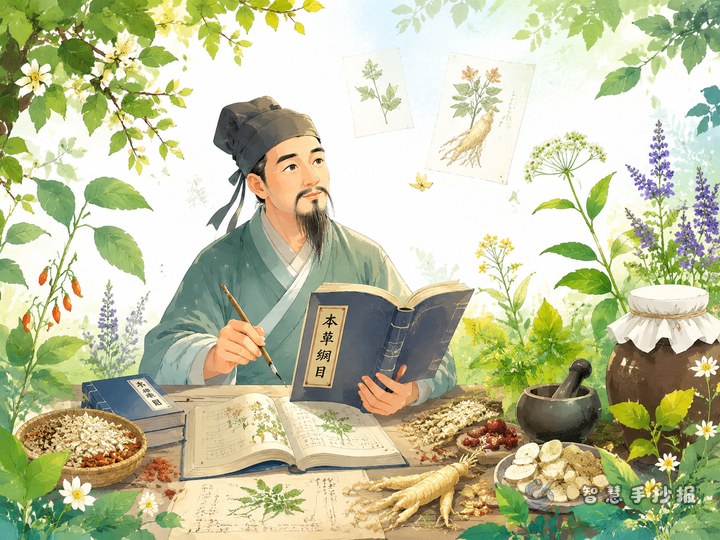
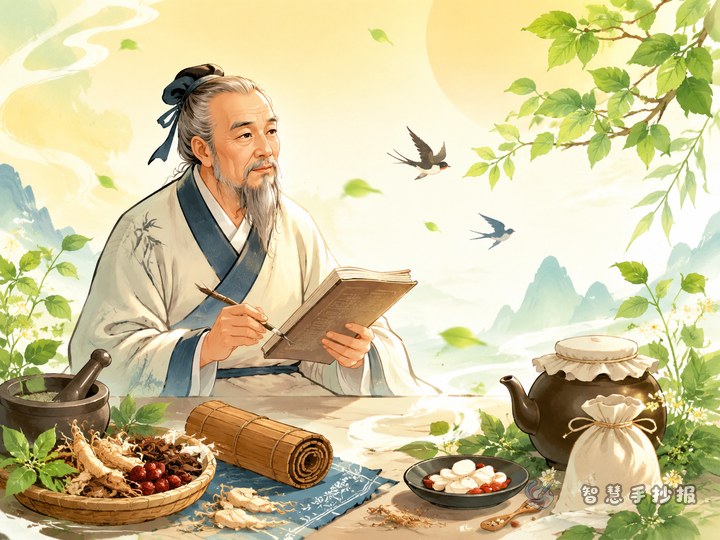
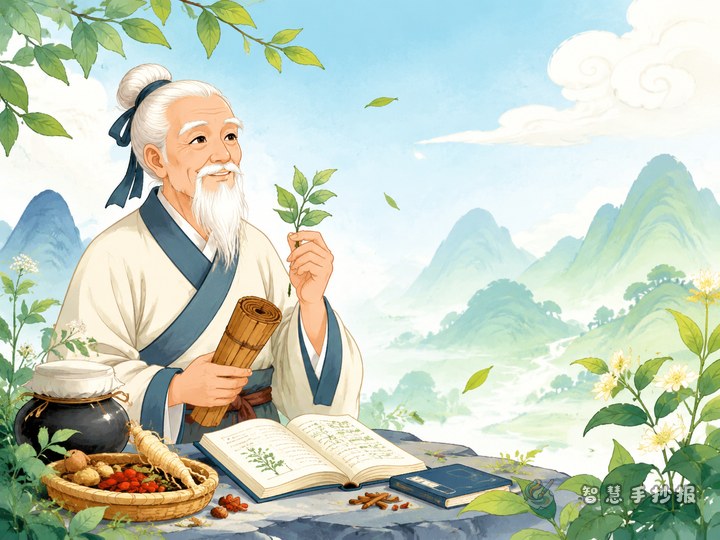
Build the poster around Ge Hong and his connection with Emergency Formulas to Keep at Hand. The main idea is not to list difficult medical terms, but to show how people in ancient China collected and organized practical medical knowledge. Bamboo slips, herbal plants, a scroll, and a medicine gourd can make the title area easy to recognize.
Create a Short Profile of Ge Hong
Keep the profile brief enough for young readers. Divide it into three clear points:
- Who he was: Ge Hong was a scholar and medical writer of the Eastern Jin period.
- His well-known work: Emergency Formulas to Keep at Hand is noted for recording concise and practical approaches to urgent health problems.
- What his story shows: Careful observation, useful records, and concern for everyday needs were important parts of early medical learning.
Ready-to-Use Writing for the Poster
Organizing Medical Experience
Books were difficult to obtain in ancient times, so collecting and preserving useful knowledge mattered greatly. The work associated with Ge Hong used a relatively concise format, helping later readers understand how practical medical experience was recorded in early China.
A Lesson for Students Today
Ancient medical books should be studied as part of history and culture, not used as instructions for treating illness. Ge Hong's story can inspire students to observe carefully, keep good records, value life, and help others. For any illness or injury, children should tell an adult and seek qualified medical care.
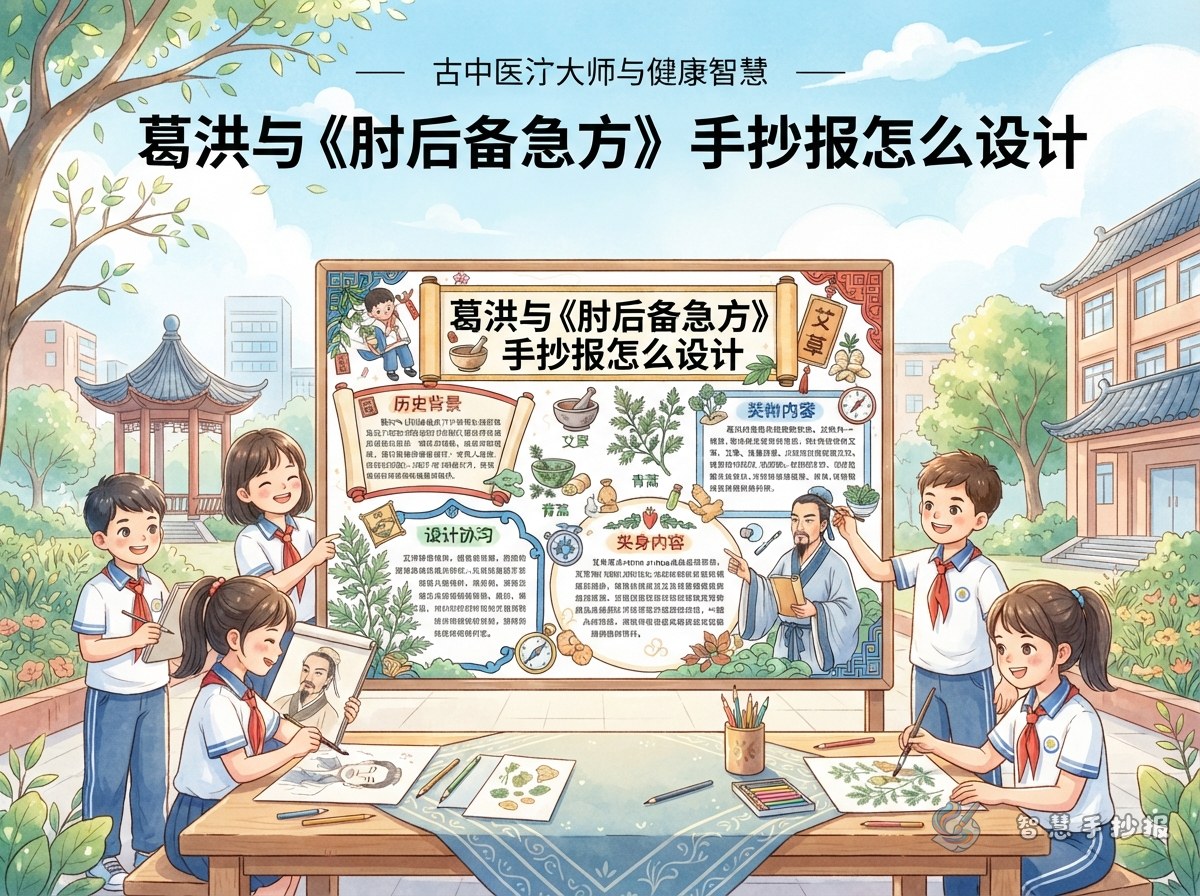
Design the Page Like an Open Medicine Chest
- Place a wide title banner across the top and add a small portrait of Ge Hong.
- Use a bamboo-slip frame on the left for the biographical profile.
- Put three leaf-shaped text boxes in the center for the ideas of simplicity, recording, and usefulness.
- Reserve the right side for the short passages and a clear past-versus-present health reminder.
- Finish the bottom edge with a light herbal pattern and leave enough blank space around the text.
Colors and Finishing Touches
Choose a pale cream background with herbal green, warm brown, and a small amount of vermilion. Draft the text boxes in pencil before writing in black ink. Keep the illustrations simple and avoid complicated anatomical drawings. To explore more layouts and continue making the poster, scan to open the Smart Hand-copied Poster WeChat Mini Program.