Choose a clear angle: show one old building well
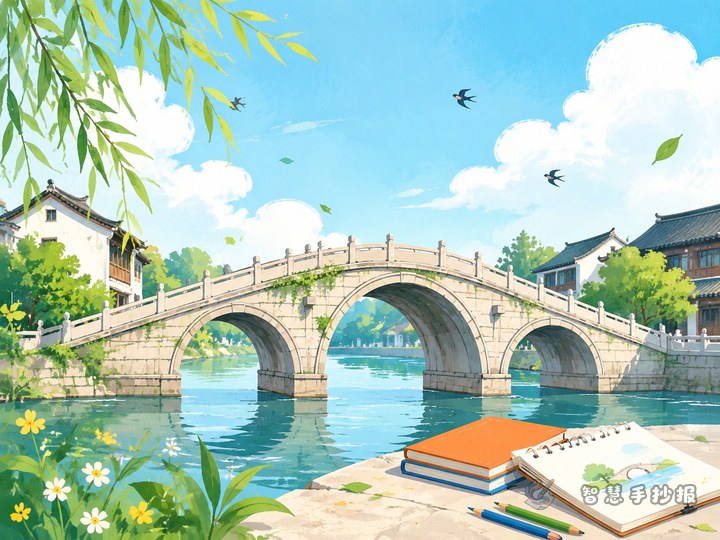
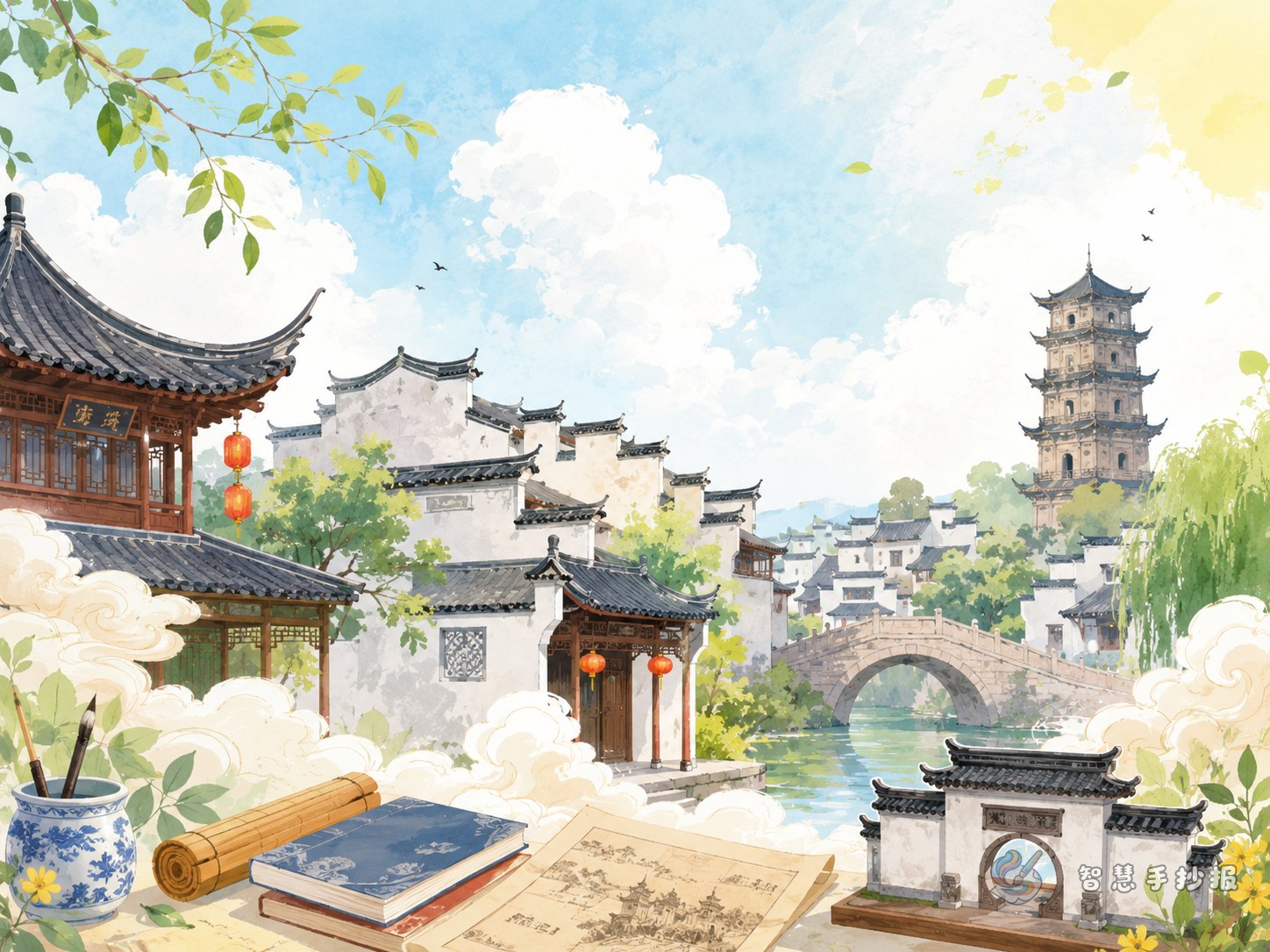
A hometown architecture poster works best when it focuses on one landmark, such as an old bridge, tower, city gate, ancestral hall, or historic street. First explain where it is and what it looks like. Then connect it to local life and hometown memories. This makes the poster easier to read and more vivid for children.
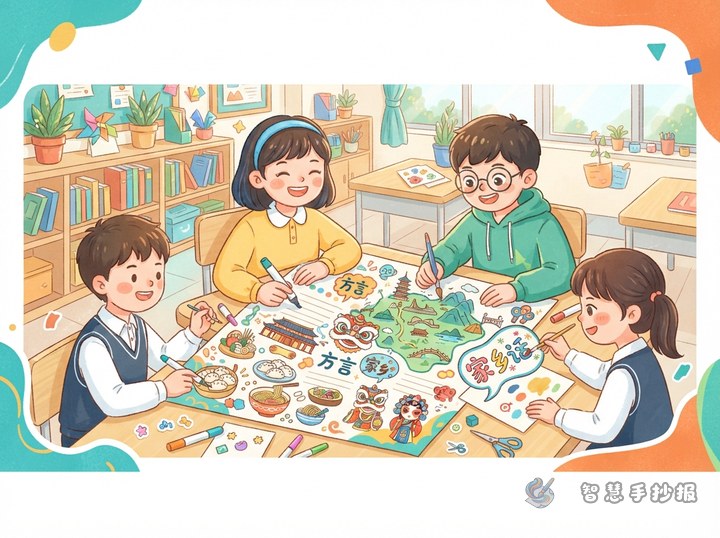
If students are not sure which place to choose, they can also use a broader topic like “Old Buildings in My Hometown” and divide the page into several small sections.
Useful sections for the poster
- Building profile: name, location, and a short introduction.
- What it looks like: roof, doors, windows, bricks, carvings, colors, and materials.
- Stories and memories: a local legend, family memory, or something older people often mention.
- Why it matters: what this building tells us about the hometown.
- How to protect it: simple ideas such as visiting politely and keeping the area clean.
This structure includes facts, observations, and personal feelings, so the poster feels complete instead of dry.
Ready-to-use writing ideas
Opening lines
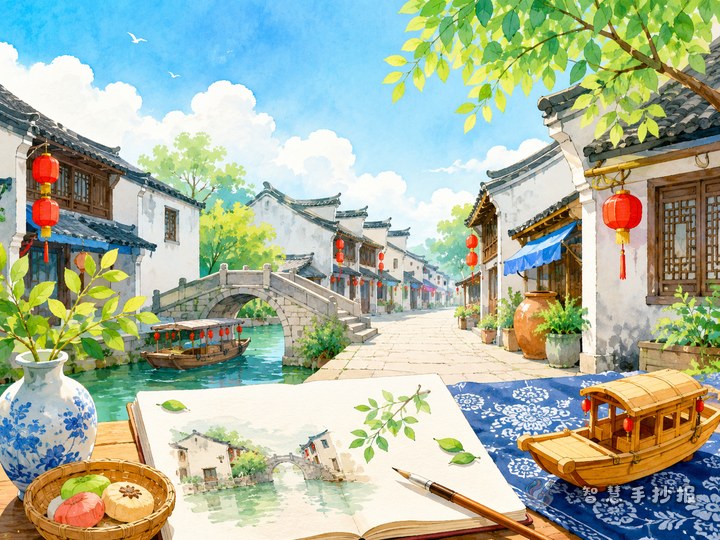
My hometown is not only known for busy streets and delicious food, but also for beautiful old buildings. They quietly tell the story of the past and keep the special charm of local culture.
Description of appearance
Many old buildings in my hometown have curved roofs, gray bricks, stone steps, and detailed carvings. Their simple colors and traditional shapes make people feel the beauty of history.
Cultural meaning
Old buildings are more than old houses. They are part of local memory. They help us understand how people lived before and why our hometown has its own special character.
Ending lines
Protecting old buildings means protecting the cultural name card of our hometown. We should learn about them, respect them, and help keep their beauty alive for the future.
Layout tips that make the page feel alive
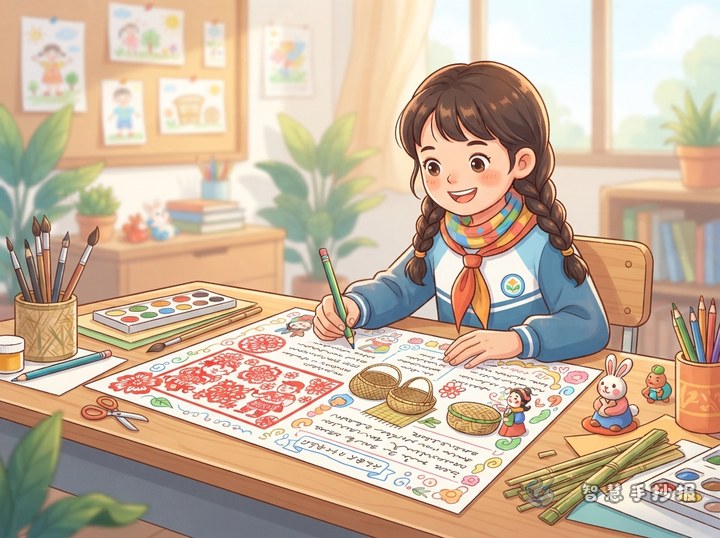
A good layout is to place the title in the center and spread the sections around it. Put the building profile and appearance on one side, and stories, feelings, or protection tips on the other. At the bottom, add a short conclusion.
Color choices such as brick red, brown, gray, and dark green can create a traditional feeling. Decorative elements like roof lines, windows, stone paths, and simple patterns can make the page more related to old architecture.
How to make it feel truly local
To give the poster a real hometown flavor, include small personal observations. For example, students can write that they pass the old bridge on the way home, or that the place becomes lively during festivals. These details make the poster warmer and more memorable.
If you want to keep improving the layout, title, and color matching, you can continue designing in the Zhihui Handwritten Newspaper WeChat mini program.