Choose a home-based angle for a more useful poster
A fire safety handwritten newspaper does not have to stay broad. A kitchen fire safety theme feels close to daily life, which makes the content easier to write and easier to remember. The kitchen is a familiar place where fire, electricity, and gas are often used together, so it is a practical setting for safety education.
You can give the page a title such as “Kitchen Safety Starts with Me” or “Be a Kitchen Fire Safety Helper.” Compared with general fire safety facts, this angle allows you to add realistic reminders, like not leaving cooking unattended, keeping paper away from the stove, and turning off the gas valve after use.
Four content blocks that work well on the page
Common kitchen fire hazards
- Cooking oil gets too hot in the pan.
- The stove is left on with no one watching.
- Towels, paper, or plastic items are too close to heat.
- Gas hoses are old or loose.
- Too many appliances are used on one power source.
Easy prevention tips
- Stay nearby while cooking.
- Turn off the gas after use.
- Keep the kitchen well ventilated.
- Keep plugs and sockets dry.
- Store flammable items away from heat.
What to do in an emergency
- If oil catches fire, do not pour water on it. Cover the pan with a lid.
- If you smell gas, open windows first and do not switch lights on or off.
- If an appliance smokes, turn off the power first.
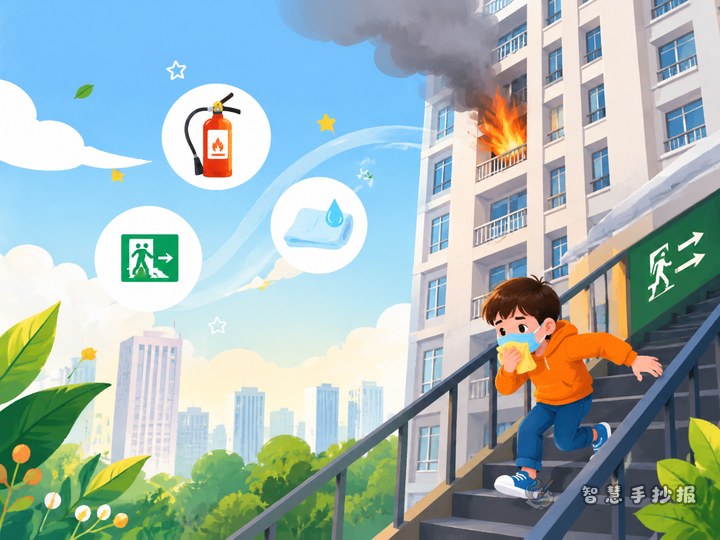
- If the fire grows, leave the area quickly and ask adults for help.
Short reminder lines
- Small flames can bring big danger.
- Good habits help keep families safe.
- Fire safety begins with daily care.
A layout that is clear at first glance
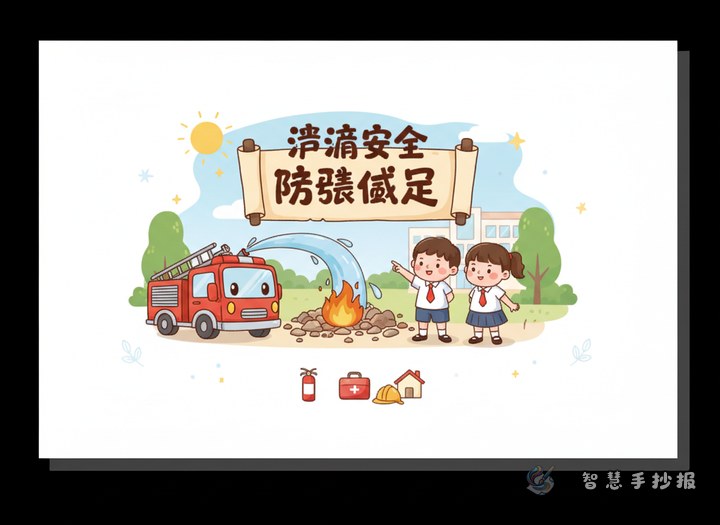
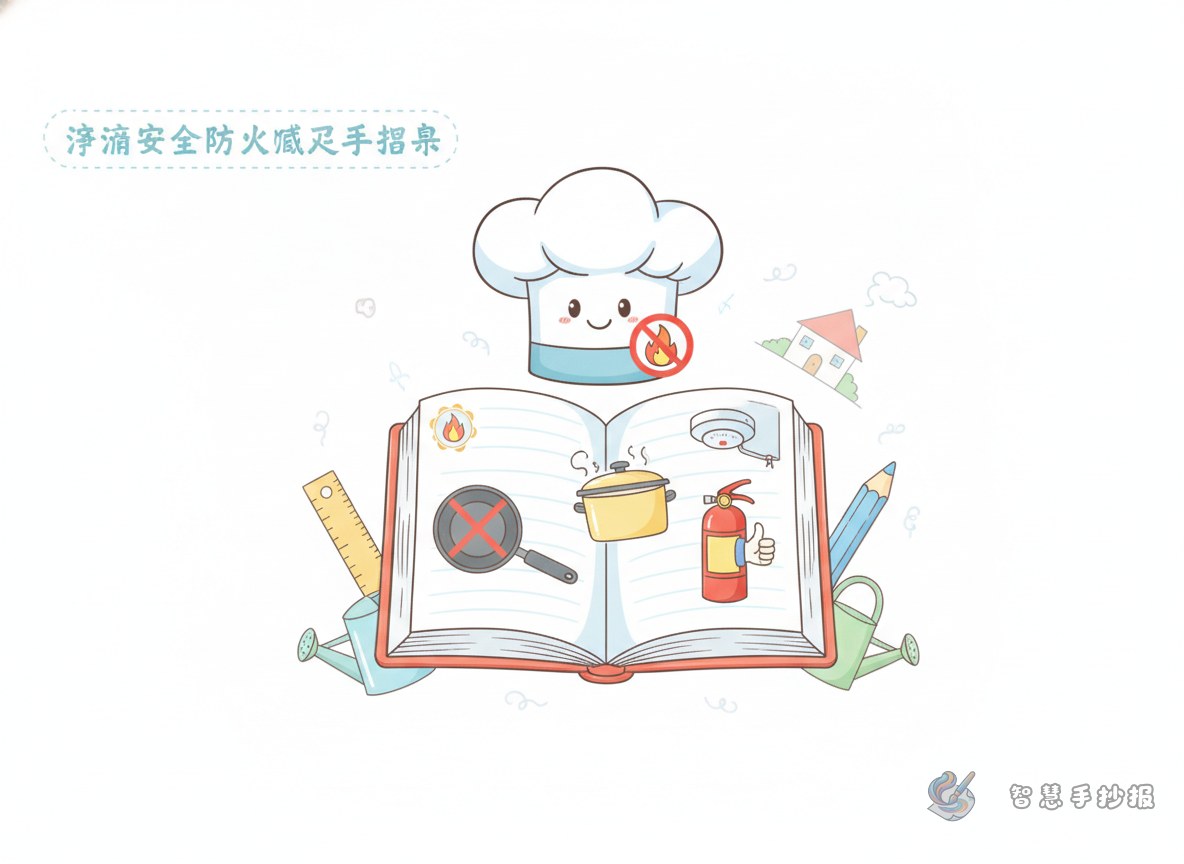
This topic works well with a central scene and four side panels layout. In the middle, draw a stove, pan, kitchen counter, or a cartoon child wearing an apron. Around it, place small knowledge sections. This makes the page feel warm and practical while keeping the information easy to follow.
- Top area: main title
- Left side: unsafe actions
- Right side: correct safety habits
- Bottom area: emergency steps or daily checklist
- Corners: decorate with flames, water drops, extinguishers, and warning signs
You can also shape the boxes like pot lids, sticky notes, or small warning boards to match the kitchen theme. Just keep enough blank space so the page does not look crowded.
Short text examples for students
- The kitchen is warm, but safety comes first.
- Never leave cooking alone.
- Do not use water on a grease fire.
- If you smell gas, open windows and stay calm.
- Turn off appliances after use.
You may also add a short closing paragraph: Kitchen fire safety is not difficult. It starts with simple habits every day. By paying attention to fire, electricity, and gas, many dangers can be prevented before they happen.
Color ideas and finishing touches
Use red, orange, and yellow as the main colors to match the fire safety theme, then add a little blue or green for contrast. Make important words stand out, such as “turn off gas,” “do not use water,” and “cut off power first.”
A small “Can I check it?” box can make the poster more interactive. For example: Is the gas valve off? Are the plugs unplugged? Is the stove area clean? After drafting the text and layout, families and students can continue polishing the design in the Zhihui Shouchaobao WeChat mini program to make the final handwritten newspaper cleaner and more complete.