Start with the reason skin may change
This poster can begin with a simple explanation: during puberty, the skin may produce more oil, so blackheads, whiteheads, or pimples can appear on the forehead, nose, and chin. These changes are common, and no one should be teased or judged because of them.
Build the poster around three practical zones
Gentle cleansing
- Wash the face gently with lukewarm water in the morning and evening.
- Clean up after exercise and pat the skin dry instead of rubbing it.
- Wash pillowcases, towels, hats, and other items that often touch the face.
Habits to avoid
- Do not squeeze or pick at pimples, because this can damage the skin.
- Do not scrub or wash repeatedly just because the skin feels oily.
- Do not try unknown remedies or harsh products without guidance.
Healthy daily choices
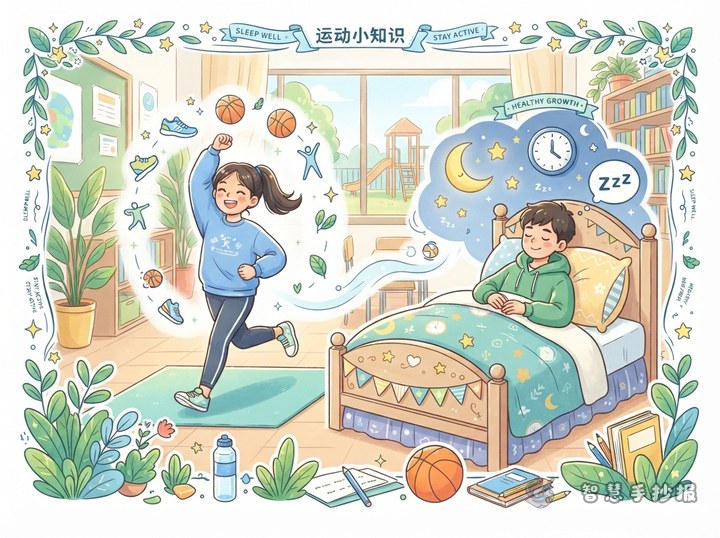
- Keep a regular sleep schedule and make time for suitable exercise.
- Eat a balanced range of foods and drink enough water.
- Touch the face less often and keep hair away from oily areas when possible.
Short lines ready for the poster
Skin fact: Puberty can change the skin, and gentle care matters more than forceful scrubbing.
Hygiene reminder: Keep hands away from pimples and give irritated skin time to recover.
Kindness message: Acne is never a reason to make fun of someone. Respecting body changes is part of growing up.
Ask for help: Tell a parent or guardian if spots become painful, severe, or upsetting, and seek qualified advice when needed.
Turn the layout into a skin-care journal
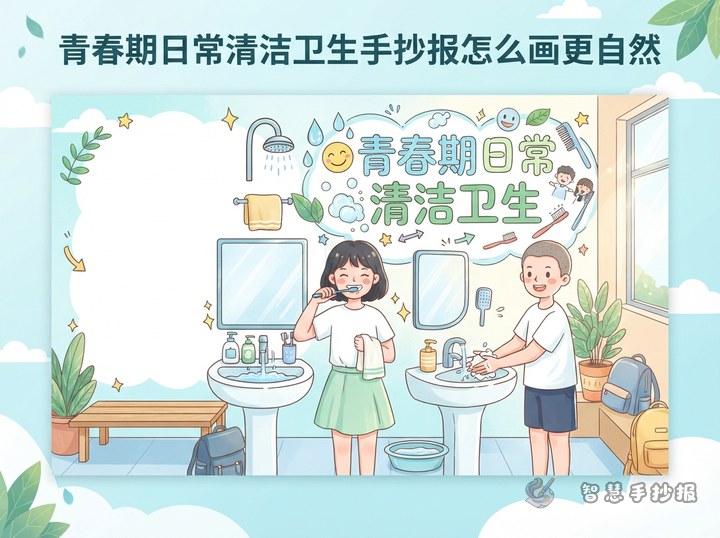
Divide the page into four horizontal sections. Place the title and a simple face outline on the left, compare helpful habits with common mistakes in the center, and add a small skin-care journal on the right. The journal can track cleansing, sleep, and how the skin feels without rating appearance. Use green, blue, and a little orange, with small water-drop, towel, moon, and shield symbols to guide the reader.
Review the message before finishing
- Remove promises such as “guaranteed clear skin” or “works in a few days.”
- Do not suggest that acne simply means someone is unclean.
- Check that headings, spacing, and reading order are easy to follow.
- Use the Smart Handwritten Newspaper WeChat Mini Program to continue arranging the headings, sections, and colors.