Choose a Clear Message for the Poster
Build the hand-copied poster around four ideas: understanding tuberculosis, noticing possible warning signs, improving ventilation, and asking adults for help. Keep the medical information simple and focus on actions students can take. The poster should also remind readers to treat affected classmates with respect rather than fear or exclusion.
Ready-to-Use Writing Material
How TB Can Spread
Pulmonary tuberculosis mainly spreads through the air. A person with infectious TB may release tiny particles when coughing, sneezing, or speaking. Fresh air is especially important in crowded indoor spaces with poor ventilation.
Signs That Should Be Reported
- A cough or phlegm that continues for a long time.
- Unusual tiredness, poor appetite, or noticeable weight loss.
- A mild afternoon fever, night sweats, or chest discomfort.
These signs do not automatically mean that someone has TB. A student should tell a parent, teacher, or school health worker and receive an assessment from a qualified medical professional instead of guessing or taking medicine without guidance.
A School Protection Checklist
- Open classroom and dormitory windows regularly when conditions allow.
- Cover coughs and sneezes with a tissue or bent elbow.
- Never spit on the ground, and place used tissues in a bin.
- Maintain regular sleep, balanced meals, and suitable exercise.
- Report persistent discomfort and avoid forcing yourself to attend class while ill.
Turn the Layout into an Action Path
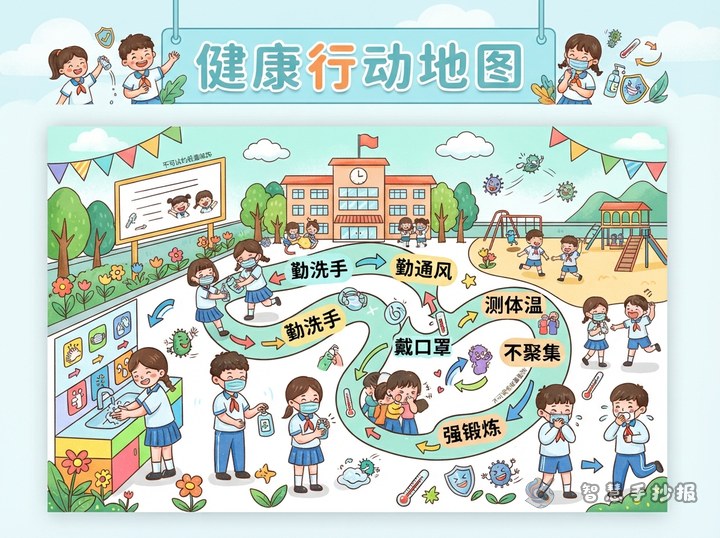
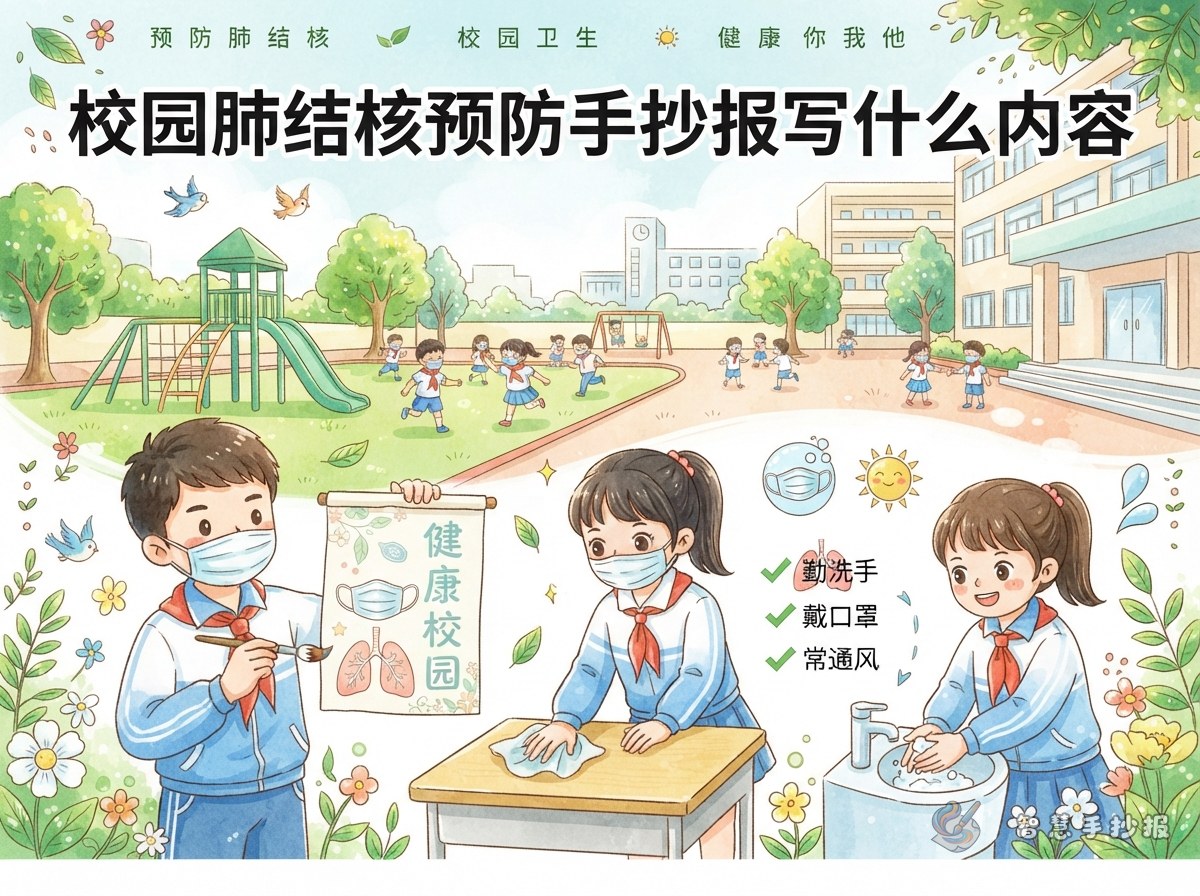
Arrange the page as a journey from “notice a sign” to “take the right action.” Put the main title at the top and draw an open window in the center. Place a short TB facts section on one side and five protective actions on the other. Add a personal action pledge along the bottom. Blue, green, and orange can separate facts, reminders, and actions without making the page look frightening.
Combine Prevention with Kindness
Highlight early reporting, proper medical assessment, practical prevention, and respectful behavior. Avoid exaggerated claims such as suggesting that simply standing near someone always causes infection. Short lines such as “Care, do not label” and “Illness is never someone’s fault” make the poster accurate and considerate.
Review the Draft Before Finishing
Check that the title is easy to see, paragraphs are divided into readable sections, and important actions appear as short phrases. Remove unsupported statistics, diagnoses, or treatment instructions. To organize the selected material into a printable or easy-to-copy layout, continue creating the poster in the 智慧手抄报 WeChat Mini Program.