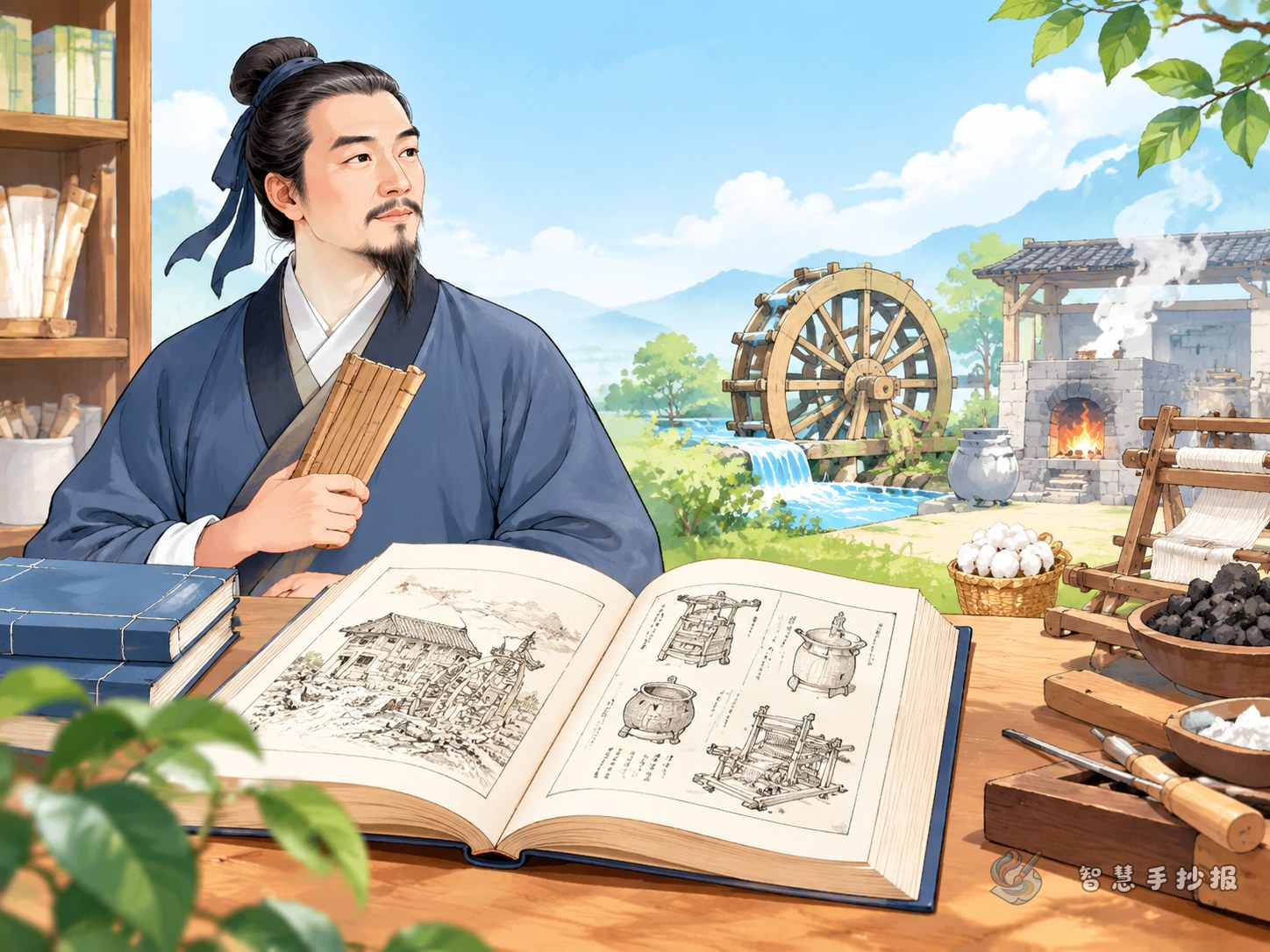
Treat Tiangong Kaiwu as a Small Museum of Ancient Crafts
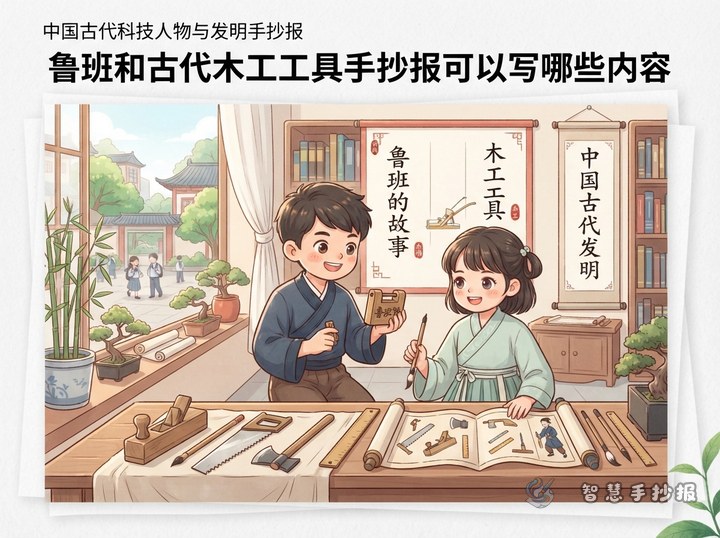
A Song Yingxing handwritten newspaper does not need to read like a long biography. Think of Tiangong Kaiwu as a set of exhibition rooms: one for farming, one for workshop crafts, and one for the people who recorded them. Readers enter through a short person card, then follow step-by-step panels through the page.
Good main titles can focus on the book, the crafts, or the idea of practical wisdom. Try “Tiangong Kaiwu: An Ancient Craft Exhibition,” “Wisdom in an Old Book,” or “From Field to Workshop.” Add a short subtitle naming Song Yingxing and Tiangong Kaiwu so the theme stays clear.
Five Sections That Keep the Page Organized
A Person Card
Use three or four sentences to connect Song Yingxing with the book: he lived in the Ming dynasty, valued observation and practical production knowledge, and Tiangong Kaiwu records many farming and handicraft techniques. Place the card in a top corner with a simple scroll or magnifying-glass border.
Craft Files
Choose two or three crafts with clear steps and easy shapes, such as silk reeling, salt making, oil pressing, or porcelain making. For each one, write a short chain: materials, tools, steps, and finished product. This works better than a long paragraph.
Step Panels
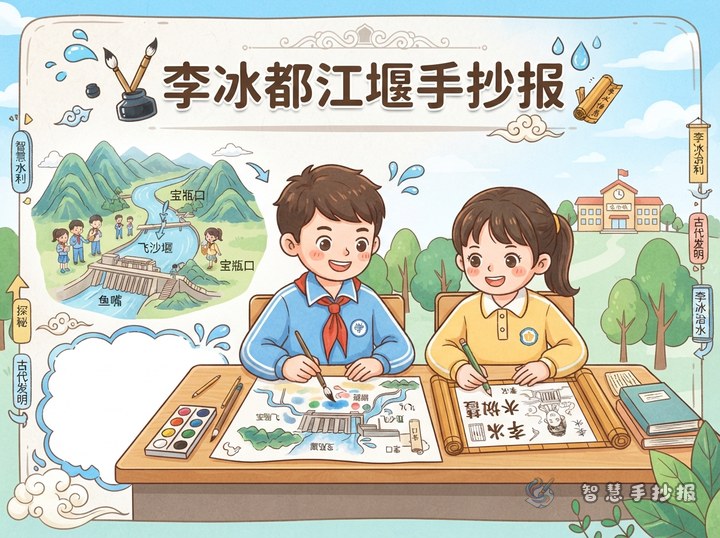
Draw three or four small boxes and link them with arrows. Add labels such as “Step 1” and “Step 2.” The drawings do not need to be detailed; the goal is to show order at a glance.
A Mini Glossary
Pick a few terms and explain each in plain language. Turn them into small tags along the edge of the page so they add information without taking over the layout.
A Quiz Corner
Add a simple task: put the steps in order, or find the tool that does not belong. Put the answer in a corner so classmates can pause and check.
Headlines and Opening Lines You Can Adapt
Keep section titles short and active. “Person Card” can become “Meet Song Yingxing.” “Craft File” can become “How an Object Is Made.” “Step Panels” can become “Follow the Arrows.”
Sample opening: “Open Tiangong Kaiwu, and you step into a small museum of ancient crafts. Here are skills from the fields and clever ideas from the workshop. Today, this handwritten newspaper will show you how the steps fit together.” It is short enough to sit under the main title.
Layout and Color: Ancient Style Without a Crowded Page
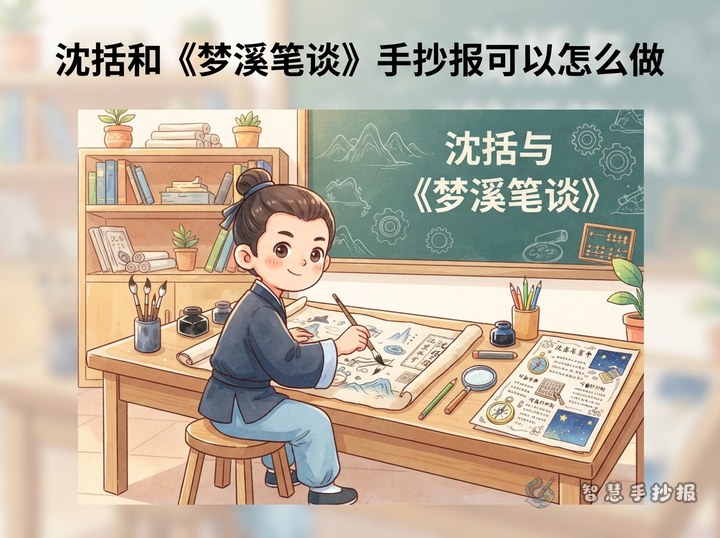
Try a “center book, left and right galleries” layout. Draw an open book or scroll in the middle for the main title. Put the person card and glossary on the left, two or three craft files on the right, and a horizontal strip at the bottom for a process line or quiz. Leave white space between sections so the writing can breathe.
Use earthy yellow, ink black, and soft green as the main colors, with a little brick red for titles or arrows. Borders can suggest wood grain, thread, or simple vessel outlines. Avoid covering the whole page with pattern. Keep backgrounds light where there is a lot of text.
A Simple Build Order
- Choose the main idea: an ancient craft exhibition, not a full life story.
- Sketch the layout: title, person card, craft files, step panels, and quiz corner.
- Write the text: keep each section to a few sentences or one short paragraph.
- Add decoration last: arrows, numbers, tags, and small borders that connect the sections.
If you want a faster start, open the 智慧手抄报 WeChat mini program, choose an ancient technology template, and replace the section names and craft examples with your own version.