Choose a clear idea: make the city safer for animals
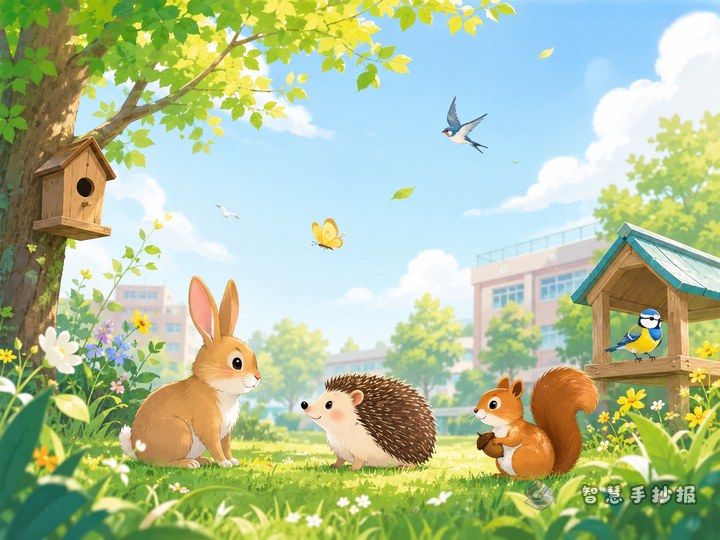
This handwritten newspaper can focus on “Safe routes for animals in the city”. Introduce how birds, hedgehogs, squirrels, frogs, and other small animals look for food, shelter, and places to move, while roads, walls, and glass buildings may block their paths. A title such as “Leave a Road for Urban Animals” and the subtitle “A Shared Home for People and Wildlife” can make the topic specific and meaningful.
Turn animal routes into a city map
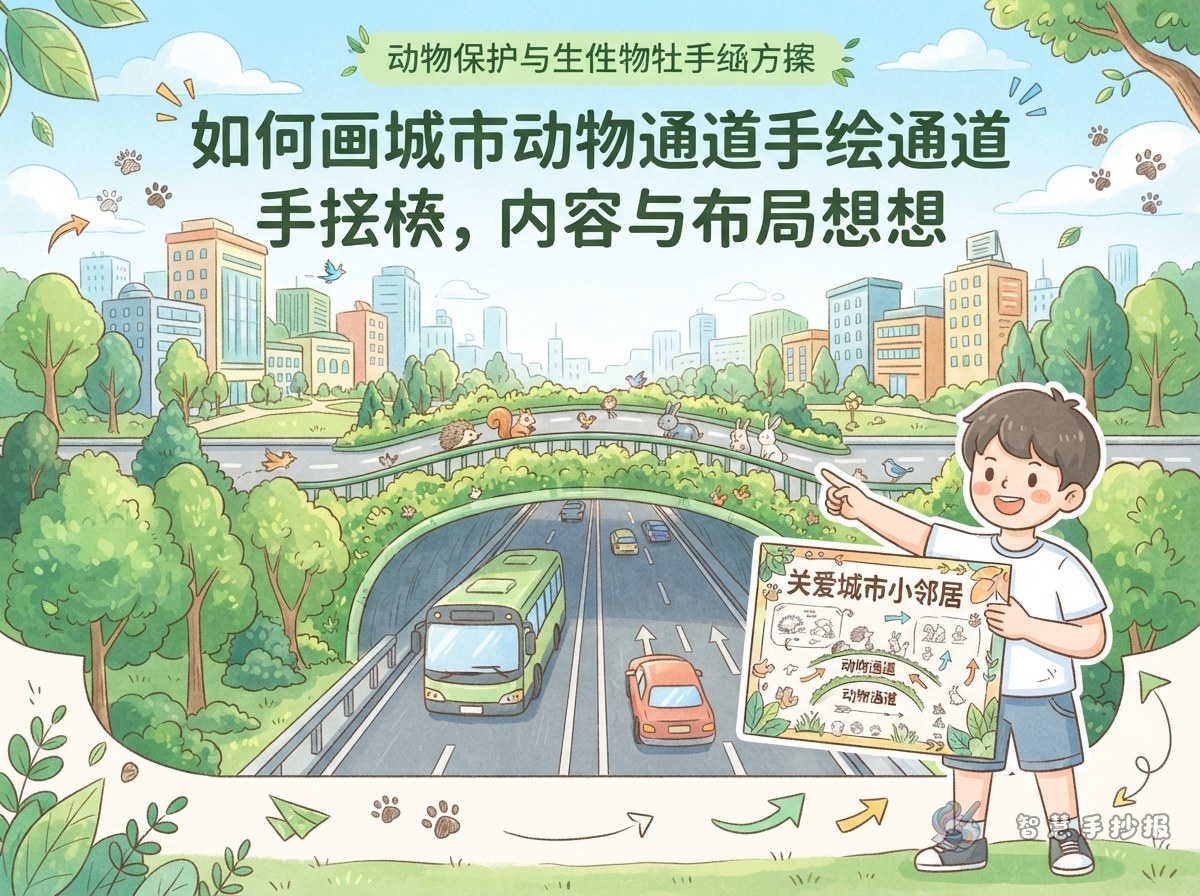
Use a top-view map as the main layout. Draw a green route connecting a park, a stream, and a wooded area in the center. Put roads and tall buildings on one side, and trees, a pond, and grassland on the other. Add arrows to show animal movement, then draw an ecological bridge, a hedge, or a continuous green space to explain how these features help animals cross safely. Place each animal near the habitat it needs to make the picture tell a story.
Suggested sections
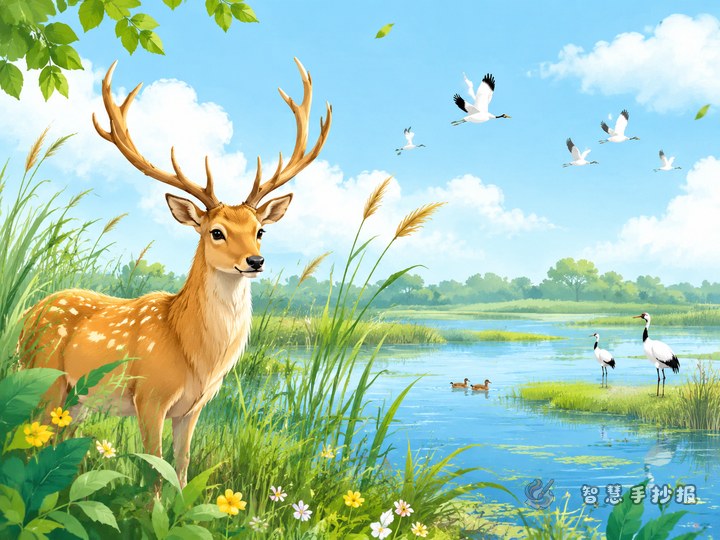
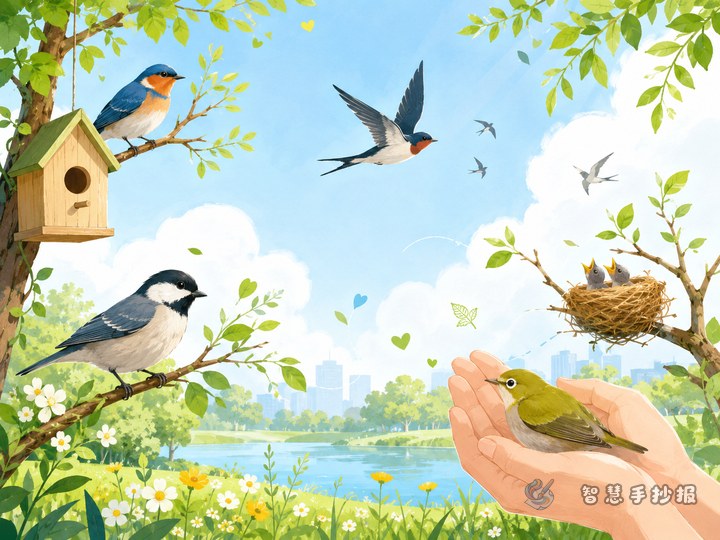
- Our animal neighbors: Show where common urban animals live, such as birds nesting in trees and frogs staying near water.
- Dangers along the way: Mention traffic, litter, damaged nests, and careless feeding.
- Leave a route for wildlife: Introduce ecological bridges, connected green spaces, bird-friendly windows, and protected ponds.
- My small actions: Suggest not chasing animals, sorting waste, watching birds respectfully, protecting plants, and asking adults or professionals for help when an animal is injured.
Text you can use directly
Message: A city is not only a home for people. It is also a place where many animals live, find food, and raise their young. Protecting trees, riverbanks, and green spaces, while connecting safe habitats, helps protect the living network of the city.
Slogan: Leave safe lines beside roads and connect green spaces for life. Do not disturb or harm wildlife; let nature bring more life to the city.
Question corner: Why are animal routes important? When woods, riverbanks, and grasslands are separated, animals may have trouble finding food and companions. They may also face danger when crossing roads. Connected habitats give them safer ways to move.
Ways to make the page clear and lively
Place the main title at the top and decorate it with leaves, footprints, or animal silhouettes. Use green, blue, and brown for green spaces, water, and roads. A small amount of red can mark danger areas without taking over the page. Keep sections short and leave enough space around them. Younger students can focus on routes and icons, while older students can organize the content as “problem, solution, and action.”
Check these three points before finishing
- Is the main idea about urban animal movement and connected habitats instead of a general list of animals?
- Does the page include the challenges animals face, protection methods, and actions students can take?
- Are the title, map, sections, and key messages easy to read from a distance?
For help arranging sections, adding short slogans, or completing the layout, continue creating in the WeChat Mini Program Zhihui Shouchaobao and turn this urban wildlife route idea into a polished handwritten newspaper.