Pick One Theme Line First
World Animal Day falls on 4 October, and many schools mark it with a poster or wall display. Before you draw anything, write one sentence that sums up your message, such as "They are neighbours, not scenery" or "Every species deserves to stay".
Put that sentence just below the main title, one size smaller, and trace it with a coloured pen. A theme line keeps your pictures, colours and word choices pointing in the same direction.
Four Columns You Can Write Today
Column 1: Animal Profiles
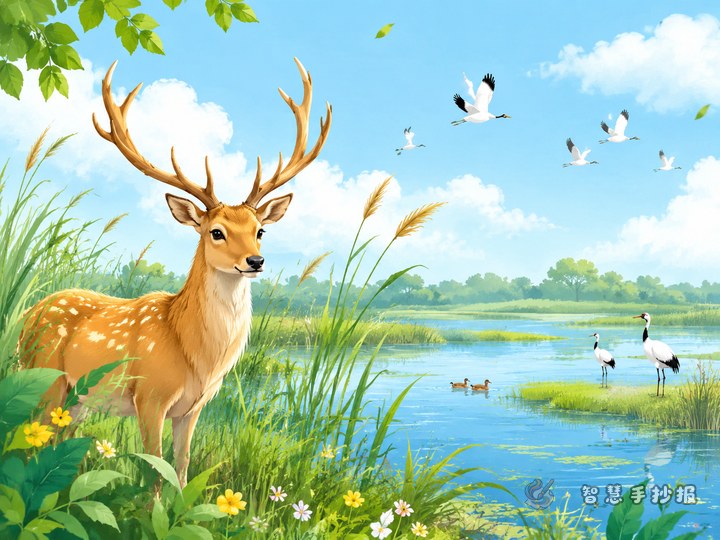
Choose two or three animals, either familiar ones or species that need protection. For each one, write three or four lines covering:
- Its name and where it lives
- What it eats and one special skill
- One sentence on why it should be protected
Column 2: The Trouble They Face
Keep this part factual rather than gloomy:
- Homes squeezed out as trees disappear and water becomes dirty
- Plastic bags and litter mistaken for food
- Too much light at night and too much noise
- Careless feeding and abandoned pets
Column 3: Small Things We Can Do
- Keep a distance from wild animals, and never chase, catch or feed them.
- Sort your rubbish properly, especially plastic bags and drinks bottles.
- Do not take eggs from nests or disturb animals that are resting.
- Join school activities such as tree planting or bird watching.
- Share what you learn with your family.
Column 4: One Line for the Animals
Keep slogans to two short lines, for example "One less plastic bag, one more safe meal" or "Quiet is a kind of care". Write three to five of them and frame each one in a small coloured box.
Arranging the Page So It Looks Tidy
Divide the sheet into an upper and a lower part. Use the top third for the header: the words "World Animal Day" in large letters, your theme line and a small drawing. Split the lower part into two columns, with text on the left and the main picture plus slogans on the right.
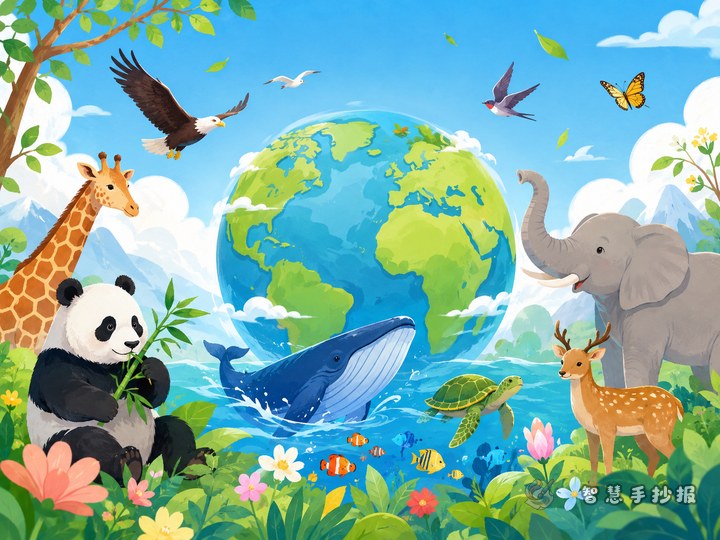
- Draw a round globe as the main picture and add two or three animal silhouettes filled in a dark colour.
- Choose one border motif, such as footprints, leaves or waves, and repeat it around the whole page instead of mixing four different ones.
- Limit yourself to three or four colours. Green with blue and yellow works well; keep body text black or dark blue.
- Leave a little space between columns, because a crowded page looks messy even when the writing is good.
Writing and Drawing Details
Set your line spacing slightly larger than the height of your letters. Light pencil guide lines can be rubbed out afterwards. Titles can have a colour block or a double-line frame, but keep the decoration simple. Draw only outlines and two or three details, and save the rest of your time for the writing, since the text is still the heart of the poster.
Quick Check Before You Hand It In
Look at three things: check for spelling mistakes in the title, make sure no two columns repeat the same content, and fill any large empty corner. If you want more layout styles or ready-made column frames, open 智慧手抄报 in WeChat Mini Program, pick an animal protection template, and type your own text into the boxes.