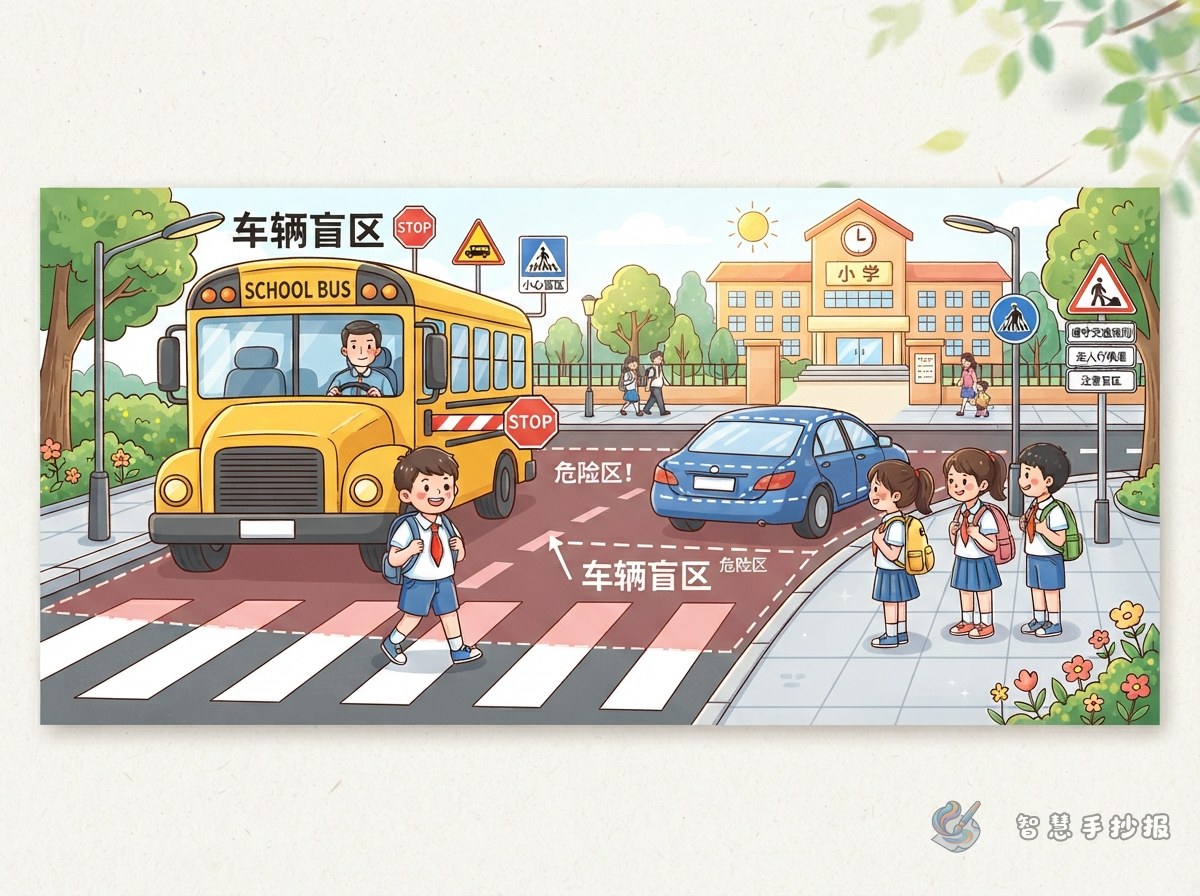
Why blind spots deserve their own handout
Most traffic safety handouts start with "stop at red, go at green". That rule matters, but blind spots feel much closer to a child's everyday walk to school: waiting in front of a car, slipping behind a parked one, or standing beside a truck as it turns. A theme like "the danger you cannot see" is far more memorable than a plain list of rules.
A short line for the top of the page works well: It is not that drivers refuse to stop - it is that they truly cannot see you.
Break the topic into three columns
Column one: the hidden zone in front and behind
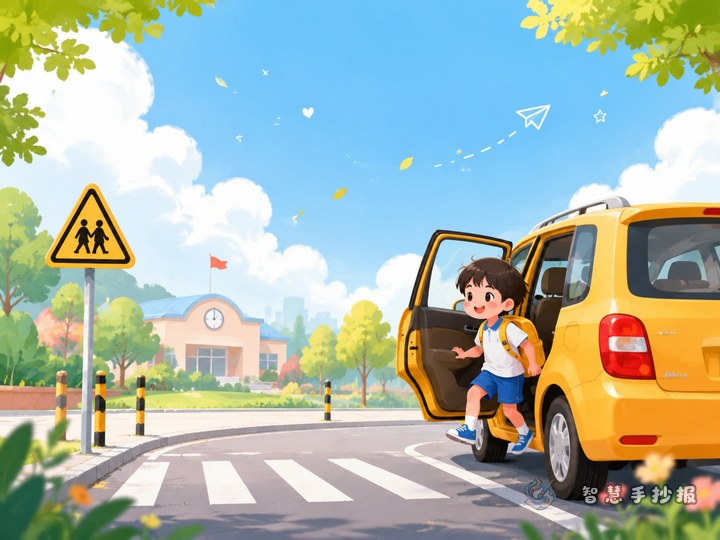
- The area just ahead of the bonnet and just behind the boot is almost invisible from the driver's seat.
- Car parks, school gates and residential entrances are common places for this.
- Reminder: never dash out in front of a parked car, and never cut behind one.
Column two: the side and rear when turning
- When a car turns or reverses, the side and rear are easy to miss.
- Walk along the pavement without brushing past a car that is starting or backing up.
- Reminder: if a light comes on or you hear a reversing beep, step back and wait.
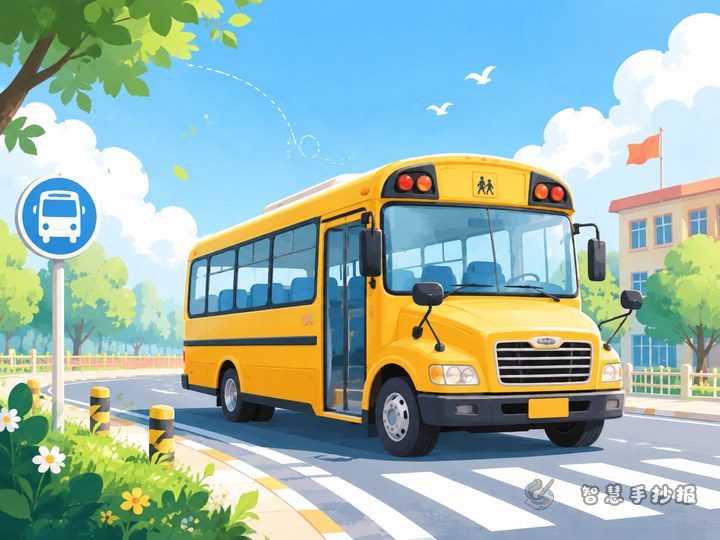
Column three: the inner wheel difference of large trucks
- When a truck turns, the front and rear wheels follow different paths, leaving a risky strip in between.
- Waiting for a truck to finish turning is far safer than squeezing past it.
- Reminder: keep your distance and cross only after it has turned.
Short lines you can copy straight onto the page
- If the driver cannot see me, I am standing in danger.
- Take the longer way around a car, not the quick way past it.
- Lights on and beeping heard? Pause first, decide second.
- Give trucks room - no walking alongside, no squeezing, no racing.
- Move slowly through car parks; no running and no weaving between vehicles.
Laying it out like a real traffic diagram
Divide the sheet into three vertical columns: the headline and theme sentence on the left, a car with shaded blind spots in the middle, and the three columns of text with reminder lines on the right.
- Colours: a pale yellow or pale blue background, red diagonal lines for danger zones, black text. Keep it clean.
- Headlines: a main title such as "The Danger You Cannot See" with a smaller subtitle about traffic safety rules.
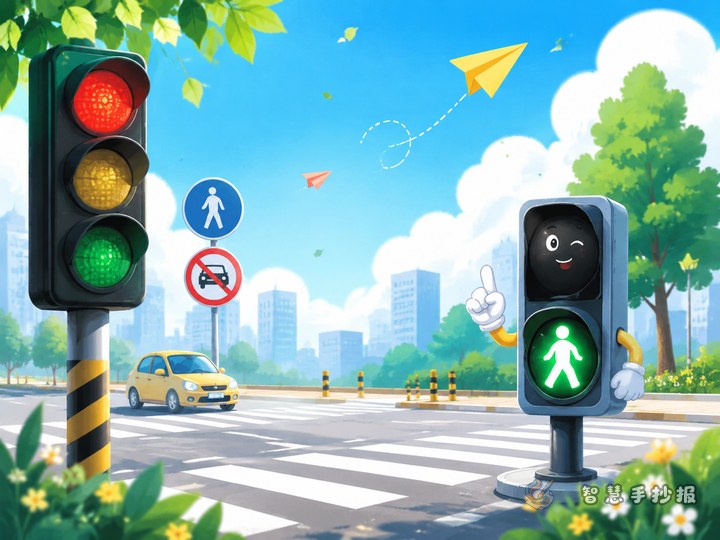
- Small details: a zebra crossing, a traffic light or footprints in the corners add interest without taking up space.
Finish with "what I will actually do"
The strongest part of a handout is often the personal promise. Leave a small box in the bottom corner and write three lines: I always cross at the zebra crossing; I never play around parked cars; I wait when a truck is turning. That turns a page of facts into something that really changes how you travel.
To complete the design, open the "智慧手抄报" mini program in WeChat, choose a traffic safety theme, drop these notes into the template and adjust the borders and colours to make the handout your own.