Start with a clearer and more vivid theme
When making a Guyu handwritten newspaper, many students begin with a basic introduction. But if you want it to feel more original, choose a small theme first. You can focus on spring rain and growth, Guyu customs, weather observations in late spring, or busy farming scenes. This helps your content stay organized and also makes illustration choices easier.
If it is for class homework, place the informative parts in the most visible area. If it is for display, add observation notes, short quotes, and decorative details to give the page more movement.
Best content ideas for a Guyu page
1. Basic solar term facts
- Guyu is one of the twenty-four solar terms and usually arrives in late April.
- The name suggests that rainfall increases and helps grain crops grow.
- It is the last solar term of spring, and warmer weather follows.
2. A small weather section
- Rain becomes more common in spring, and the air turns more humid.
- Short showers, cloudy periods, and changing temperatures may appear.
- After rain, plants often look greener and more lively.
3. Farming and nature changes
- This is a busy time for sowing, raising seedlings, and field care.
- Wheat, rapeseed, and vegetables may enter an important growth stage.
- You can notice clear seasonal changes in fields, riversides, and school gardens.
4. Customs and daily life
- You may write about drinking Guyu tea, enjoying spring, or going outdoors.
- You can also add rainy-day tips and simple advice about protecting plants.
Ready-to-use text materials
Sample 1: Guyu arrives with gentle spring rain, and the world becomes more full of life. In the fields, crops grow strongly with the help of water. On campus, leaves turn greener and flowers brighter. Guyu reminds us to treasure spring and every timely rain.
Sample 2: Guyu is the final solar term of spring. During this time, the weather changes quickly, rain becomes more frequent, and the air feels wetter. People arrange farming work according to the weather, and children can also discover many signs of late spring nearby.
Sample 3: Learning about Guyu is not only reading books. We can stand by a window, walk across the playground, or visit a flower bed after rain. Trees, soil, and new buds all help us understand the solar term in daily life.
A layout idea that does not feel ordinary
Guyu works well with a soft and fresh spring style. Put the title in the top center and decorate it with clouds, raindrops, wheat, young leaves, or swallows. Divide the page into three or four content blocks so it does not become one long wall of text.
- Top: main title with a seasonal decorative frame.
- Left: the meaning and origin of Guyu.
- Right: weather features or customs.
- Bottom: farming notes, observation writing, or short quotes.
If there is too much blank space, add small labels such as “Guyu in My Eyes,” “What I Saw After the Rain,” or “Solar Term Tips.” These can fill the page naturally and still look suitable for younger students.
Color choices and easy illustrations
The best main colors for a Guyu page are light green, pale blue, and soft yellow. They match the feeling of spring, rainfall, and growth. Your drawings do not need to be difficult. Even simple shapes can work well:
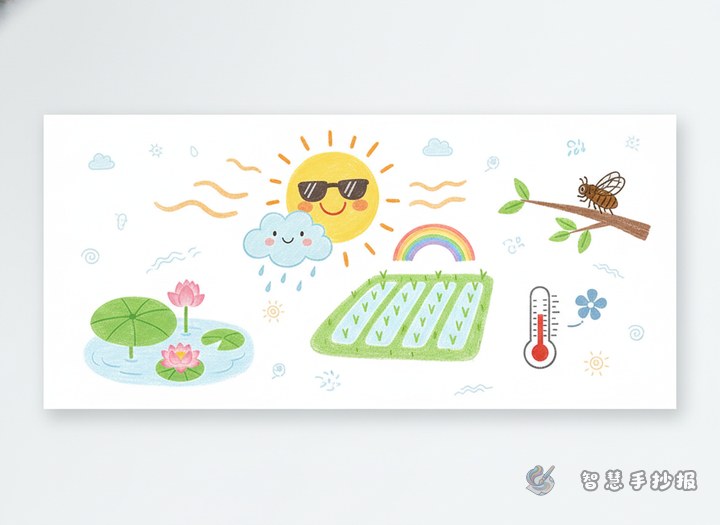
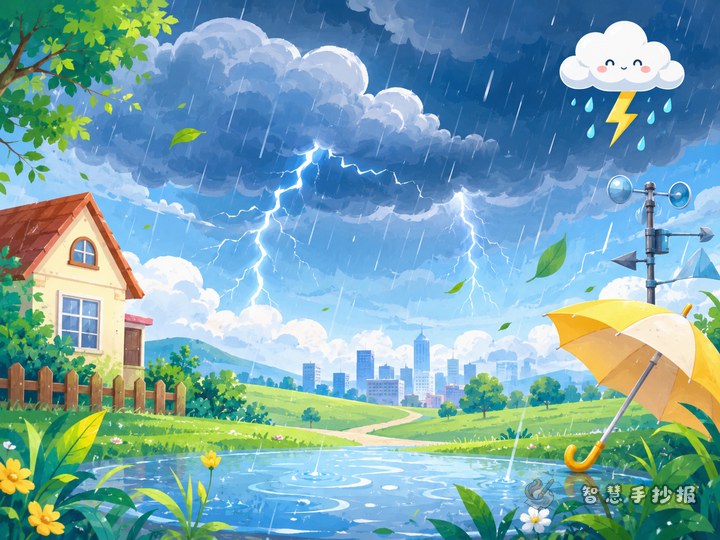
- Raindrops, clouds, and sunshine to show changing weather.
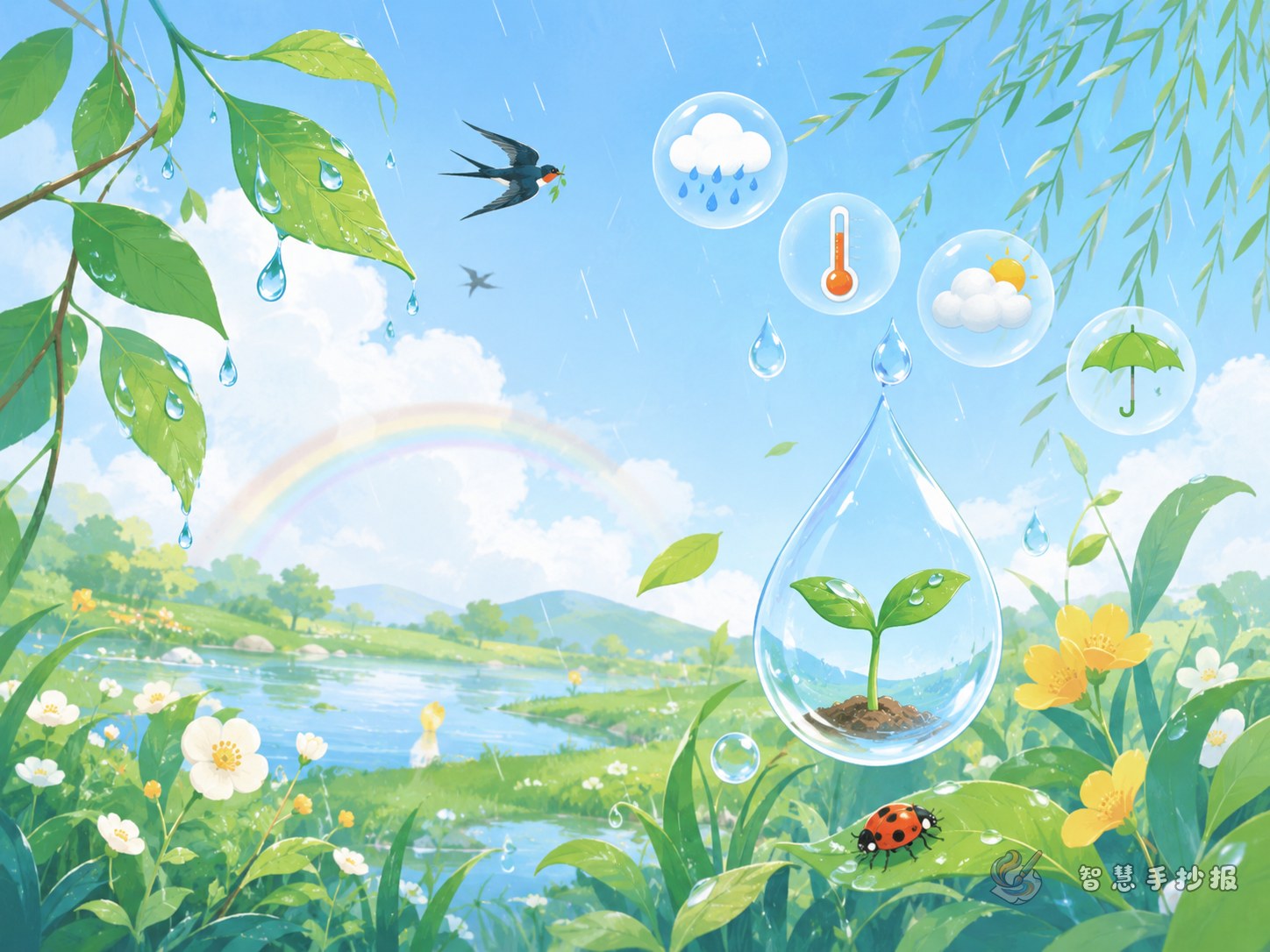
- Seedlings, tea leaves, and flowers to show growth and spring energy.
- Swallows, frogs, or snails to show the season.
- Field borders or water-ripple borders to unify the page.
Leave some breathing room between text and drawings instead of filling every corner. Clean white space often makes a handwritten newspaper look more polished.
A gentle sentence for the ending
You can end with a short line such as “Guyu nourishes all things, and spring moves toward a hopeful harvest.” Or write a personal feeling like “In the fine rain and the new buds, I can see the most beautiful final part of spring.”
If you already have the theme but still need help with layout, you can continue in the Zhihui Shouchaobao WeChat mini program to choose a template, adjust sections, and complete your Guyu handwritten newspaper more easily.