Choose a practical and specific angle
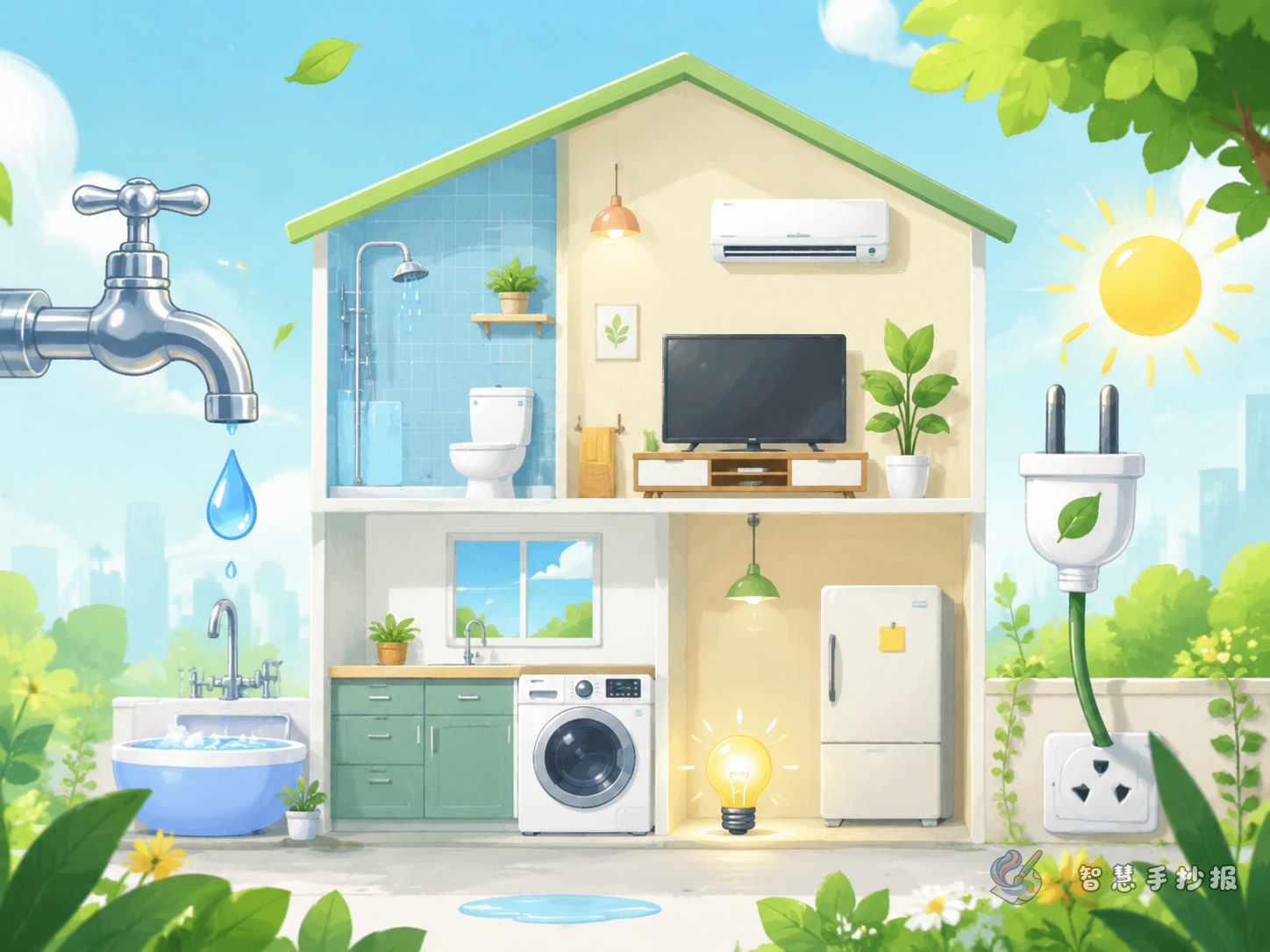
For a water and electricity saving poster, a focused topic like Where is water and electricity most often wasted at home? works very well. It feels close to everyday life, gives students clear ideas to write about, and makes the whole poster more meaningful and easier to organize.
You can use a main title about waste at home and add a subtitle such as “Start with me, save every resource.” This kind of topic helps turn abstract environmental ideas into simple actions children can understand.
Useful sections to include on the poster
- Common waste we notice: mention dripping taps, washing hands for too long, leaving lights on, or keeping TV and chargers on standby.
- Easy saving tips: include reusing water for plants, washing vegetables in a basin, using daylight, and unplugging devices when not needed.
- My action plan: write what a student can do every day, such as turning off the tap tightly and switching off lights when leaving a room.
- Slogan corner: add short and memorable lines to make the page more eye-catching.
Text materials that can be copied directly
Short slogans
- Save every drop, share the future.
- Turn off the light, keep green in sight.
- Use water and electricity wisely every day.
- Small savings make a big difference.
Short paragraph ideas
Water and electricity are important resources in daily life. We need them for washing, cooking, studying, and lighting. If we use them carelessly, a lot can be wasted. Even young students can help by building good habits and paying attention to small actions.
Saving does not mean refusing to use resources. It means using them properly. Use what is needed, and stop waste in time. A poster with practical examples will feel more sincere and more suitable for school activities.
How to arrange the poster clearly
A simple layout with a big title in the center works well. Put water-saving actions on one side and electricity-saving actions on the other. At the bottom, add a section for personal promises or slogans. This makes the poster easy to read and visually balanced.
- Use blue and green as the main colors to match the theme.
- Decorate with drops of water, light bulbs, leaves, plugs, or small taps.
- Write key points in short lines instead of long blocks of text.
- Keep the page lively with simple drawings and labels.
Make the poster more lively and child-friendly
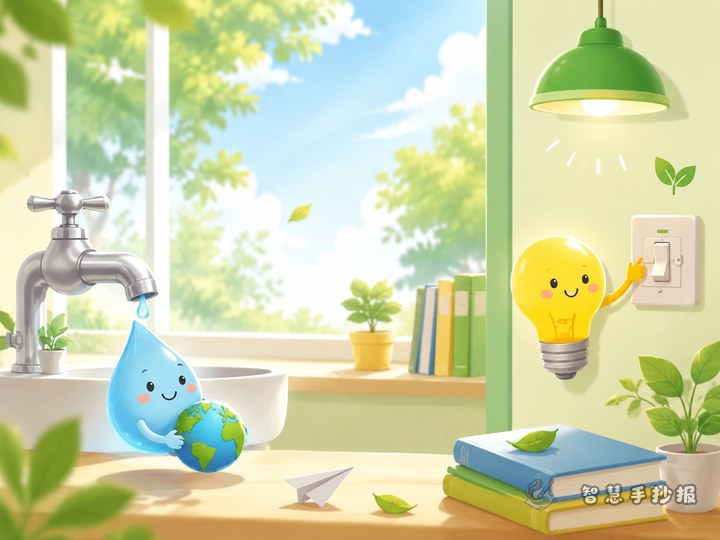
You can turn a tap or a light bulb into a cartoon character and let it “speak,” such as “Please turn me off tightly” or “Let me rest when I am not needed.” This makes the poster more fun and easier for classmates to remember.
Another good idea is to add a checklist called Did I save today? with items like turning off lights, saving water, using less air conditioning, and reusing water when possible. This adds interaction and gives the poster a stronger classroom feel.
A simple ending for the final part
You can end with a short message: saving water and electricity is not just a slogan, but a daily habit. When everyone starts with small actions, homes, schools, and the environment can all become better.
If you want more ideas for layout, wording, and visual design, you can continue exploring suitable poster-making plans in the Zhihui Shouchaobao WeChat mini program.