Two Threads That Keep the Page Balanced
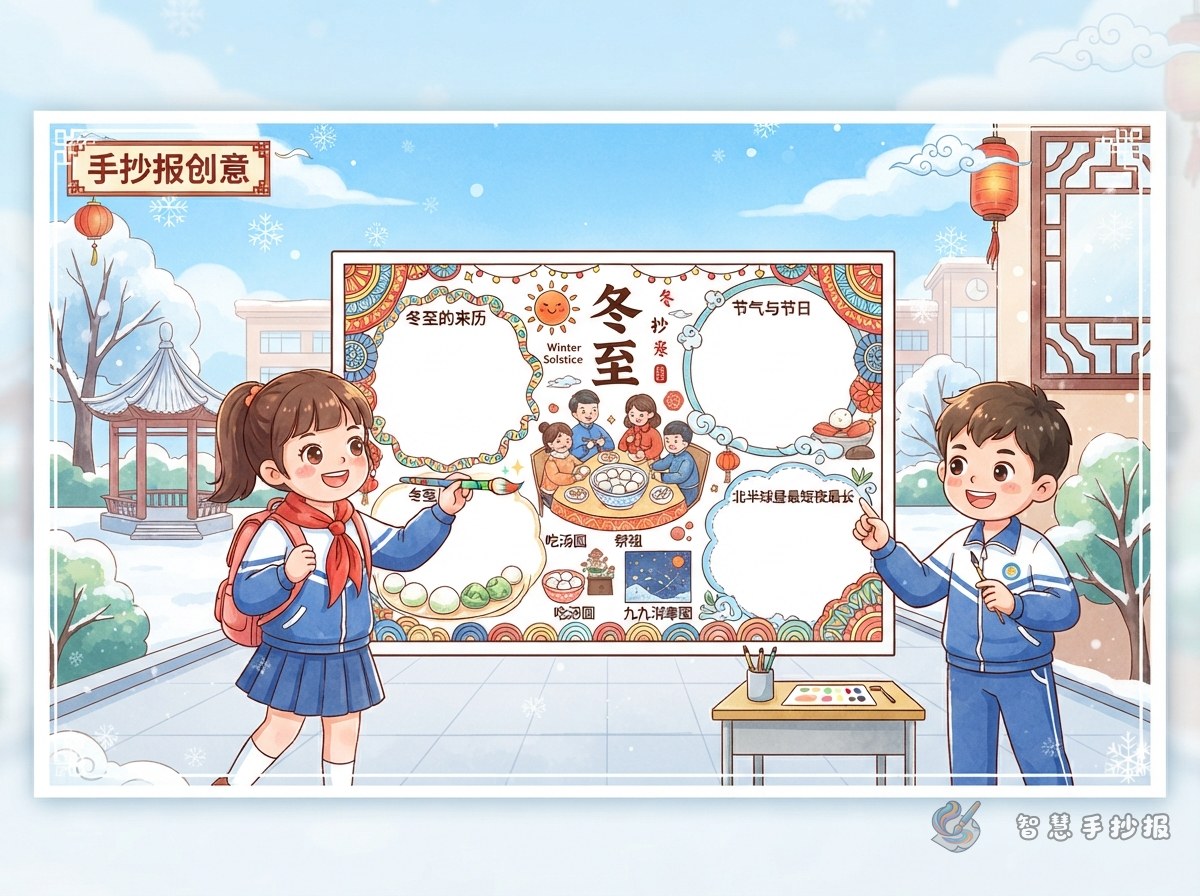
The winter solstice is easy to write about and easy to get wrong, because it is not a festival with parades or fireworks. The simplest solution is to treat it as both a solar term and a traditional festival, and to give each idea its own half of the page.
- Solar-term thread: the winter solstice falls around 21 to 23 December, when the northern hemisphere has its shortest day and longest night. Afterwards the daylight slowly grows.
- Festival thread: older generations said the winter solstice mattered as much as New Year. Families remembered their ancestors, exchanged winter greetings and prepared special food.
Split the page with a vertical line or a row of snowflakes, and readers will understand the structure at a glance.
Writing the Origins Without Sounding Like a Textbook
Begin with the shortest day
Instead of starting with a definition, try a picture: on this day the sun seems to rise late and hurry away early. Then place the winter solstice among the twenty-four solar terms.
Explain ancestor remembrance and winter greetings
In the past, families held ceremonies for their ancestors, visited older relatives and cooked a richer meal than usual. Three or four sentences are enough, finished with the old saying that the winter solstice is as important as New Year.
Mark legends as legends
Northern families often tell a folk story about a warming soup that gave people dumplings to protect their ears from the cold. Write that this is a legend passed down orally rather than a recorded historical event.
A North and South Comparison Fills the Page Fast
Long paragraphs are the quickest way to make a handwritten newspaper look dull. A two-column comparison of customs is easier to read and easier to draw.
- In the north: dumplings are the classic dish, often with a joking rhyme about frozen ears, plus wontons or mutton soup in some areas.
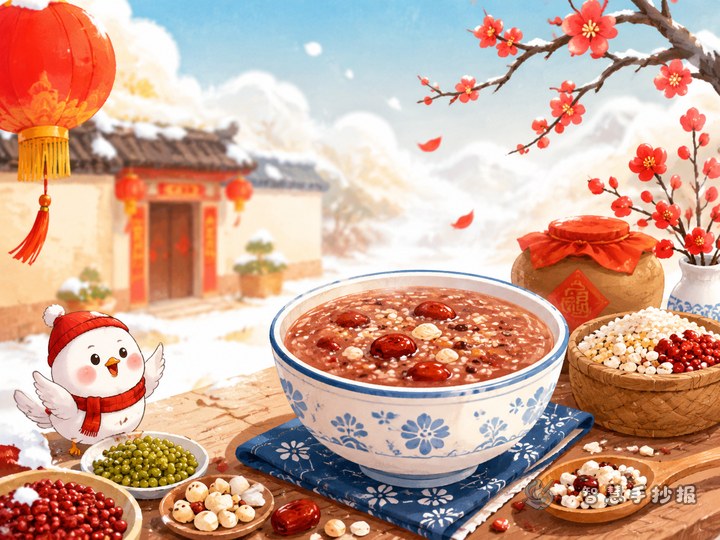
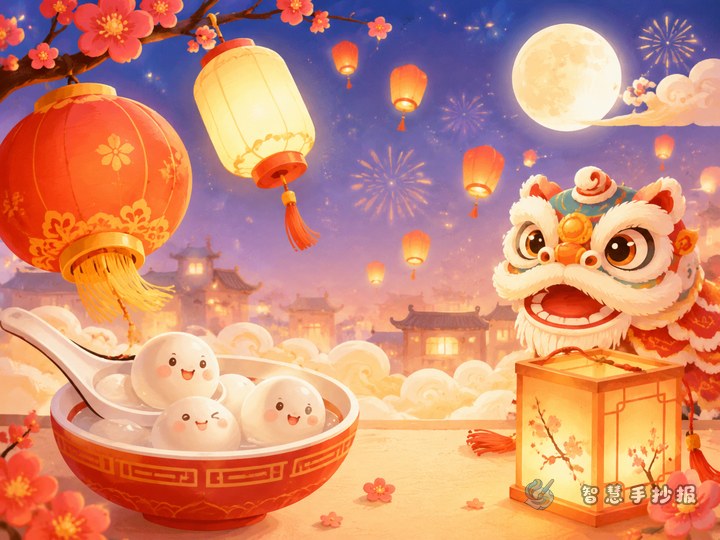
- In the south: sweet rice balls, winter rice cakes and long noodles are common, along with red bean porridge or ginger duck in particular regions.
- What they share: a hot meal eaten together, remembrance of ancestors and greetings sent to older family members.
Add a short note that customs differ from place to place, which is more accurate than saying that everyone in a region does the same thing.
The Counting the Nines Rhyme and the Nine-Nine Chart
The winter solstice marks the first day of the Counting the Nines period: nine days make one "nine", and nine nines make eighty-one days. This section is made for illustration and usually becomes the most eye-catching part of the page.
- Copy a Counting the Nines rhyme, such as the lines about hands staying in sleeves and ice thick enough to walk on. Versions differ by region, so pick one that reads smoothly.
- Draw a nine-nine chart: nine squares, each holding a nine-stroke character, with one stroke shaded in each day. A plum branch with nine flowers of nine petals each works too.
- Add a one-line caption such as "shade one stroke a day, and spring arrives when the chart is finished".
Keep the chart to about the size of a palm so there is still room for writing beside it.
Colours, Borders and Lines You Can Copy
Colour and decoration
Use blue and white for the cold of winter, then add warm red or yellow on titles and food drawings. Borders can be snowflakes, plum blossoms, lanterns, small dumplings or rice balls, or simply a thin wavy line that takes a minute to draw.
Short texts worth copying
- A Tang poem line about the winter solstice bringing the return of spring.
- A line by Bai Juyi about spending the winter solstice night away from home, sitting by a lamp.
- Everyday sayings: the winter solstice is as important as New Year; after eating winter solstice noodles, the day grows a thread longer.
A quick check before writing
- Does the title include the words winter solstice, in the largest letters on the page?
- Is every text block five lines or fewer?
- Is there empty space reserved for the chart or a small drawing?
- Are the student's name and class written in a corner?
Finishing the Layout in the WeChat Mini Program
Once the sections are decided, open the 智慧手抄报 WeChat mini program and choose a winter-themed layout. Placing the text boxes and the chart first makes the final copy much tidier, and students can adjust the arrangement before writing anything in pen.