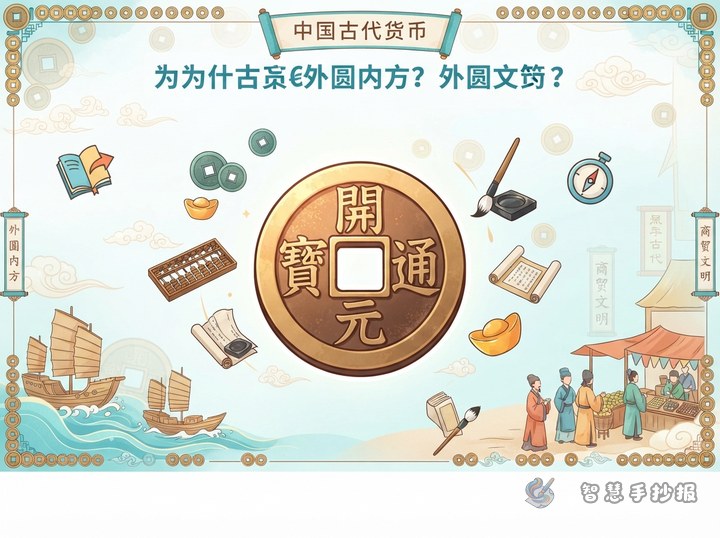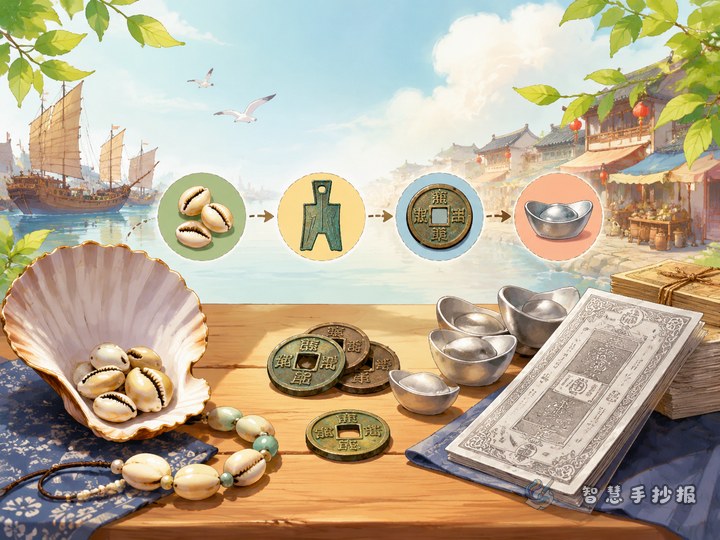
Begin with One Ancient Business Record
This handmade newspaper can focus on the question “How did ancient merchants keep records and trade?” It connects money, goods, transactions, and trust. Merchants needed to record purchases, sales, debts, and settlements. These records helped them understand income and expenses and gave long-term business partners a basis for cooperation.
An opening line could be: Every recorded transaction reflects human wisdom and the growth of organized commerce.
Four Sections to Include
- Inside an Old Ledger: Explain that merchants recorded the names and amounts of goods, prices, payments, and debts.
- How Was a Deal Calculated? Use a simple example, such as buying one roll of cloth and selling two, to introduce cost, selling price, and profit.
- Money, Goods, and Trust: Show how currency made exchanges easier, while accurate records and honest agreements built commercial trust.
- A Merchant’s Day: Describe checking goods, reviewing accounts, meeting customers, and settling payments.
Text You Can Copy into the Newspaper
The growth of ancient commerce depended on accurate records. Through ledgers, merchants could see where goods came from and where they were sold. As trade became more active, common forms of money, practical calculation, and honest dealing became increasingly important. A ledger may contain only a few lines, but it connects goods, money, and agreements between people.
Possible subheadings include “Wisdom in an Old Ledger,” “Calculating Every Deal,” and “Trust Takes Trade Further.” For the ending, write: From one coin to a complete ledger, ancient commerce grew through record-keeping, exchange, and trust.
Turn the Ledger into an Interesting Layout
Try a horizontal layout. Draw an open ledger and a writing brush on the left, place a “buy, transport, sell, settle” process across the center, and add small drawings of coins, cloth, grain, and a balance on the right. Make the main title look like large writing on a ledger page. Bamboo-strip lines, seal-shaped details, and repeated number marks can decorate the border without repeating a coin-pattern theme.
Use cream, vermilion, ink black, and blue-green as the main colors. Leave enough blank space for the text. Keep the numerical example simple, and make sure the title, illustrations, and short paragraphs have clear visual levels.
Final Checklist
- Choose one central question and three or four sections.
- Keep each paragraph short and turn long explanations into clear points.
- Place the main drawings before filling every text area.
- Check that the prices and calculation example remain consistent.
To finish the page more efficiently, use a suitable layout in the Wisdom Handwritten Newspaper WeChat mini program, then adjust the sections and colors to match the student’s grade and writing style.