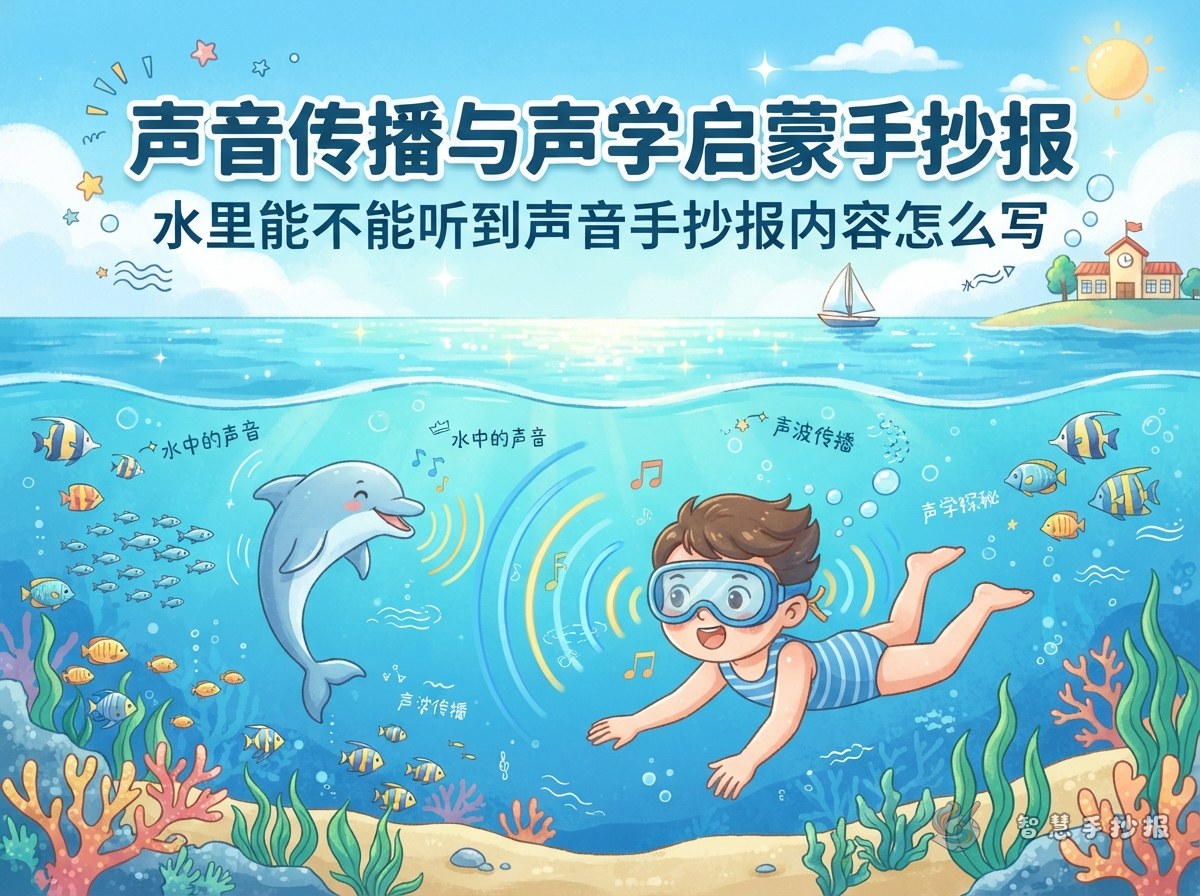
Begin with the Question: Can Sound Travel Underwater?
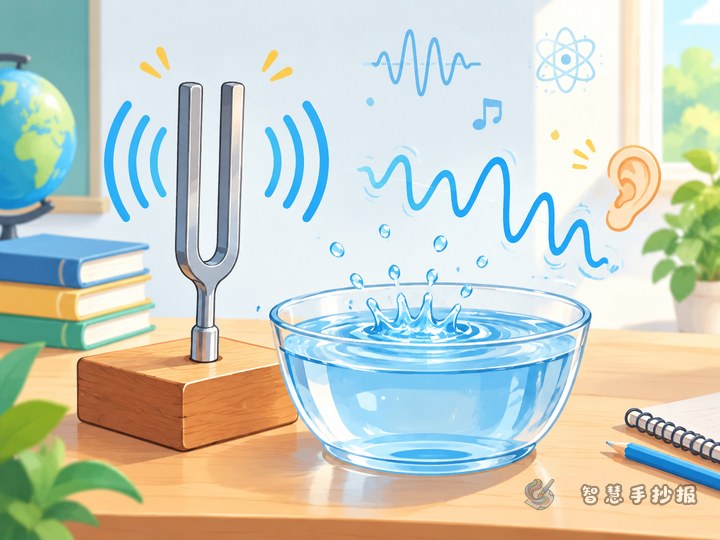
This handwritten newspaper can focus on how sound travels through water. Many children think sound only moves through air, but water, desks, rails, and many other materials can also carry sound. A good opening box could ask: Why can we hear a tapping sound when a cup of water is gently knocked? This everyday question makes the science topic easier to understand.
Short Facts Students Can Write
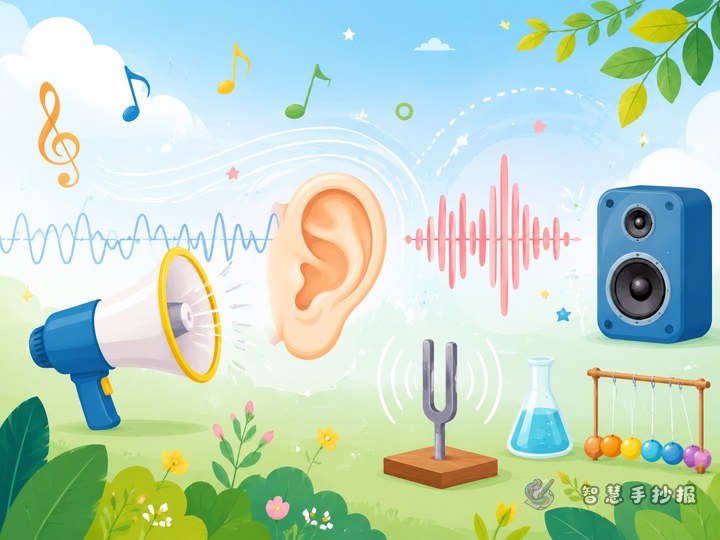
- Sound comes from vibration: When we clap, speak, or tap an object, something is vibrating.
- Water can carry sound: Tiny particles in water pass the vibration along, so sound can move through water.
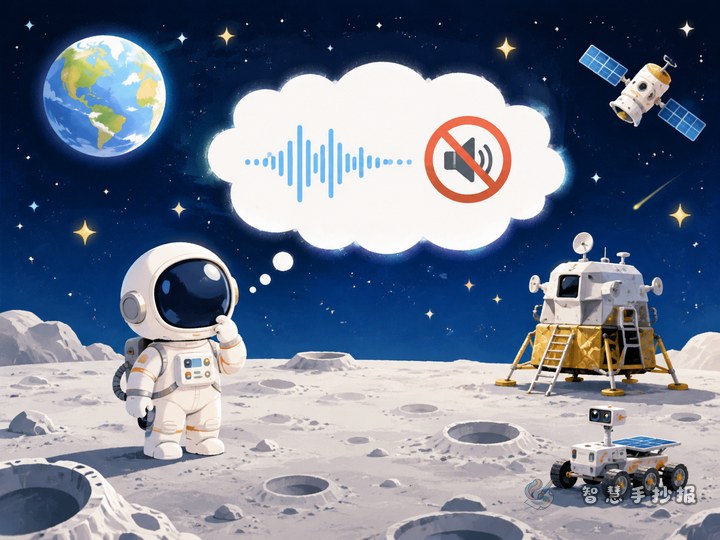
- Sound travels through different materials: It can move through gases, liquids, and solids, but not through a vacuum.
- Underwater sound may feel unclear: Our ears are mainly used to hearing in air, so sounds underwater may seem dull or hard to locate.
Add a Simple Cup Sound Experiment
Set aside a small experiment area in the newspaper. Keep the steps short and safe:
- Prepare a clear cup and fill it halfway with water.
- Tap the side of the cup gently with a pencil.
- Listen to the sound in the air, then listen again near the cup or through the desk.
- Write down what changes: Is the sound louder, softer, clearer, or duller?
Remind students not to hit glass too hard and to do the activity with an adult or teacher nearby.
Design It Like a “Sound Travel Map”
Divide the page into three areas. On the left, draw water drops, a cup, and ripples. In the middle, show sound waves moving from the tapping point. On the right, draw a child doing the experiment and a small note box for discoveries. Blue, turquoise, and light purple work well for this theme.
Useful Mini Headings
- How Does Sound Move in Water?
- Air, Water, and Solids: Which Can Carry Sound?
- Sound Around Us
- Protect Our Ears
To organize the text, columns, and layout more quickly, students and parents can open the Zhihui Handwritten Newspaper WeChat mini program and continue making a classroom-friendly science poster.