Start with One Big Science Idea
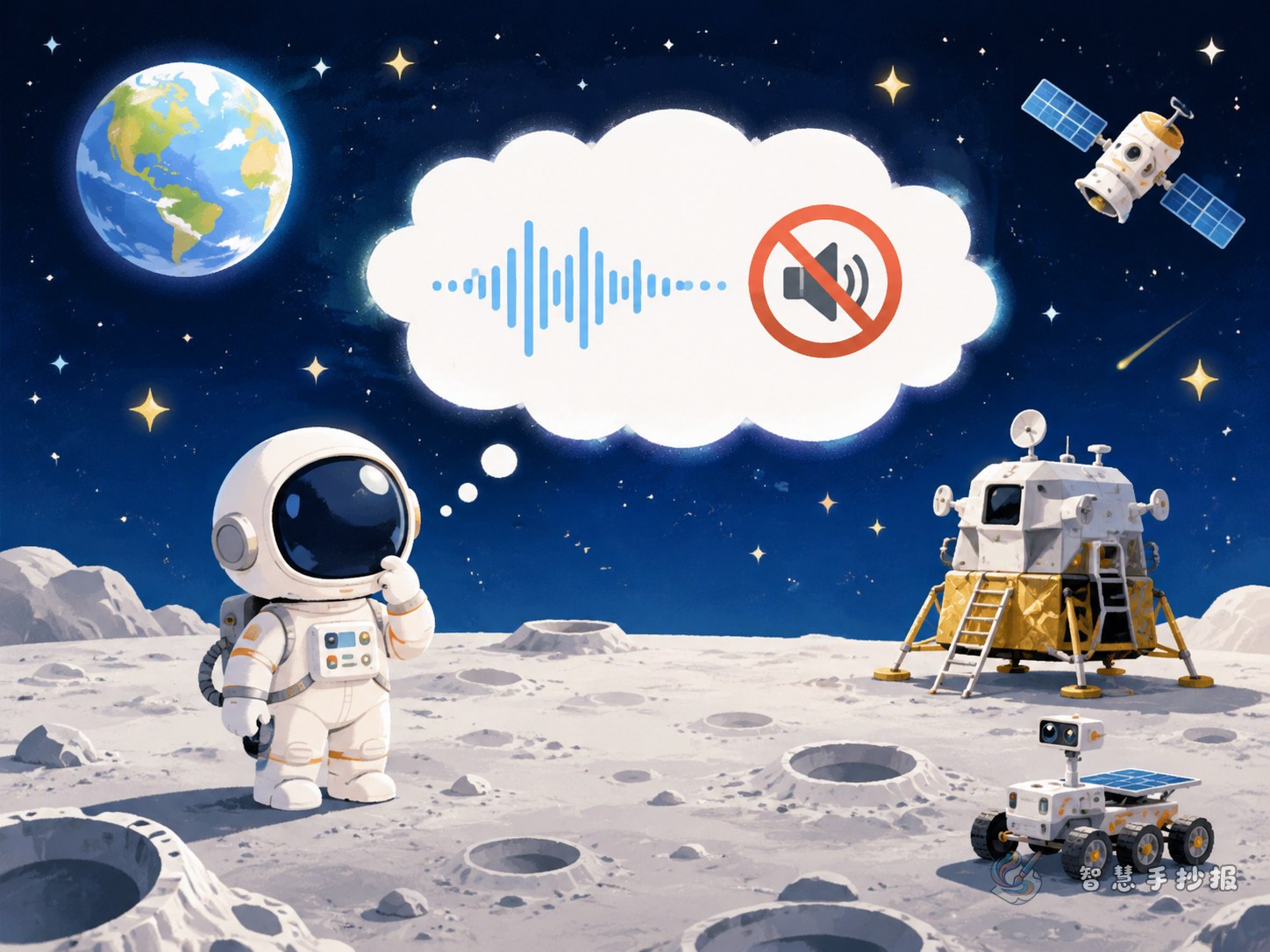
The clearest way to introduce this topic is with one sentence: sound needs a medium to travel, and the Moon’s outer environment is close to a vacuum, so ordinary sound is hardly heard there. If this sentence is placed near the title, the whole handwritten newspaper becomes easier to understand.
For younger students, it helps to explain it in simple words: sound needs a path. Air, water, and solids can act as that path, but the Moon does not have normal air around it like Earth does.
Ready-to-Use Content for the Page
What is sound travel?
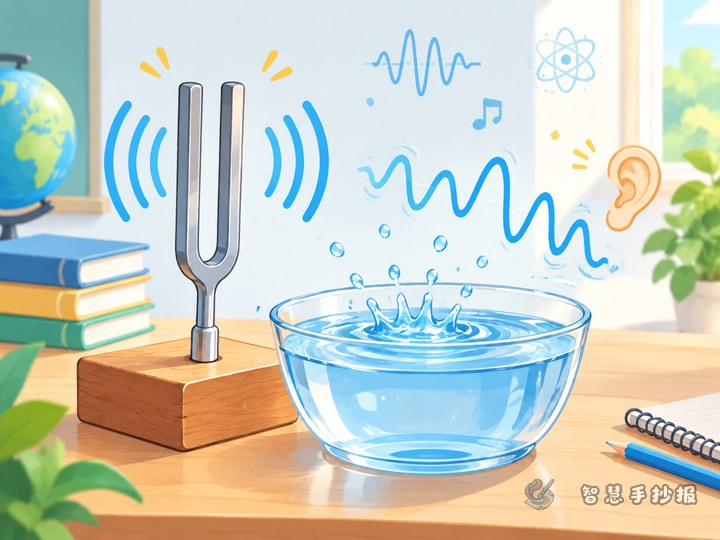
Sound is made when objects vibrate. Those vibrations usually need air, water, or solids to move from one place to another. That is why we can hear talking, music, bells, and many daily sounds on Earth.
Why is the Moon different?
The Moon does not have an environment like Earth’s atmosphere. Its outer surroundings are close to a vacuum, so ordinary sound cannot travel easily there.
How do astronauts communicate?
Astronauts do not depend on open-air sound on the Moon. They use devices in their suits and helmets. These devices send voice signals so other astronauts can hear them.
Earth and Moon comparison
- Earth: has air, so everyday sound can travel.
- Moon: near vacuum outside, so ordinary sound travel is difficult.
- On Earth, a shout can be heard from a distance. On the Moon, it does not work in the same way.
A Layout Idea That Looks Clear
This topic is perfect for a comparison-style page. Divide the handwritten newspaper into two parts: one side for “Sound on Earth” and the other for “Sound on the Moon.” Put the key idea in the center: whether there is a medium for sound.
- Left side: talking, drums, bells, and sounds in daily life.
- Right side: near vacuum, ordinary sound cannot spread normally, communication equipment is needed.
- Center box: sound travel depends on conditions.
This makes the page easier to read and more visual than a block of text.
Simple Experiment and Thinking Corner
You cannot go to the Moon, but you can still help readers understand the idea with simple examples.
- Place your ear near a desk and tap it lightly to feel that solids can carry sound.
- Listen to a voice from a distance in a quiet room and notice how air helps sound travel.
- Ask a thinking question: if there were no air, would sound still reach your ears in the usual way?
This kind of section makes the handwritten newspaper more lively and helps students connect science to daily experience.
Short Lines for Copying and a Good Ending
These short lines fit well in text boxes:
- Science note: Sound usually needs a medium to travel.
- Moon fact: The Moon’s outer environment is close to a vacuum, so ordinary sound is hard to hear there.
- Learning point: Astronauts communicate with equipment, not by normal open-air sound.
A nice ending could say that this topic teaches us sound does not travel everywhere in the same way. If students want to keep improving the title art, section arrangement, or neat page design, they can continue creating in the Zhihui Shouchaobao WeChat mini program.