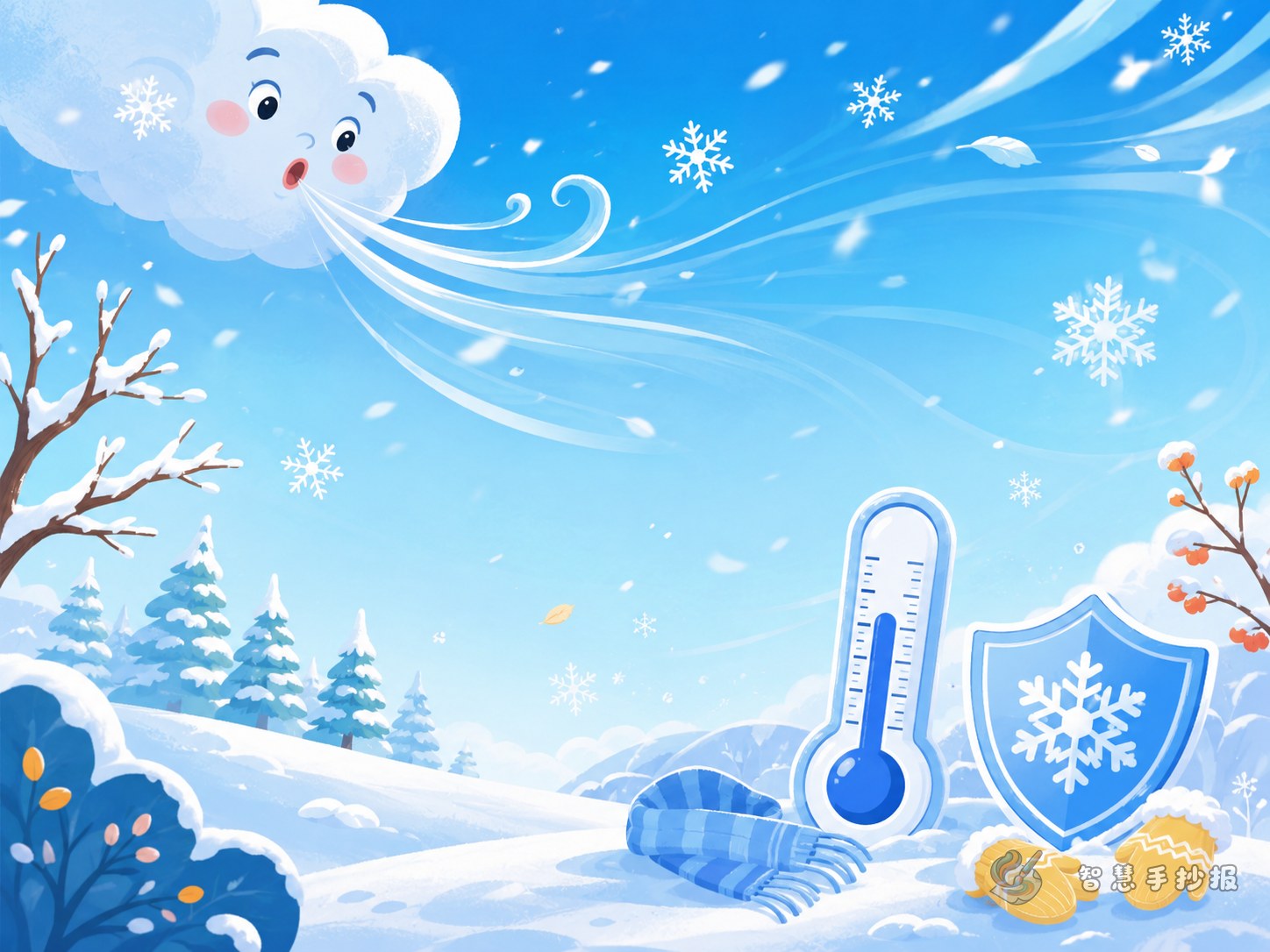
Start with a clear idea: explain what a cold wave is
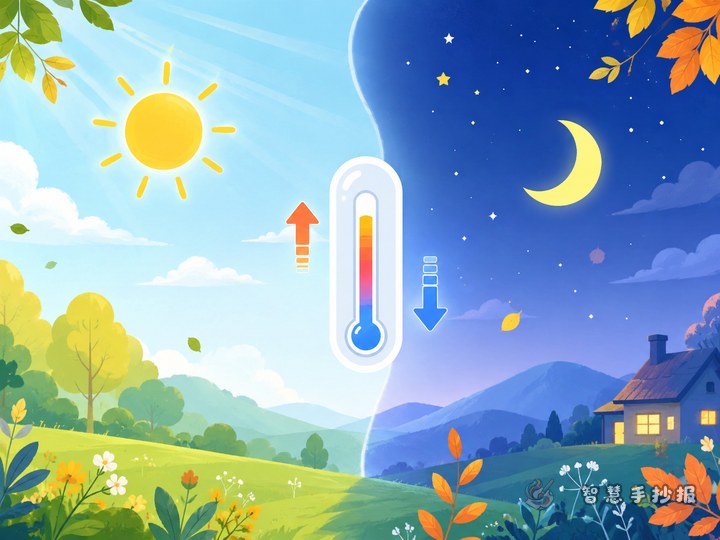
This poster topic works best when it focuses on what a cold wave is, what changes it brings, and how people can stay safe. Unlike a general winter theme, a cold wave highlights sudden temperature drops, strong winds, snow, freezing conditions, and real-life safety tips.
A good title can be “What Should We Do When a Cold Wave Arrives?” or “Understanding Cold Waves and Winter Safety.” That makes the page feel scientific but still easy for children to understand.
Useful sections for the poster
Section 1: Cold wave facts
- A cold wave is a strong mass of cold air moving quickly across a large area.
- It often brings rapid cooling, strong winds, snow, sleet, or icy roads.
- It is more than just cold weather because the change is fast and noticeable.
Section 2: Signs a cold wave is coming
- Weather forecasts warn about falling temperatures and stronger winds.
- The air may feel drier and colder.
- North winds often become more obvious.
Section 3: How it affects daily life
- People may catch colds more easily and need warmer clothes.
- Students should be careful during school commutes and outdoor activities.
- Plants and crops may be damaged by frost.
- Roads can become slippery and travel can be less safe.
Short text students can use directly
A cold wave is a weather event caused by strong cold air moving in quickly. It usually brings lower temperatures, strong winds, rain or snow, and freezing conditions. Learning about cold waves helps us understand weather changes and reminds us to stay warm, stay safe, and pay attention to forecasts.
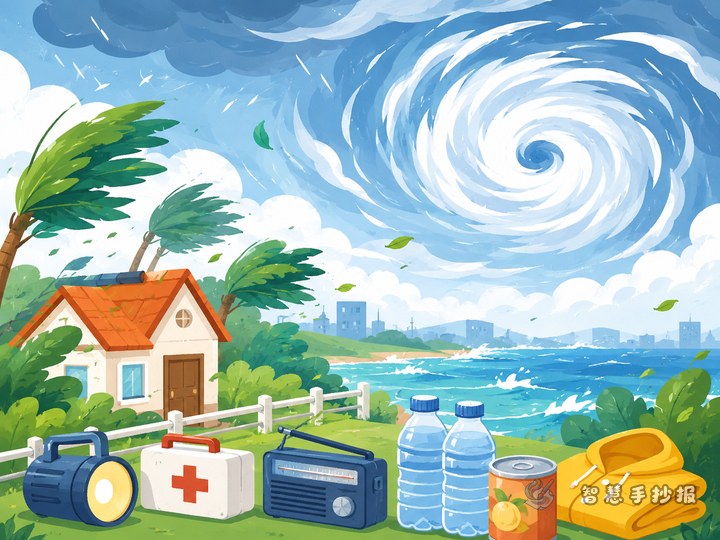
You can also add a simple safety note: When a cold wave warning appears, prepare a coat, hat, gloves, and warm shoes. Being ready is one of the best ways to respond to sudden weather changes.
Layout ideas for a neat handwritten poster
A smart layout is a large central title with four surrounding sections. The sections can be “What Is a Cold Wave,” “Weather Changes,” “Effects on Life,” and “Safety Tips.” This makes the poster easy to read and easy to decorate.
- Use blue, white, and light gray as the main colors.
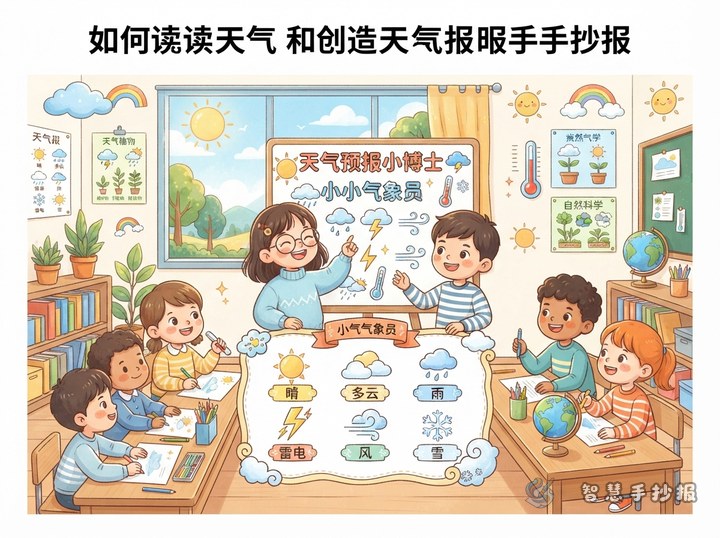
- Add small drawings such as snowflakes, scarves, mittens, wind lines, and thermometers.
- Highlight key words like “cooling,” “wind,” “icy roads,” and “keep warm.”
- If the text feels short, add icons and small tip boxes to fill the space nicely.
How to finish the poster well
Instead of ending with only “We should keep warm,” try a fuller conclusion: Weather changes are closely connected to everyday life. Learning to read forecasts, notice cold wave warnings, and use basic winter safety skills is an important part of weather science.
If you want to keep improving the page, you can continue designing in the Zhihui Shouchaobao WeChat mini program and refine the title style, layout, and writing blocks for a cleaner final poster.