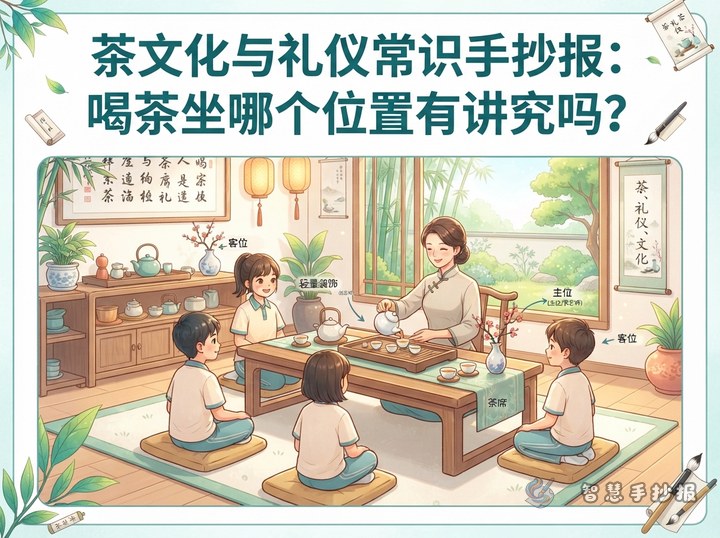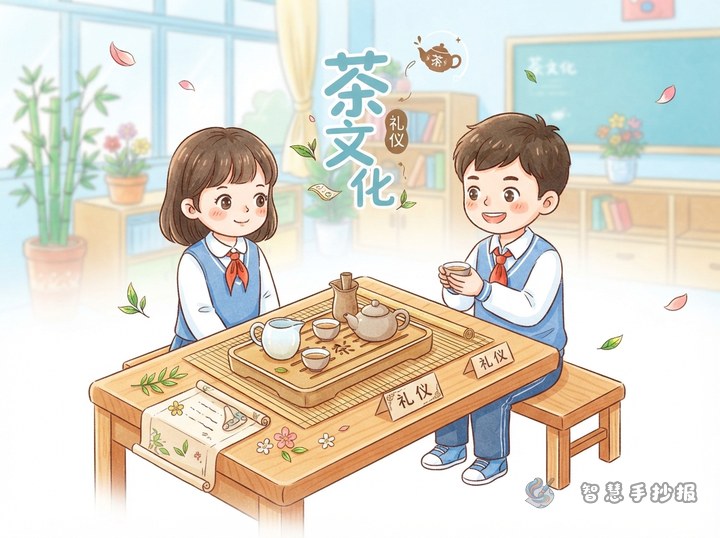
Keep the Theme Easy for Beginners
A handwritten newspaper about first-time tea etiquette should feel simple and approachable. The goal is not to show difficult knowledge, but to help readers understand tea manners quickly. Under the main title, you can add a short line such as Learning tea etiquette means learning respect and good manners.
This opening helps define the main idea: tea etiquette is about behavior, courtesy, and calm communication while drinking or serving tea.
Useful Sections to Include
What Tea Etiquette Means
Write two or three sentences explaining that tea etiquette is part of traditional Chinese culture. It is not only about tea itself, but also about the respectful way people serve, receive, and enjoy it together.
Basic Rules for First-Time Learners
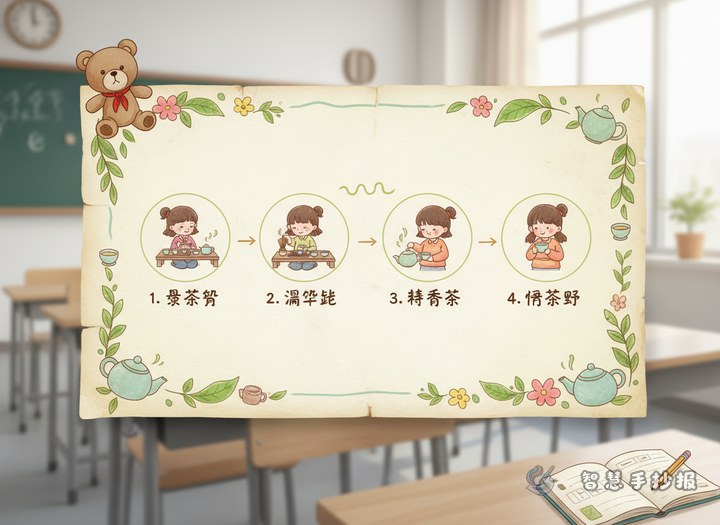
- Keep your hands and appearance neat.
- Receive tea with both hands when possible.
- Say thank you after someone serves tea.
- Drink quietly and avoid loud behavior.
- Show respect to elders before drinking.
Tea Manners Children Can Practice
This section can connect the topic with daily life. For example, students can learn to hand tea carefully to elders at home, stay quiet during a tea performance, and avoid treating the tea table like a play area.
Short Lines for Copying
If there is extra space, use short phrases to make the page more vivid and easier to read.
- A cup of tea begins with courtesy.
- Tea has fragrance, and manners have warmth.
- Learning tea etiquette means learning calm respect.
- Serving tea is also a way to share kindness.
You may also add a short note that tea in Chinese culture often represents hospitality, self-discipline, and communication.
Make the Layout Clean and Gentle
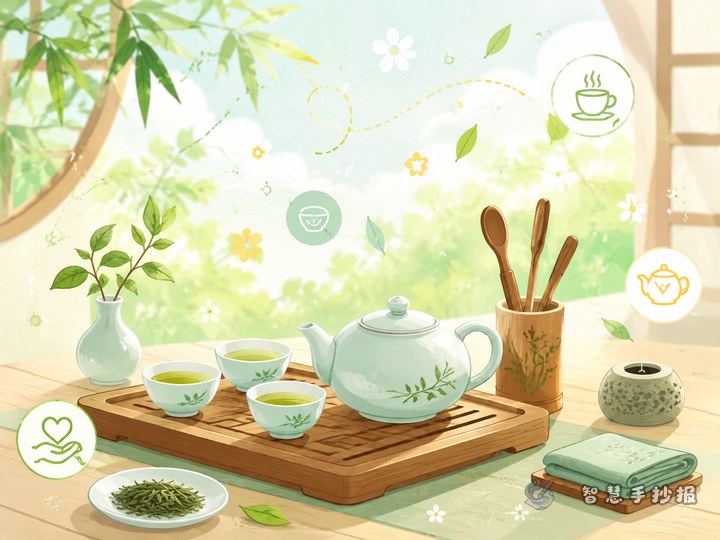
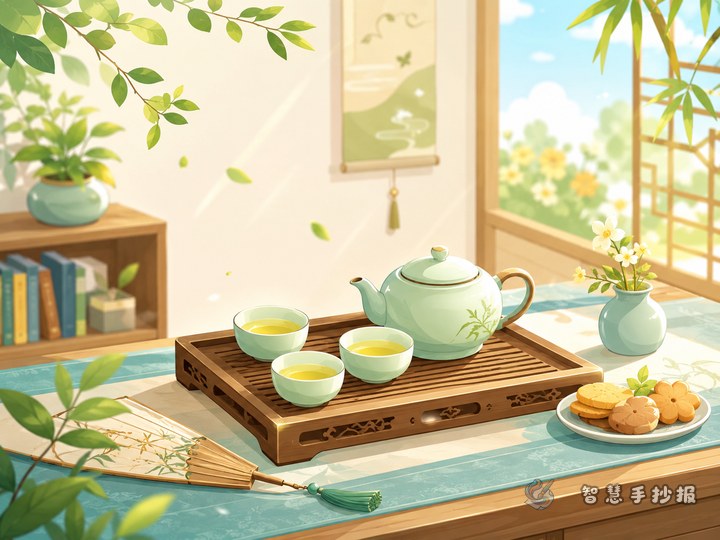
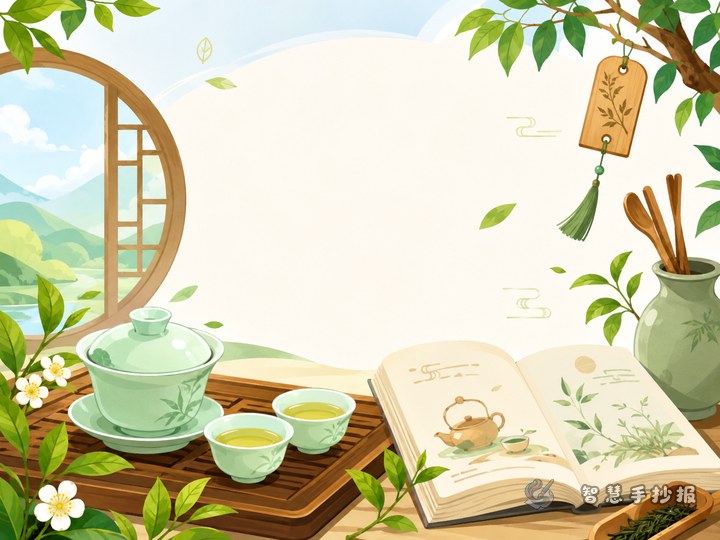
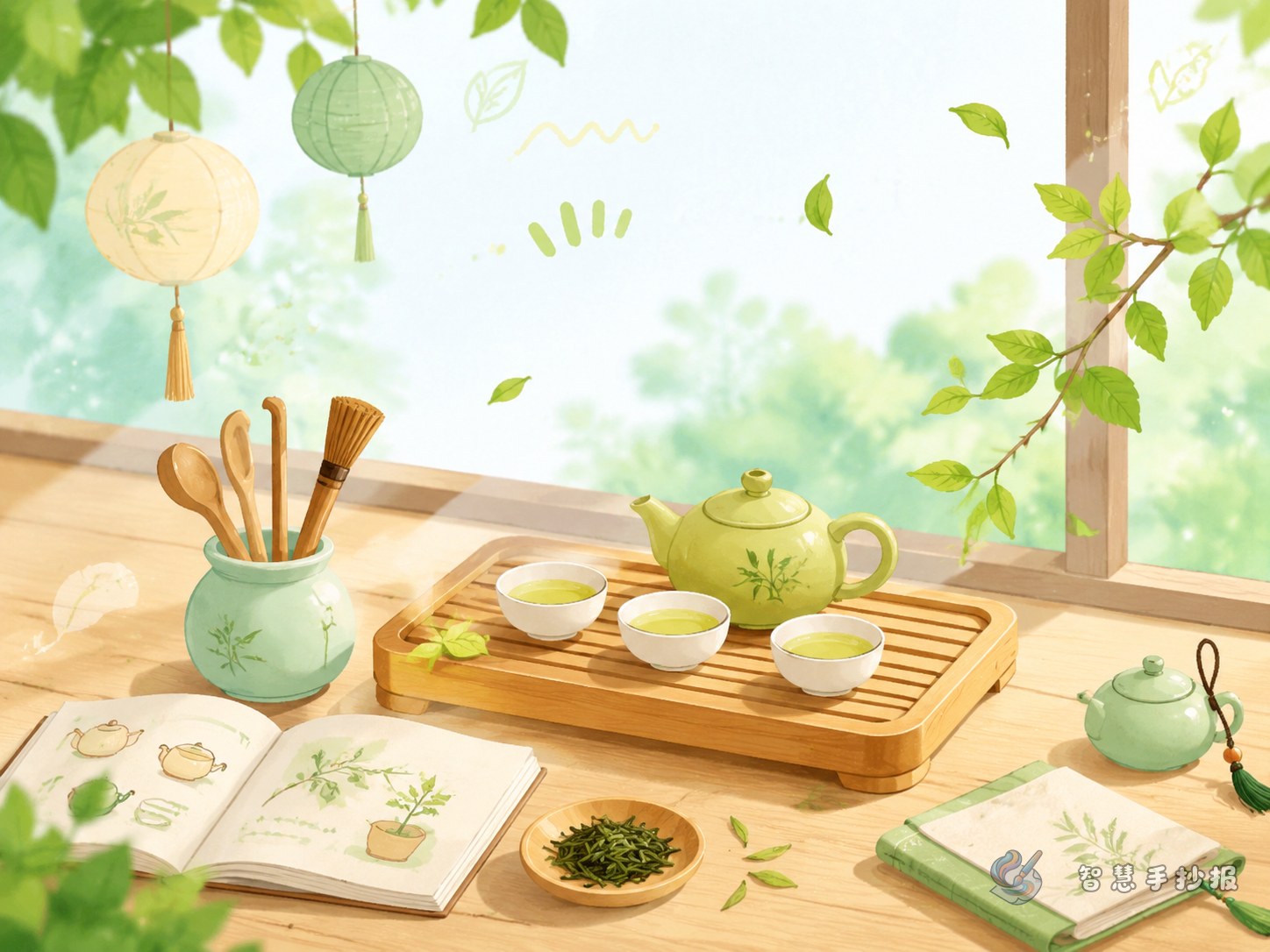
This topic looks good with light green, beige, or soft brown colors. Use a larger title and decorate the page with tea leaves, teacups, steam lines, or simple borders. Try not to fill every corner with text.
- Place the main title and a short quote at the top.
- Use two columns in the middle for etiquette points and explanations.
- Add a small fact box at the bottom for tea culture notes.
For younger students, use shorter sentences and bullet points. For older students, a short reflection on respect and tea culture can make the work feel richer.
A Good Ending for the Page
You can finish with a gentle closing sentence such as From one cup of tea, we learn quietness, respect, and good manners. This gives the handwritten newspaper a complete and thoughtful ending.
If the content is ready and you want to improve the lettering, colors, or page arrangement, you can continue designing in the Smart Handwritten Newspaper WeChat mini program.