Build the theme around two simple rules
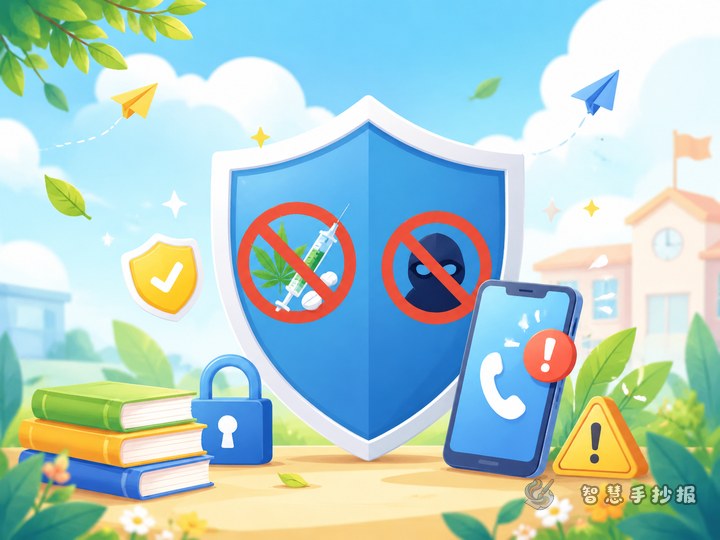
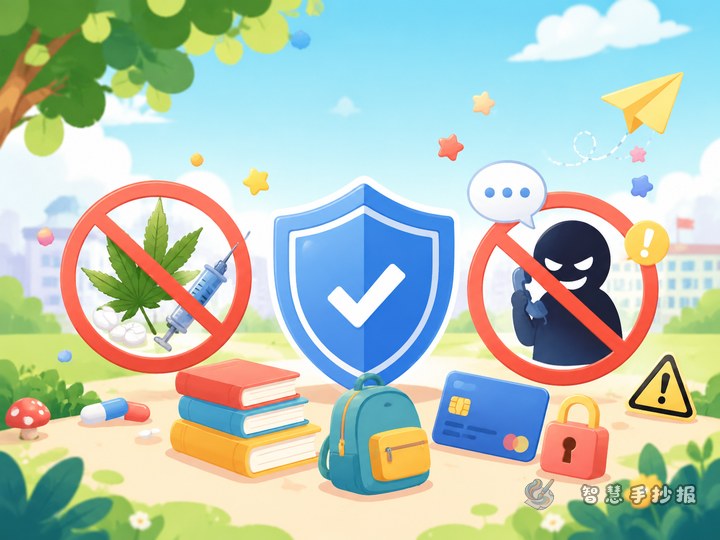
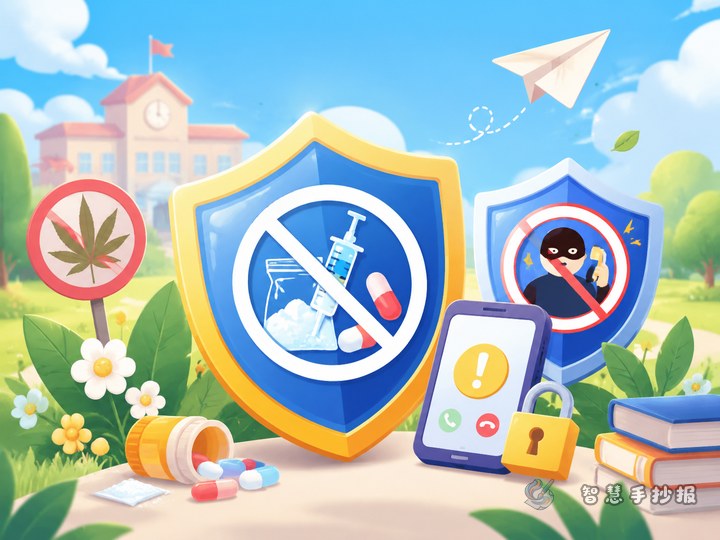
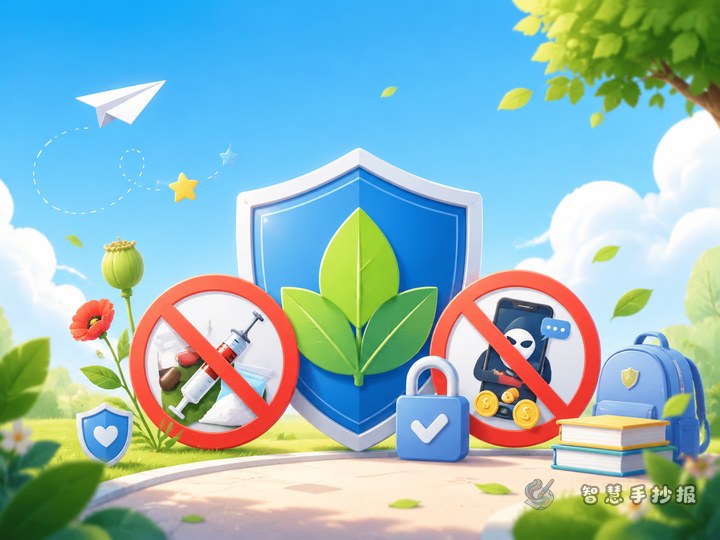
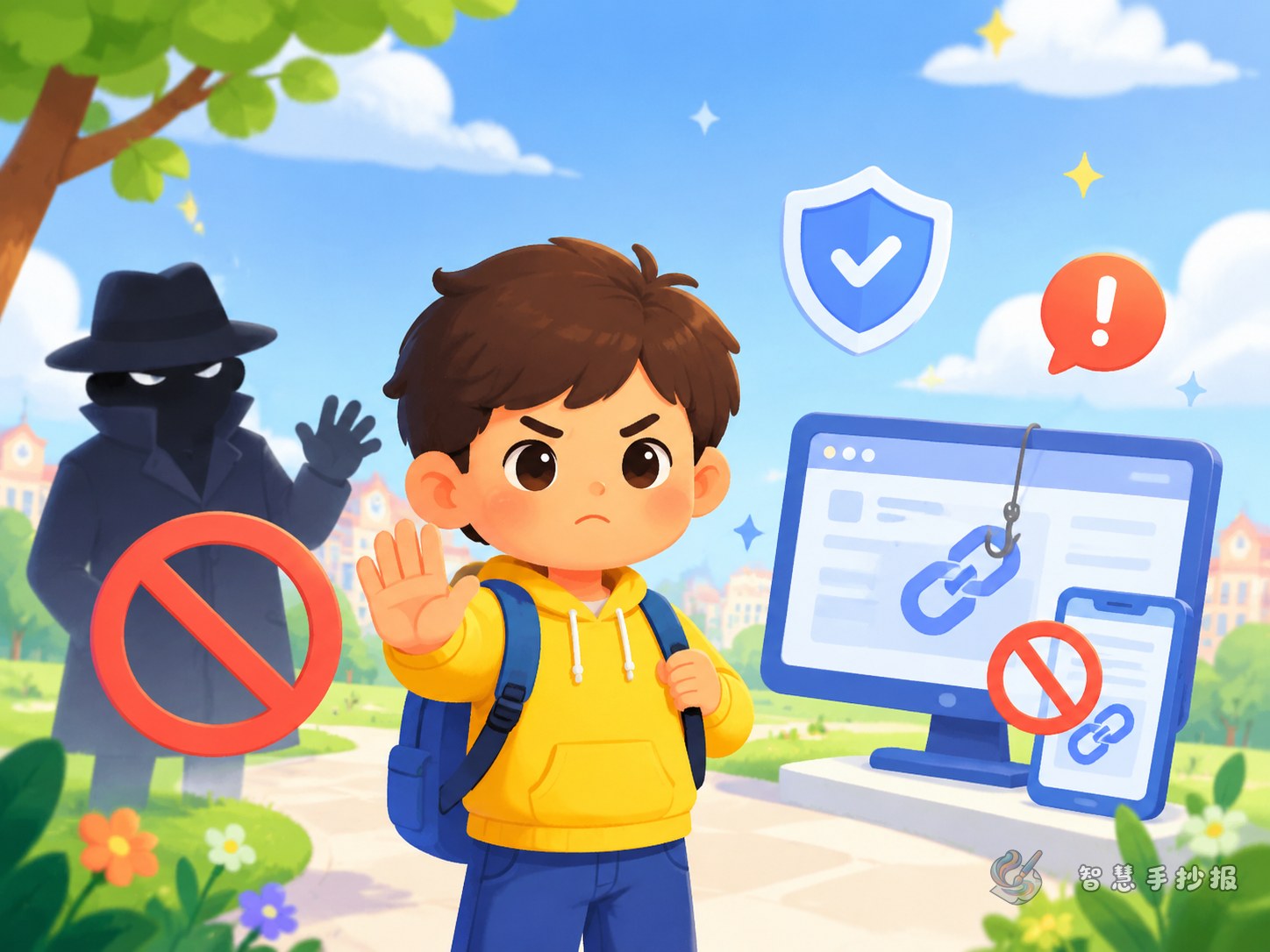
This handwritten newspaper can be centered on don’t go with strangers, don’t click unknown links. It is easy for children to understand and naturally connects anti-drug awareness, scam prevention, and self-protection. The goal is not to fill the page with slogans, but to help readers pause, think, and make safe choices.
You can use a title like “Stay Away from Strange Temptations, Stay Alert to Suspicious Messages” and add a short subtitle such as “Protect yourself with calm thinking and smart actions.”
Four useful sections for the page
Section 1: Warning signs I should notice
- A stranger offers snacks, drinks, gifts, or a ride.
- Someone says, “Don’t tell your parents or teacher.”
- A message promises prizes, cheap game items, or easy money.
- A person asks for payment, QR scanning, passwords, or verification codes.
Section 2: How I protect myself
- Say no and do not accept suspicious things.
- Move away from the person, place, or message.
- Ask a trusted adult for help right away.
- Save screenshots or messages if it involves online fraud.
Section 3: Short lines for the poster
- Be kind, but stay alert around strangers.
- Do not click random links or share private codes.
- Small gifts may hide big danger.
- Stay away from drugs and grow up safely.
Section 4: My safety promise
Write a short first-person paragraph: I will not take suspicious items from strangers, I will not share family information online, and I will ask adults for help when something feels wrong.
Use real scenes instead of empty slogans
A strong handwritten newspaper should include concrete examples. This helps children understand what danger can look like in daily life.
Scene 1: A stranger talks to you after school. If someone says they know your family or offers treats and asks you to go with them, do not follow. Stay in a public place and contact a parent or teacher.
Scene 2: A prize message appears on a phone. If a message says you won a gift, free game skin, or discount recharge, it may be a scam. Do not click, do not fill in information, and ask an adult to check it first.
Try a left-and-right page layout
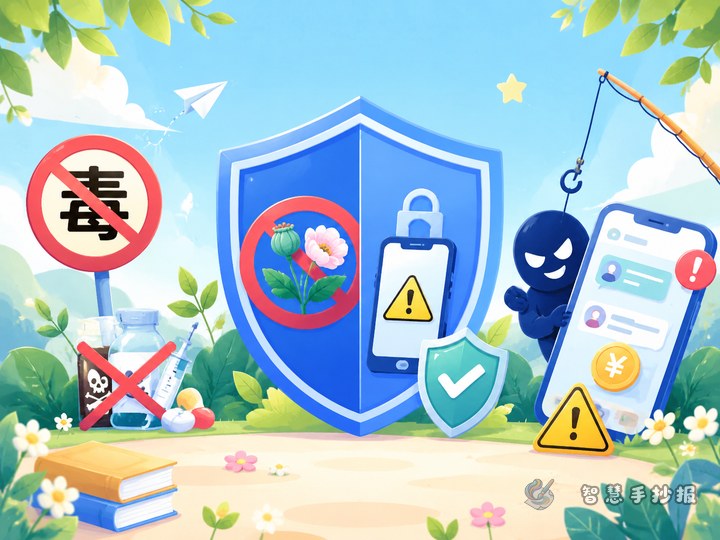
To make the page easier to read, split it into two sides. The left side can focus on strange temptations in real life, while the right side can focus on online scams. Put a central shape in the middle, such as a shield or circle, with the words “Stay calm and ask for help.”
- The left side can include school gate or road safety scenes.
- The right side can include phones, links, message bubbles, and fake prize icons.
- The center can hold your main safety reminder.
Use blue, green, and orange as the main colors, with a small amount of red for warning points. This keeps the page bright but still serious enough for the topic.
End with a line that inspires action
Instead of writing only “I will stay safe,” try a stronger closing sentence: Starting today, I will learn to spot danger, question suspicious messages, and ask for help in time.
If you want to improve the layout, title style, or section arrangement, you can continue creating in the Smart Handwritten Newspaper WeChat mini program and make the whole page more complete.