Start with a clear theme that links writing and meaning
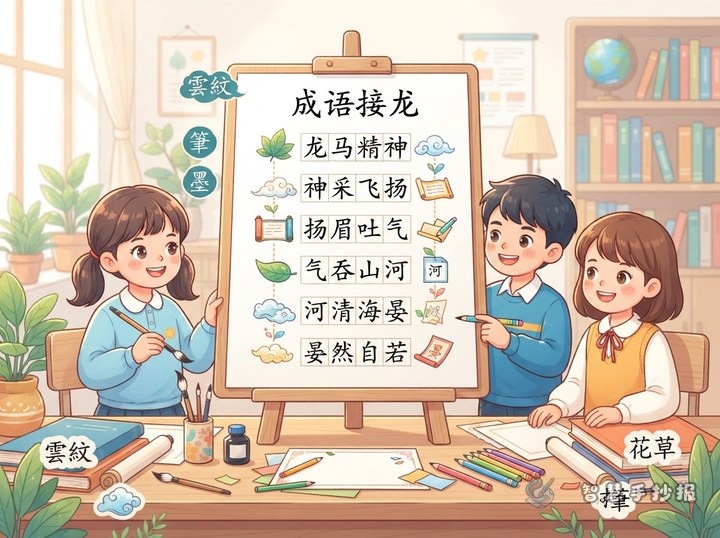
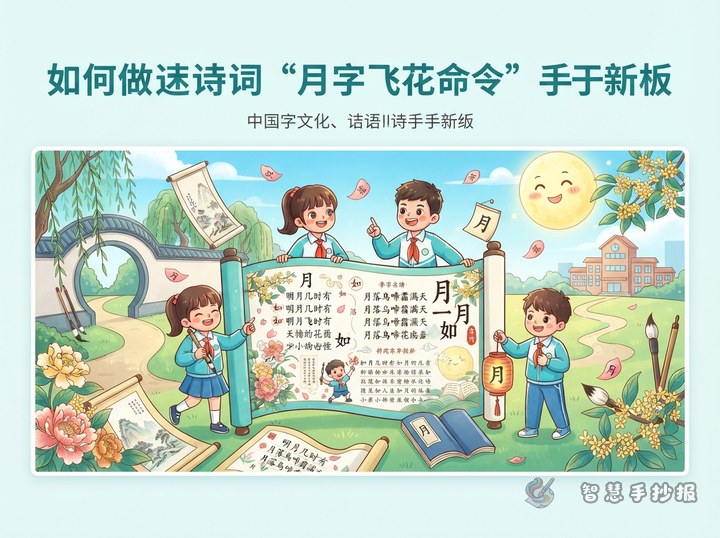
This kind of handwritten newspaper becomes more interesting when it combines the beauty of Chinese character writing with the wisdom of idioms. Instead of treating them as two separate topics, connect them under one simple idea, such as “Ink, Characters, and Wisdom” or “Beautiful Writing, Powerful Idioms.”
A clear central sentence helps the whole page stay focused. For example: “Learn from idioms while appreciating the beauty of Chinese characters.”
Choose the right amount of content
Do not overcrowd the page. Three to five idioms are enough for a balanced layout. Each idiom can follow the same small structure so the newspaper looks organized.
- Idiom name: Write it clearly and make it visually prominent.
- Simple meaning: Explain it in easy language.
- Mini story: Use one or two sentences to show where it comes from or what it teaches.
- Writing display: Present the idiom in larger handwriting for emphasis.
- My understanding: Add one short sentence about what students can learn from it.
If there is extra space, you can also add a small box called “My Favorite Character” and explain one meaningful character such as diligence, learning, respect, or perseverance.
Text materials students can copy directly
Introductory paragraph
Chinese characters are an important carrier of traditional culture. Calligraphy shows the beauty of form, while idioms express wisdom in a concise way. Putting them together on one handwritten newspaper helps us appreciate both language and culture.
Sample idioms
Perseverance: It means continuing with determination and not giving up easily. It reminds us that learning and handwriting both need patience.
Great effort brings future success: It means steady accumulation leads to stronger results later. Reading, writing, and memorizing poetry all depend on daily practice.
Wholehearted concentration: It describes staying focused on one task. Careful handwriting is a good example of this attitude.
Rise early and work hard: It encourages diligence and self-discipline. Progress comes from action and persistence.
Ending paragraph
Every stroke carries the beauty of Chinese characters, and every idiom contains a lesson. Calligraphy teaches care and patience, while idioms teach wisdom and values. Through writing, we can feel the charm of traditional culture more deeply.
Layout ideas that match the theme
If you want a stronger traditional atmosphere, these layout styles work especially well:
- Scroll layout: Put the main title in the center and arrange idiom sections around it.
- Symmetrical layout: Place content evenly on the left and right, with a large character or title in the middle.
- Grid layout: Use square boxes like writing practice grids, which is practical for younger students.
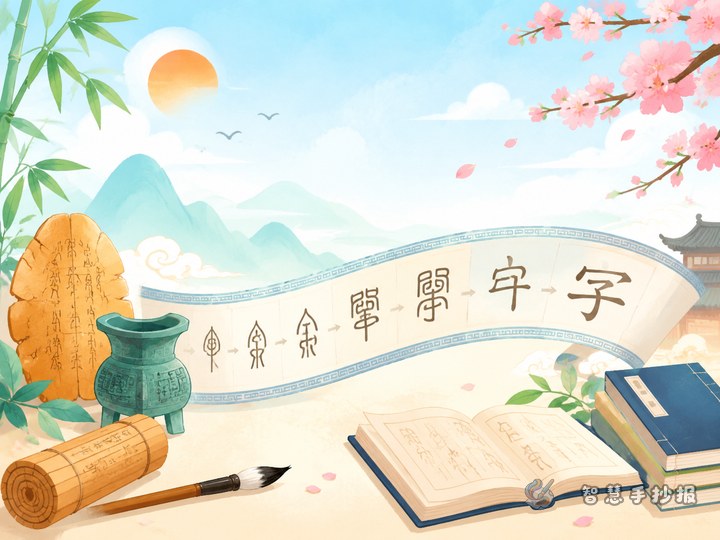
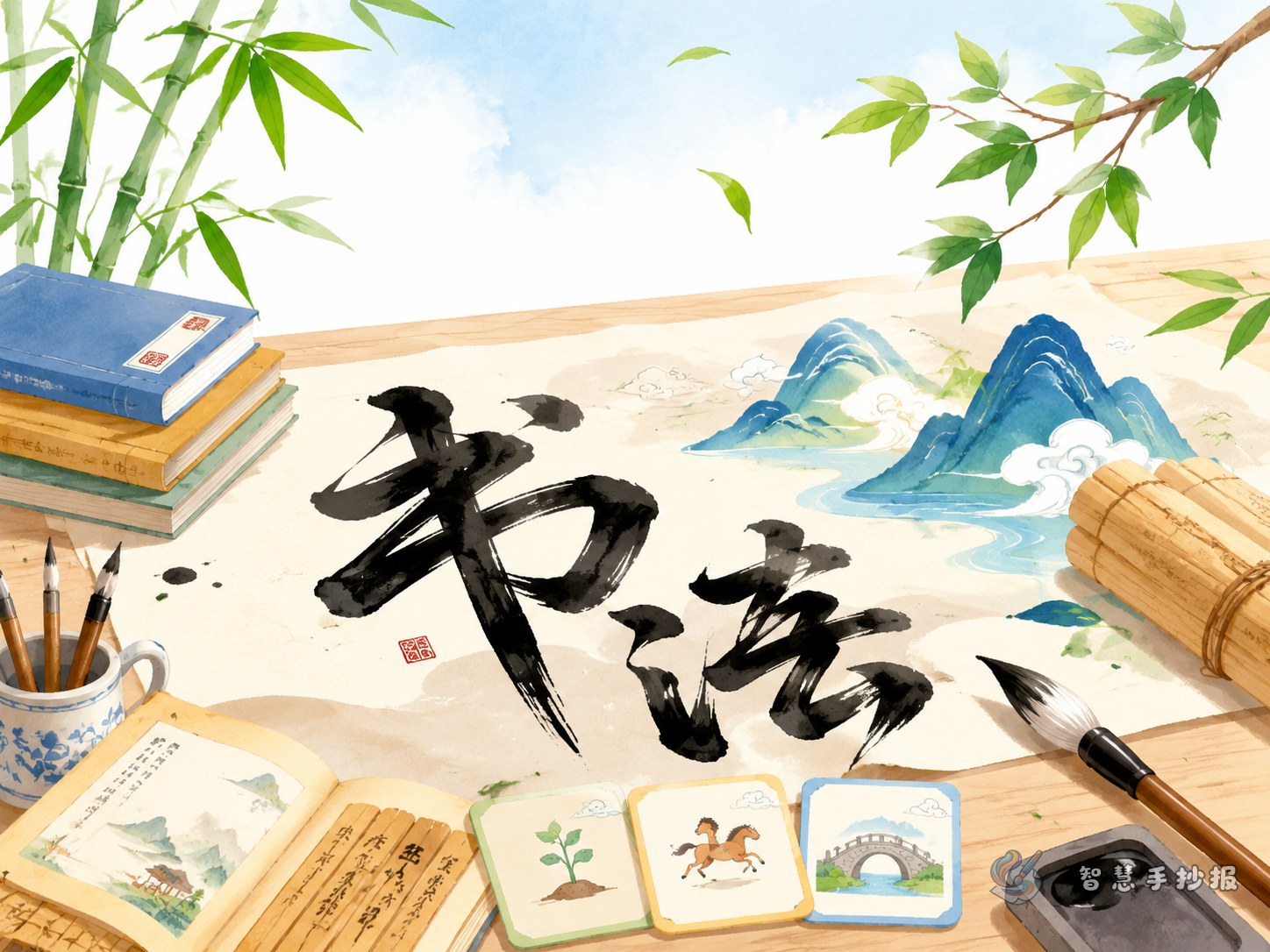
Decorations can include brushes, inkstones, seal shapes, bamboo leaves, or cloud motifs. Keep them light so they support the content instead of covering it.
Simple production tips that make a big difference
- Make the title bold and easy to notice.
- Use black, dark blue, or brown for the main text to match the calligraphy theme.
- Keep each idiom section close in length for visual balance.
- Use larger handwriting for featured idioms and shorter explanations for easier reading.
- If time is limited, finish the title, three idioms, and a short conclusion first, then add decorations later.
A successful handwritten newspaper does not need too much content. What matters most is a unified theme, clear handwriting, and a pleasant traditional style. If you want more templates, text ideas, or easier page planning, you can continue in the Smart Handwritten Newspaper WeChat mini program.