Build the theme around coming of age
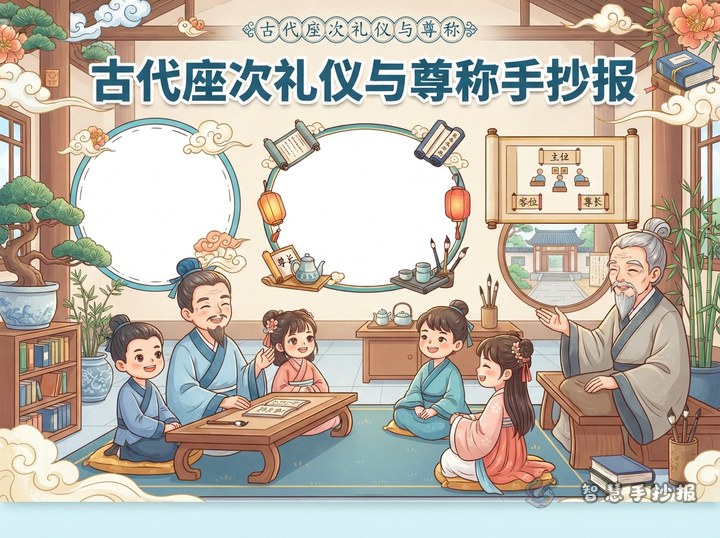
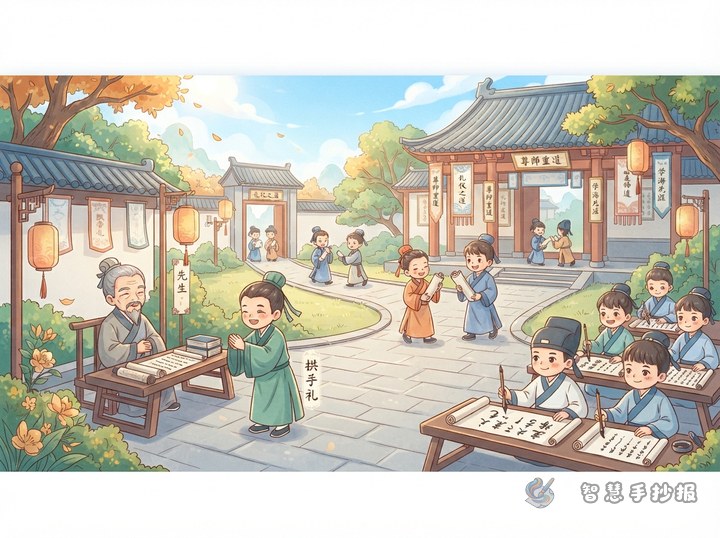
This handwritten newspaper can focus on the ancient coming-of-age ceremonies called the Guan ceremony for boys and the Ji ceremony for girls. Its main idea can be expressed as: rituals represented identity, responsibility, and respect. A suitable title is “Coming of Age in Ancient China,” with the subtitle “Names, courtesy names, and traditional etiquette.”
Three sections to explain the ceremonies
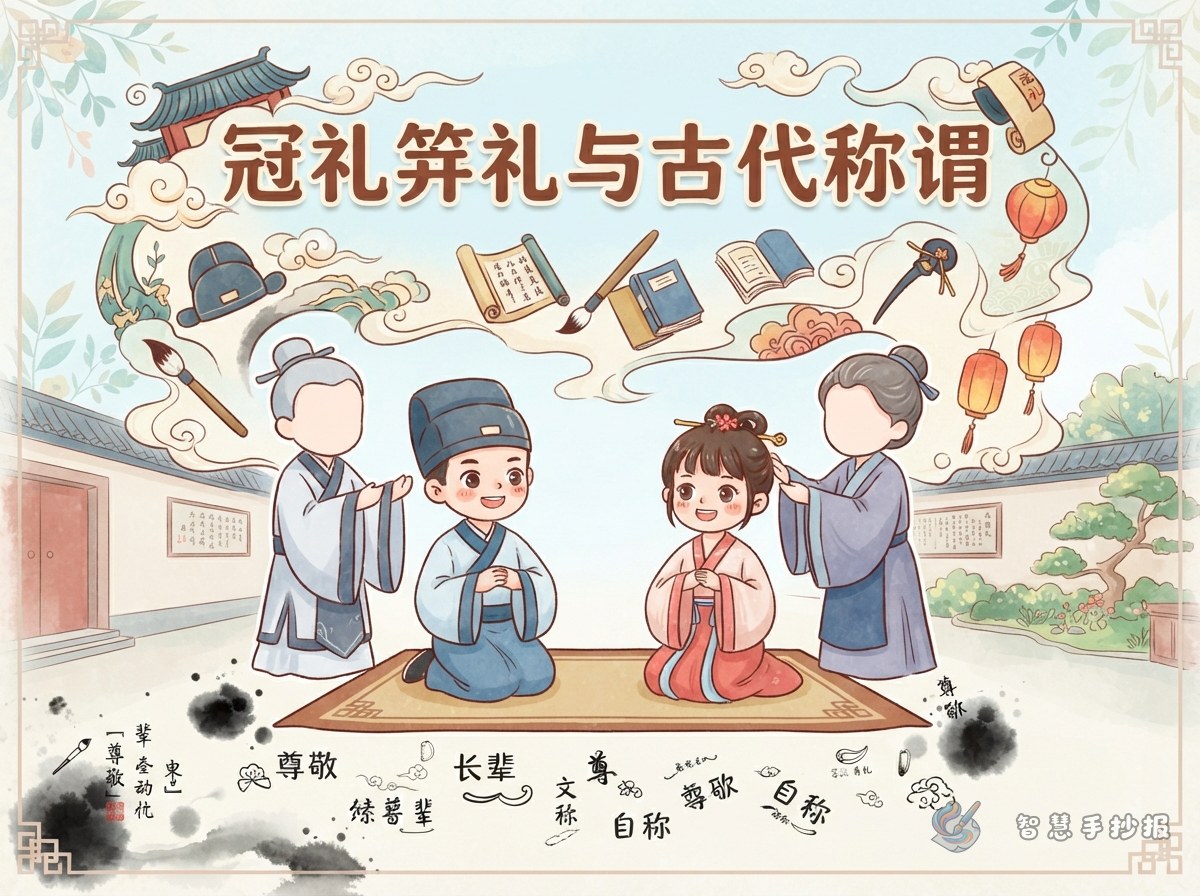
- The Guan ceremony: A young man received a formal cap during a coming-of-age ritual, often accompanied by congratulations and advice from elders.
- The Ji ceremony: A young woman received a hairpin as an important symbol of entering a new stage of life.
- Name and courtesy name: A given name was used from childhood, while a courtesy name was often adopted in adulthood and used in respectful social relationships.
Details varied across dynasties and families. Words such as “usually” and “in many cases” help keep the explanation accurate and easy to understand.
Short text students can use
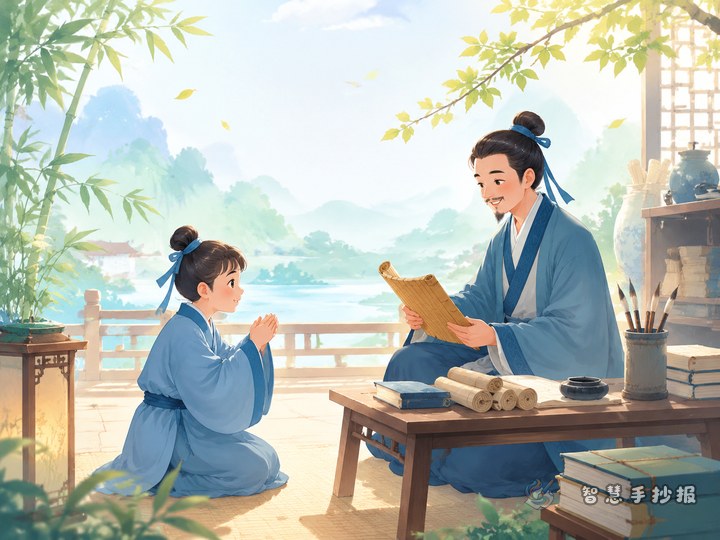
A message about growing up: The Guan and Ji ceremonies show that growing up means more than becoming older. It also means learning responsibility, respecting others, and preparing to take a meaningful role in family and society.
A note about names: Learning the difference between a given name and a courtesy name helps readers understand classical poems, historical stories, and characters in traditional Chinese literature.
A modern connection: We do not need to copy ancient rituals exactly, but we can carry forward their respect for others by greeting people politely, listening carefully, using suitable forms of address, and saying thank you.
Design the page like a small etiquette exhibition
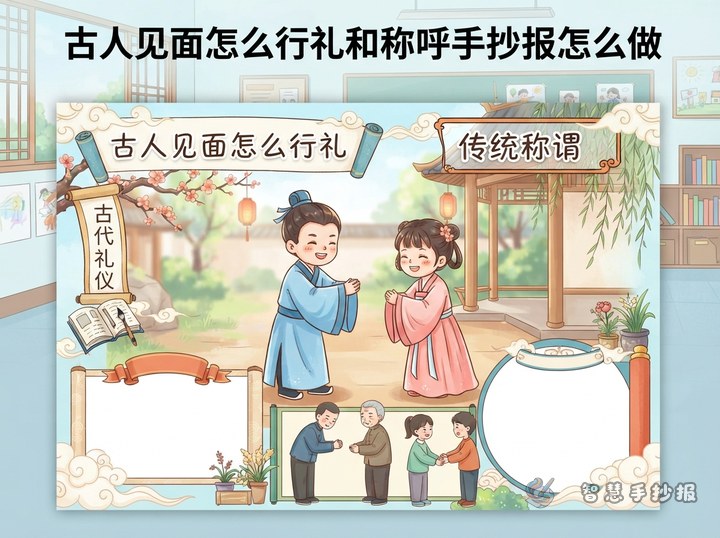
Place the Guan ceremony on the left, the Ji ceremony on the right, and name cards in the center. At the top, draw a simple timeline with three points: receiving a name at birth, completing a coming-of-age ceremony, and using a courtesy name in social life. A lower section can compare the symbols of ancient rituals with respectful actions in modern life.
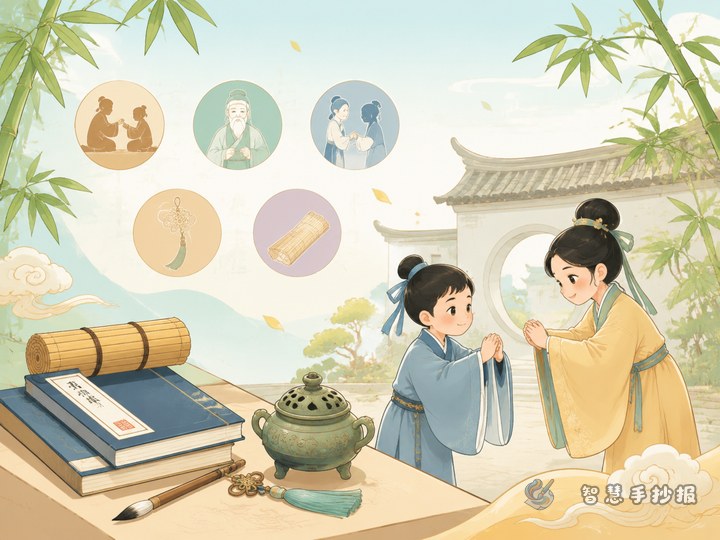
Use bright vermilion, fresh green, and warm white. Small decorations such as caps, hairpins, bamboo slips, and seals can frame the page. Keep each paragraph short, leave open space around illustrations, and highlight key terms with bold text or a contrasting color.
Final checks before finishing
- Make sure the title includes the Guan ceremony, Ji ceremony, or the difference between names and courtesy names.
- Explain each idea in language suitable for primary school readers.
- Show the difference between studying ancient customs and copying them directly today.
- Leave enough open space so the page can be read in a clear order.
After drafting the text and layout, continue in the WeChat mini program “Smart Handwritten Newspaper” to organize sections, adjust the layout, and complete the project.