Build the Page Around an Exam Journey
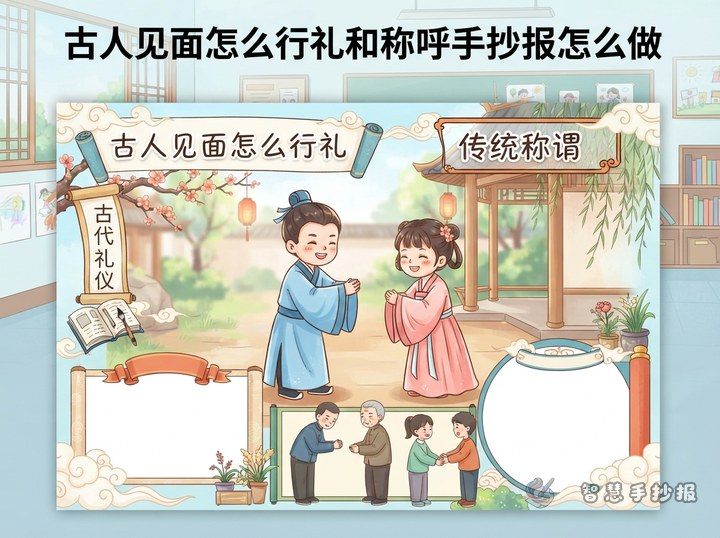
Turn the ancient examination process into a simple visual route: study and prepare, sit for examinations, wait for the results, and receive a new scholarly title. A scroll-shaped heading and a clear route across the page will help readers understand how titles changed at different stages.
A Clear Guide to the Main Titles
Names Used for Students and Candidates
- Tongsheng: In the Ming and Qing periods, a student who had not yet gained shengyuan status. The word did not necessarily mean a child.
- Shengyuan: A student who passed the local qualifying examination and was commonly called a xiucai.
- Juren: A successful candidate in the provincial examination who could advance to a higher level.
- Gongshi: A successful candidate in the metropolitan examination who could proceed to the palace examination.
- Jinshi: A prestigious degree awarded through the palace examination process.
The Best-Known Rankings
The top three candidates in the first class of the palace examination were commonly called zhuangyuan, bangyan, and tanhua. Place these names together in a small ranking panel. Make clear that not every jinshi was a zhuangyuan and that tongsheng did not simply mean a young child.
Turn Examination Etiquette into Candidate Rules
- Candidates followed identity checks and brought only the examination materials permitted at the time.
- They entered in order, worked in assigned spaces, and were expected not to talk or move around without permission.
- Answers required careful handwriting, a tidy page, and attention to formal writing conventions.
- After results were posted, candidates found their names and rankings on an official list.
Keep this section focused on order, discipline, and respect for examination rules. Avoid applying every modern test rule directly to an ancient setting.
Short Features That Work Well on a Poster
Useful mini-sections include a title ladder, a ranking guide, an examination etiquette list, and a true-or-false corner. A question such as “Was every xiucai the top candidate?” creates an easy entry point. The answer is no: xiucai was a common name for a shengyuan, not a first-place ranking.
Expressions associated with long study and success on the results list can add interest. When using a classical quotation, verify both its wording and attribution. Accurate short explanations are better than uncertain quotations.
Arrange Scrolls, Lists, and Examination Cells
Divide the page into three levels. Put the title and exam route at the top, use two central columns for titles and etiquette, and reserve the bottom for ranking facts and quick questions. Decorate with restrained drawings of brushes, bamboo slips, result lists, scrolls, or examination cells. Vermilion, black, and pale blue provide contrast while leaving enough white space for readable text.
After drafting the material, open the Smart Handwritten Newspaper WeChat Mini Program to choose a template, adjust the sections, and create a poster that fits the required paper size.