Decide what the poster should really show
A peanut planting labor observation poster should not be only about facts. The best version combines planting steps, labor participation, and real observations. A simple way to plan it is to answer three questions: How did I plant it? What did I observe? What did I learn?
For elementary students, short sentences and small sections work better than long paragraphs. Parents and teachers can help organize the order, but the child’s own words should remain the main voice.
Section ideas you can use directly
- Before Planting: What tools, seeds, soil, and water were prepared.
- My Labor Process: Turning the soil, making holes, sowing seeds, covering soil, and watering.
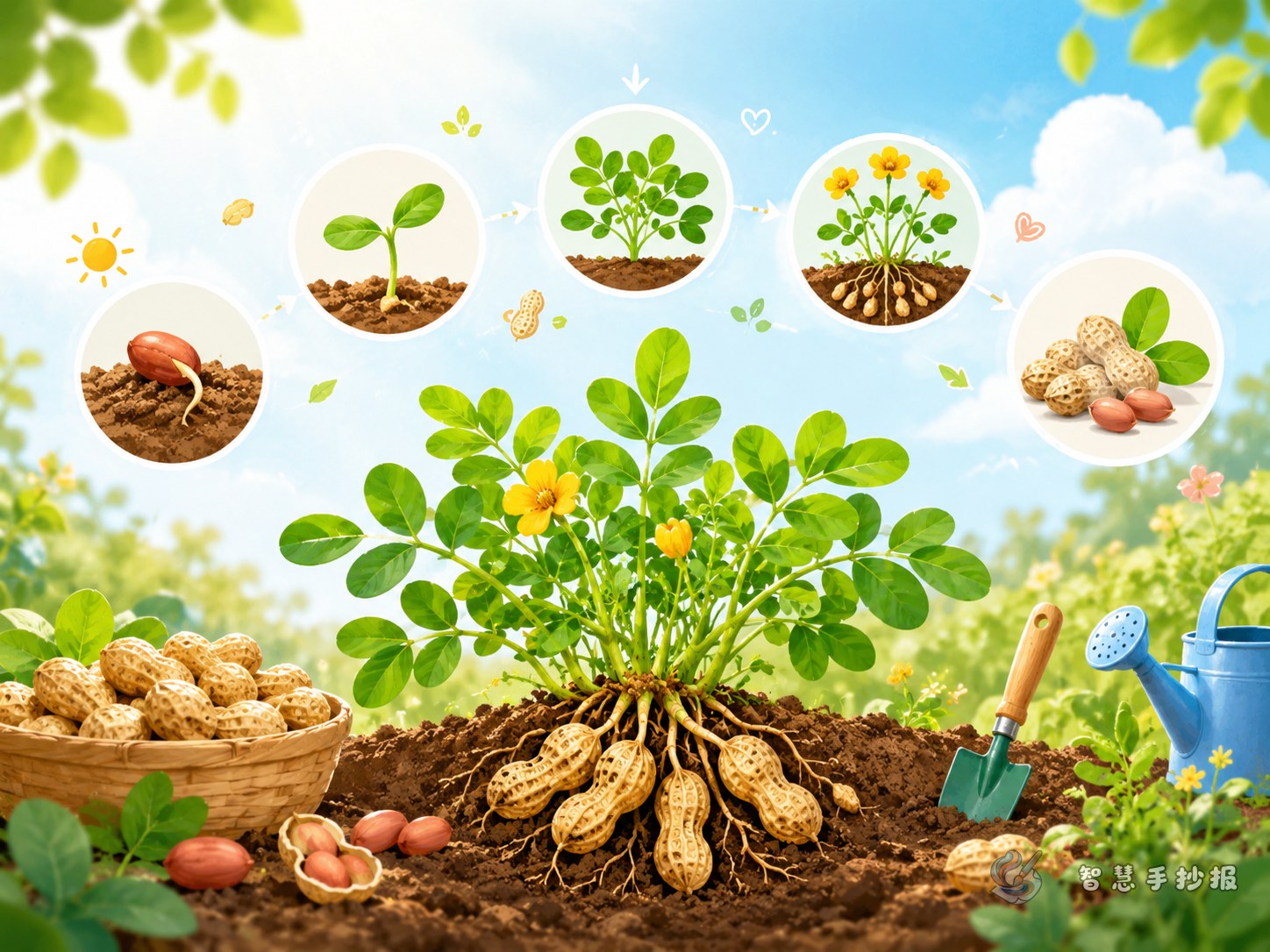
- Observation Notes: Sprouting, leaf growth, height changes, and later development.
- What I Discovered: Peanuts need sunlight, loose soil, and careful watering.
- My Feelings After Labor: Learning that crops need patience and care.
You do not need every section. Choose three to five based on your page space so the poster stays clear and focused.
Useful writing material for the page
About the labor process
I loosened the soil first, put the peanut seeds into small holes, and covered them with a thin layer of soil. When watering, I learned not to pour too much at once. Planting peanuts looks easy, but every step needs care.
About observation changes
For several days after sowing, I checked the soil surface every day. Later, I saw small sprouts pushing through the soil, and tender leaves slowly opened. As the plant grew stronger, I became more excited to keep watching it.
About reflections
Through this peanut planting activity, I learned that crops need sunlight, water, and patient care. Labor is not only about working with your hands. It also means watching carefully and taking responsibility.
A layout that feels clear and lively
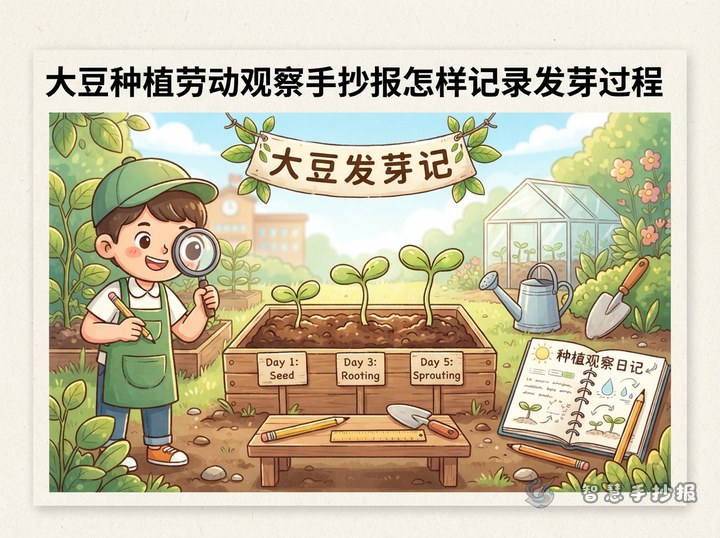
This topic works well with a time-based layout. Put the main title in the center, place “planting steps” on one side, “growth observations” on the other, and use the bottom area for reflections or discoveries. This makes the page easy to read.
- Decorate the title with peanut shells, leaves, or soil shapes.
- Keep each section short so the page does not look crowded.
- Highlight key words such as sowing, sprouting, loosening soil, and harvest.
- Add small drawings like a watering can, shovel, or seedling to strengthen the theme.
Color and handwriting tips
Green, light brown, and soft yellow fit the peanut planting theme very well. A dark green or warm brown title can stand out, while black or dark blue body text keeps the page easy to read. Leave some blank space instead of filling every corner.
You can also add small labels like “Day 3: Sprout appeared” or “I learned to water gently.” These details make the poster feel more like a real observation project.
How to end the poster nicely
In the ending, return to the labor theme with one or two simple sentences. For example: This peanut planting activity helped me understand that crops grow through hard work and careful care. It also taught me patience and observation.
If you want more help with titles, sections, and page ideas, you can continue creating in the Smart Handwritten Newspaper WeChat mini program.