Pick a Clear and Student-Friendly Main Title
If you need an easy topic for a classical Chinese poetry appreciation poster, how to make a Spring Dawn poster is a very practical choice. The poem is short, vivid, and easy for children to understand. Students can include the original poem, a brief poet profile, simple appreciation notes, and spring-themed decorations without making the page feel crowded.
Good titles include “Appreciating Spring Dawn,” “Spring Dawn Poetry Poster,” or “A Poetic Spring Morning.” A subtitle may mention Meng Haoran or classical poetry appreciation.
Use Four Simple Content Blocks
- Original Poem: Write the full text of the poem neatly and place it in a clear box.
- About the Poet: Briefly introduce Meng Haoran as a Tang Dynasty poet known for natural and peaceful poetry.
- Poem Appreciation: Explain the meaning of the lines about sleep, birds, wind, rain, and fallen flowers.
- My Thoughts: Add two or three sentences about how the poem makes you imagine spring.
If there is still empty space, students can add a small vocabulary corner to explain key words such as “dawn” or “heard.”
Ready-to-Use Writing Material
Original Poem
Spring sleep, unaware of dawn. Everywhere I hear birds singing. In the night came the sound of wind and rain. How many blossoms must have fallen?
Short Poet Introduction
Meng Haoran was a famous poet of the Tang Dynasty. His poems are natural, gentle, and full of scenes from the countryside and the changing seasons. Spring Dawn is one of his best-known poems and captures the beauty of a spring morning in only four lines.
Simple Appreciation Sample
The poem begins with waking up on a spring morning. The poet hears birds singing everywhere, which shows that spring is lively and full of life. Then he remembers the wind and rain from the night before and wonders how many flowers may have fallen. The poem expresses love for spring and also a soft feeling of regret.
Student Reflection Sample
When I read Spring Dawn, I imagine a quiet morning with flowers, birds, and fresh air. Even though the rain may have knocked some petals to the ground, spring still feels beautiful and full of energy. The poem is short, but it creates a lovely picture.
Make the Layout Look Fresh and Balanced
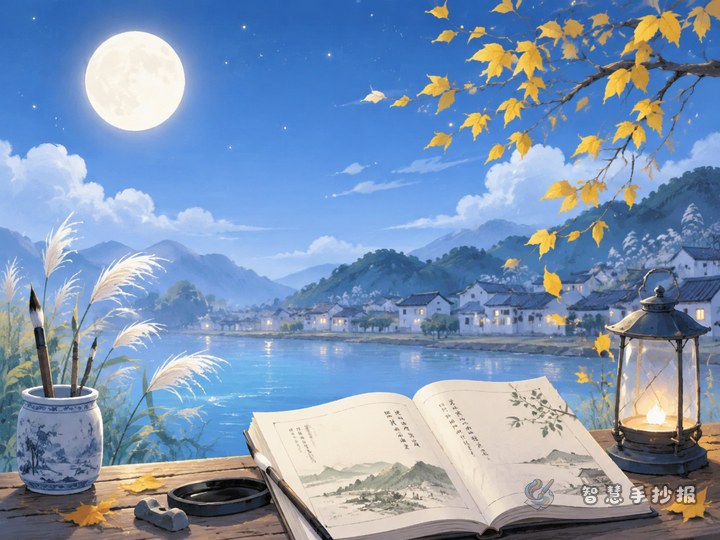
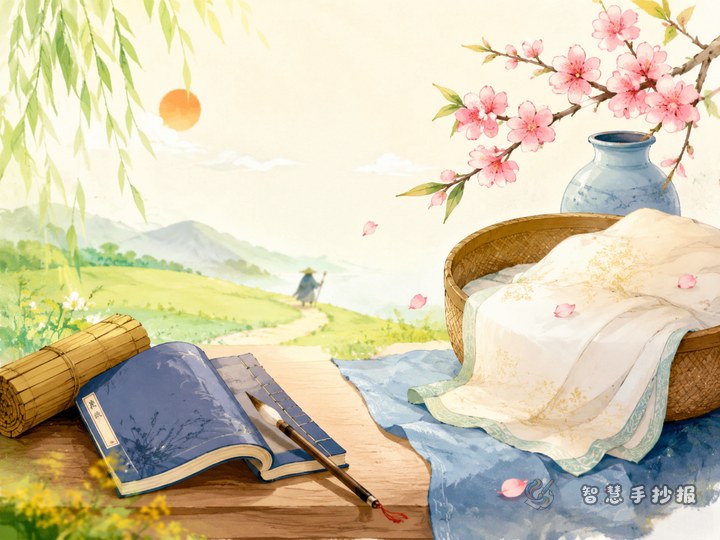
A classical poetry poster looks best with a soft and clean design. Put the title at the top center, and use branches, birds, clouds, or leaves as decorations around the page. A two-column layout or one large section with two smaller sections works well for this topic.
- Suggested colors: light green, pale yellow, sky blue, soft pink.
- Border ideas: petals, birds, spring rain, leaves.
- Lettering tip: make the title larger, but keep the body text easy to read.
- Spacing tip: leave some blank space so the poster feels tidy.
Easy Drawing Ideas for Children
Spring Dawn matches simple nature drawings very well. Students can draw the morning sky, birds on branches, flower petals on the ground, and willow leaves moving in the breeze. Complex figures are not necessary. Natural spring elements are enough to match the poem.
To make the design feel more complete, add small stamp-style circles in the corners with words like “spring,” “dawn,” “flower,” or “bird.” This gives the poster a gentle classical mood.
Final Checklist Before Finishing
- Check that the poem has no missing or wrong words.
- Make sure the poet’s name and dynasty are correct.
- Keep the appreciation part short and easy for children to understand.
- Use drawings and colors that match the spring feeling of the poem.
- Make the title stand out clearly from the rest of the page.
If you want to keep improving the layout, colors, or text sections, you can continue creating in the Zhihui Handwritten Poster WeChat mini program for a smoother poster-making process.