Think of the page as a small bird protection map
When making a bird protection handwritten newspaper, the biggest problem is often messy content. A better way is to place one main title in the center and divide the page into smaller parts. Each part should have a clear job, so the whole work looks neat and easy to understand.
For younger students, a center title with surrounding sections works very well. The middle can say “Protect Birds, Start with Me” or “Learn About Birds and Care for Them,” while the outside areas hold facts, actions, reminders, and personal messages.
Four to six sections are the easiest to use
Section 1: Bird facts
This section can explain what birds are or introduce a few common birds. Keep each example short, just two or three simple sentences.
- Most birds have feathers and wings.
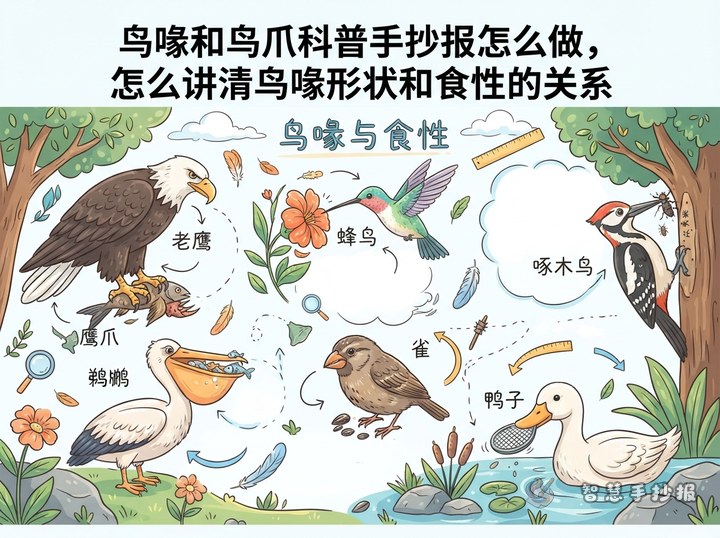
- Different beaks match different foods.
- Some birds live in forests, while others stay near water or fields.
Section 2: Why birds should be protected
This part gives the newspaper a clear purpose instead of being only decorative.
- Birds help spread seeds.
- Some birds eat insects and help keep nature balanced.
- Birds are important members of the natural world.
Section 3: Polite birdwatching tips
This section is especially useful for school projects because it connects science with daily behavior.
- Watch quietly.
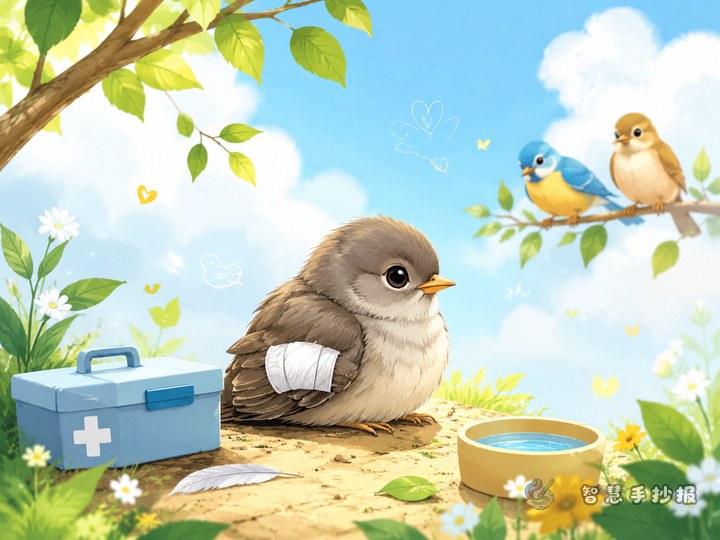
- Do not chase, catch, or scare birds.
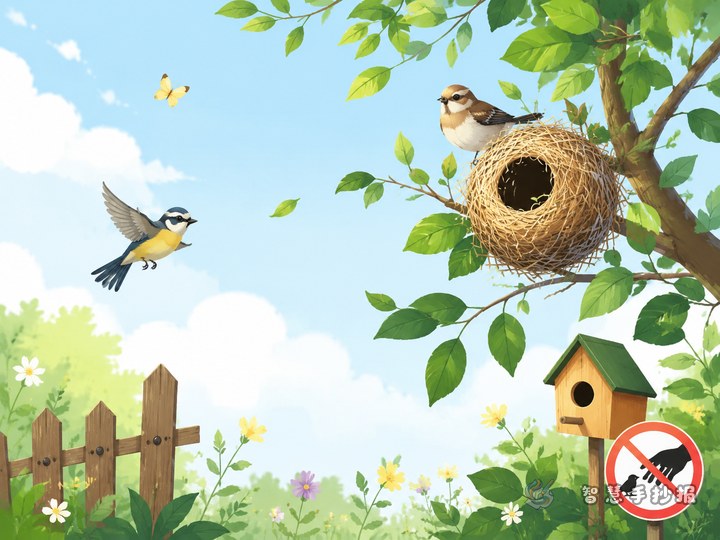
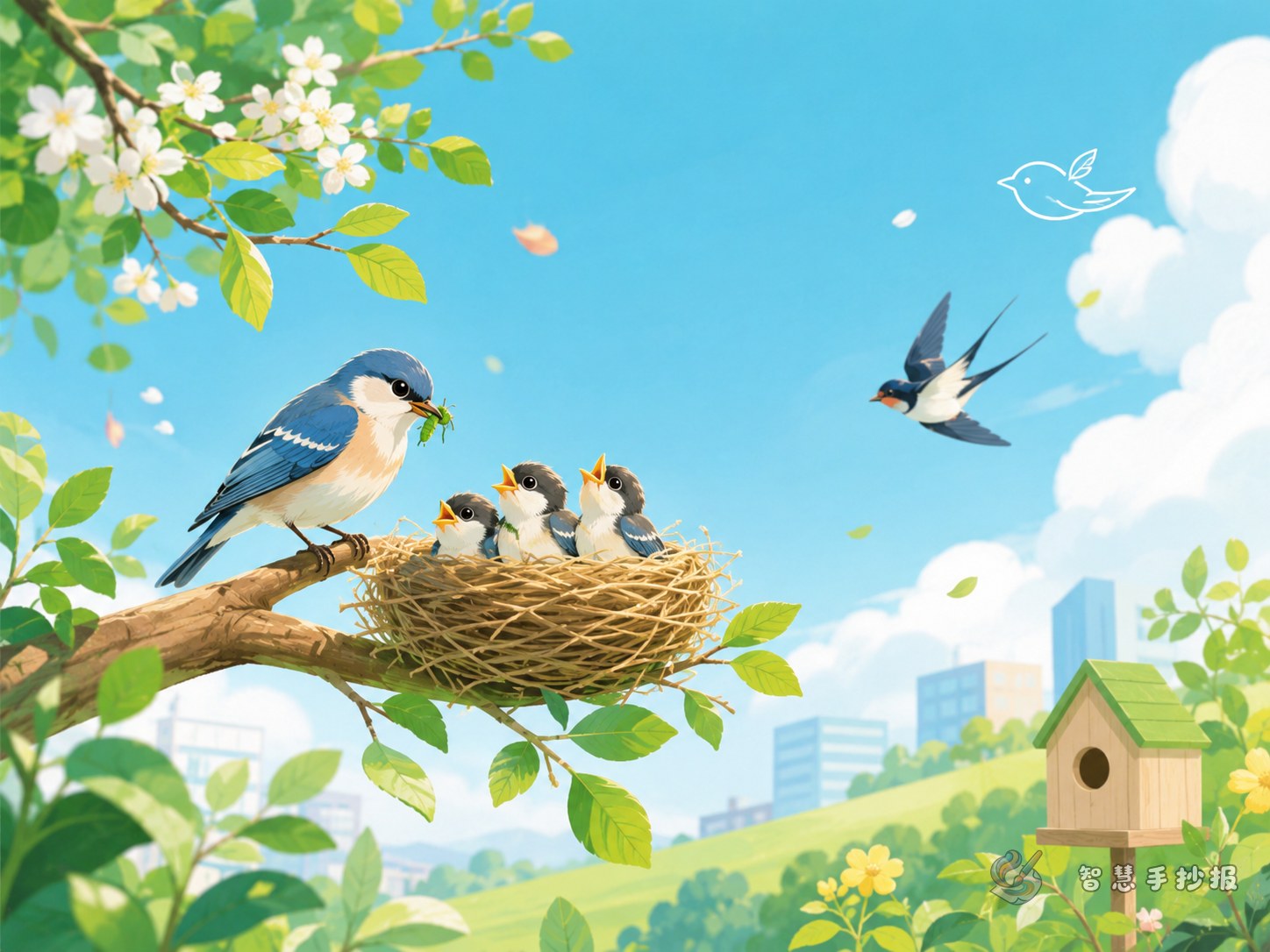
- Do not touch nests or take eggs.
- Do not leave trash in parks, woods, or wetlands.
Section 4: What I can do to protect birds
It is best to include actions children can really do.
- Do not hurt birds.
- Protect trees, grass, and bird habitats.
- Share bird protection ideas with classmates and family.
Section 5: A short bird protection message
These short lines fit well in corners or at the bottom of the page.
- Let birdsong stay in spring.
- Give birds a quiet sky.
- Protect birds, protect our home.
Short text materials you can use directly
If time is limited, use short lines instead of long paragraphs. This keeps the page clean and readable.
- Birds are singers of nature and helpers of the environment.
- Protect birds by leaving nests and young birds undisturbed.
- Birdwatching should be respectful and gentle.
- Protecting forests, wetlands, and rivers means protecting bird homes.
- Learning to care for birds helps build love for nature.
You can also add a personal sentence such as “I hope every bird can fly freely, and we should protect their home with our actions.”
Keep the decoration light and natural
Bird protection themes look best with a fresh style. Blue, green, and light yellow are good choices because they suggest sky, trees, and sunlight.
- Make the title frame with clouds, leaves, or wings.
- Use branches, feathers, or grass between sections.
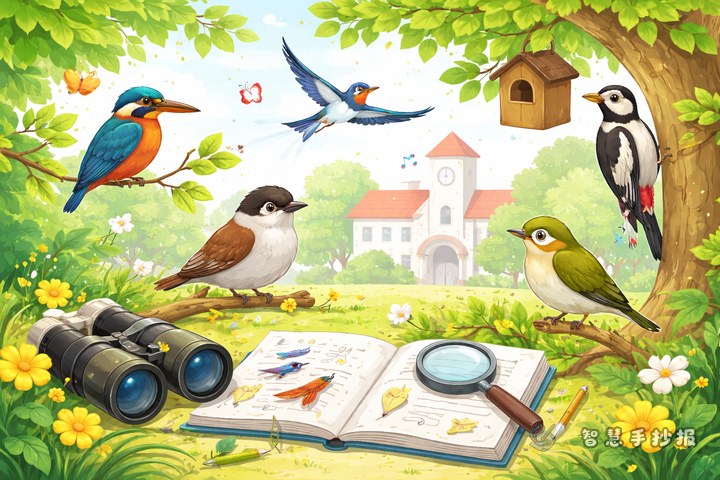
- Add small drawings like nests, eggs, binoculars, or leaves in the corners.
- Highlight key lines with bold lettering or small labels.
If the page still feels empty, add a few flying bird trails or leaves, but do not let decoration become more important than the text.
A practical way to finish the work for class
Start with the title, then arrange the sections, write the text, and finally add decoration. This order saves time and makes the result more organized. Parents and teachers can first ask children to explain why birds should be protected, then help turn those thoughts into short lines for the page.
If you want to refine the wording, rearrange the sections, or make the page more polished, you can continue creating in the Zhihui Shouchaobao WeChat mini program.