Choose a theme that feels clear and lively
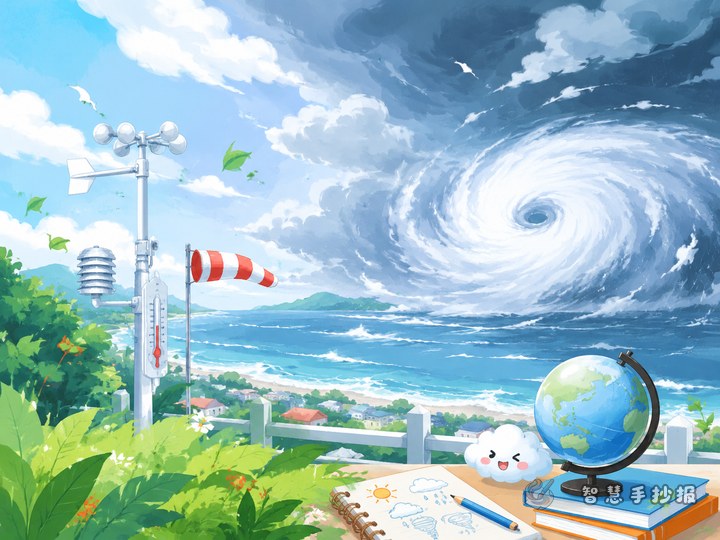
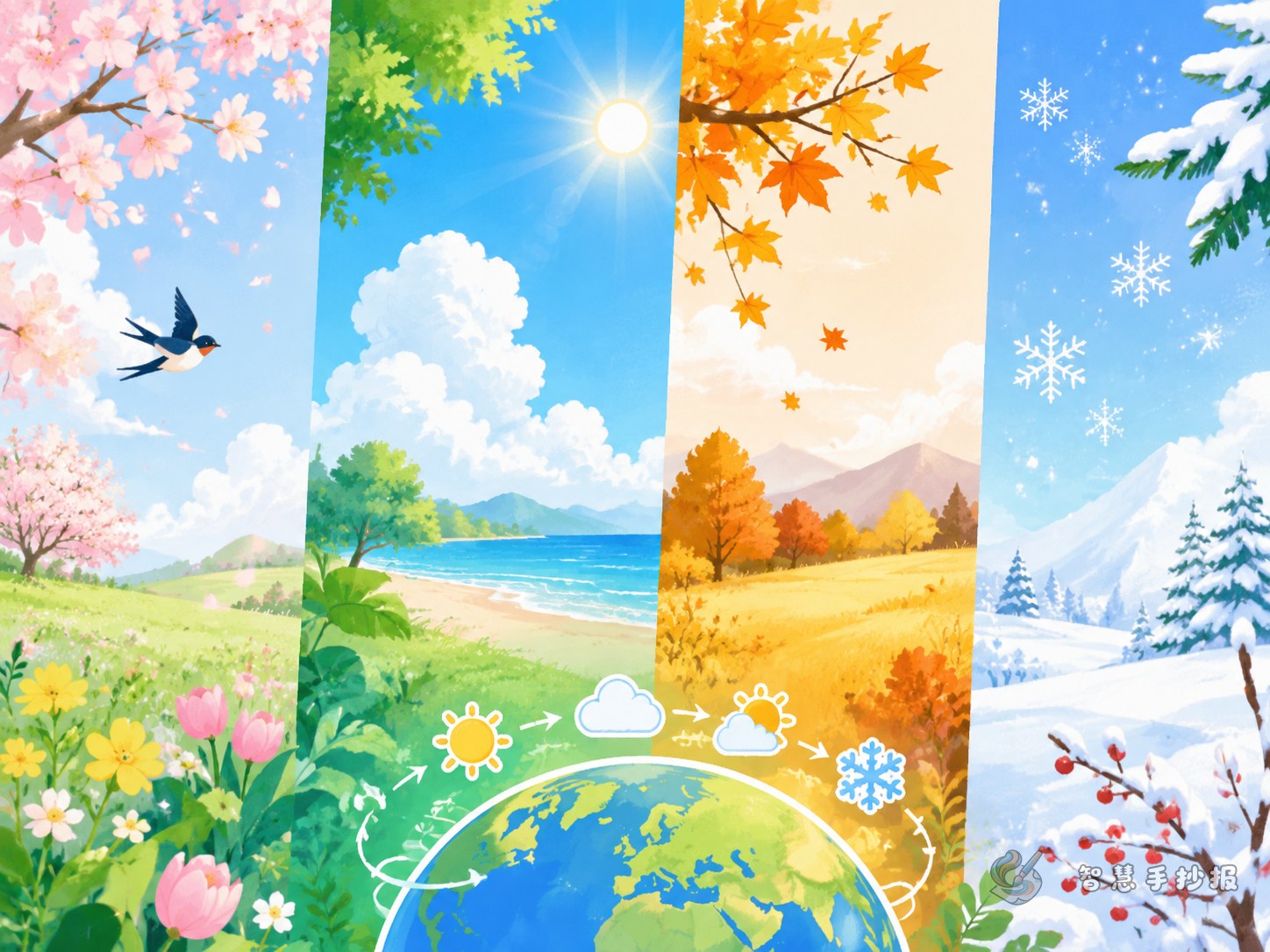
If you want to create a handwritten newspaper about weather and seasonal change, try a theme such as A Year of Weather, My Four-Season Weather Notes, or How Weather Changes Through the Seasons. This makes it easy to include both seasonal features and common weather events like sunshine, rain, wind, thunder, and snow.
Your title can sound natural and student-friendly, such as “How Does Weather Change with the Seasons?” or “My Seasonal Weather Observation Page.” A good title helps the whole page feel focused.
Try a layout with movement, not just four equal boxes
You do not have to divide the paper into four identical parts. A more flexible design is a large title in the center with sections arranged around it.
- Center: main title with weather-themed decorations.
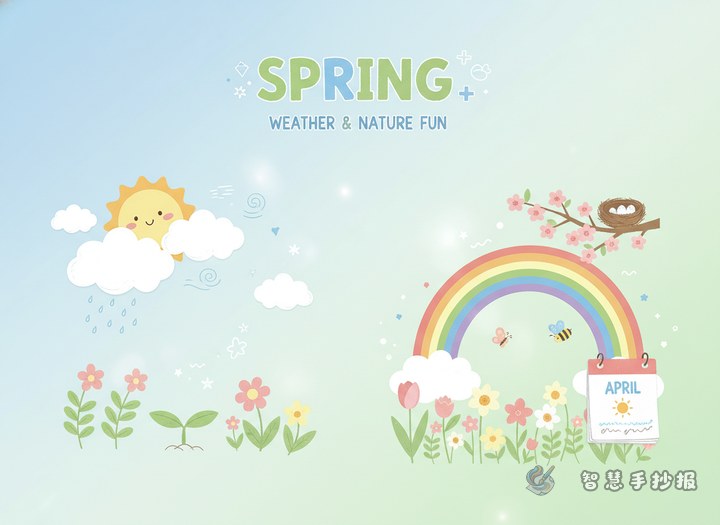
- Top left: spring weather and natural changes.
- Top right: summer weather and heat safety tips.
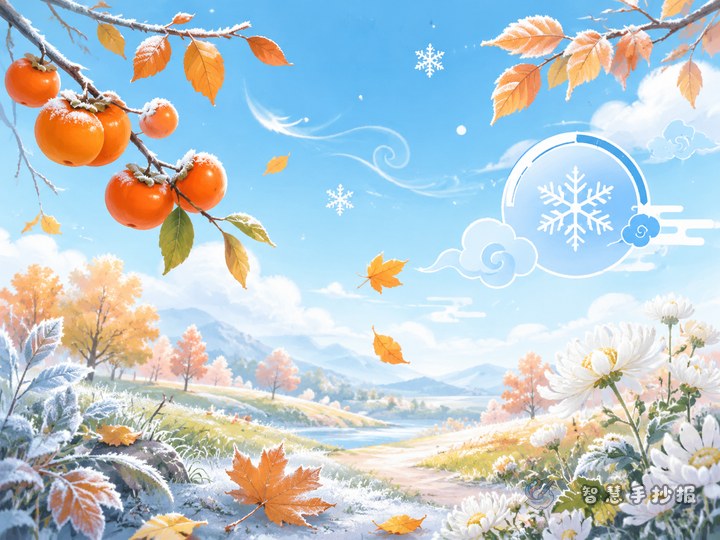
- Bottom left: autumn temperature shifts and harvest scenes.
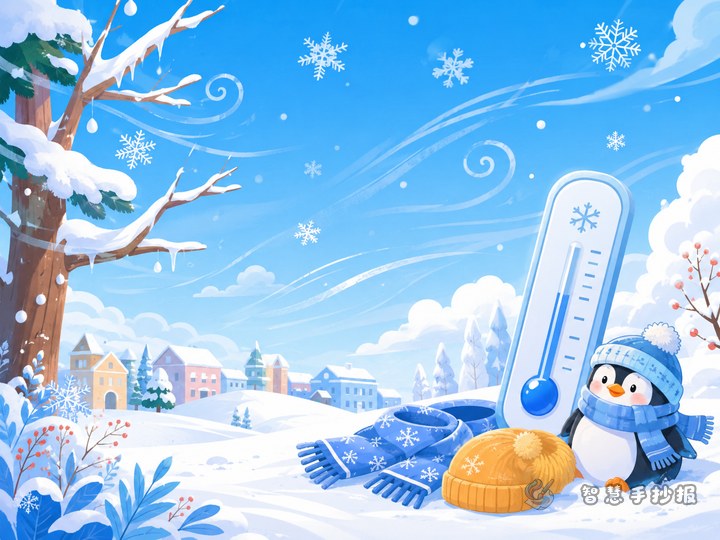
- Bottom right: winter weather and keeping warm.
- Corners and edges: small icons like clouds, raindrops, snowflakes, rainbows, or thermometers.
If you have extra space, add a short section called “My Favorite Season” to make the page feel more personal.
Ready-to-use writing materials for the page
Simple seasonal weather notes
Spring: The weather becomes warmer, and rain is more common. Plants begin to grow, but temperatures may still change quickly.
Summer: Summer is hot and sunny, and thunderstorms may happen more often. It is important to drink water and stay cool.
Autumn: The weather turns cooler, and the temperature difference between morning and evening becomes larger. The sky is often clear and bright.
Winter: Winter is cold, and some places may see snow or icy weather. People should wear warm clothes and stay healthy.
Short weather fact cards
- Sunny: Bright sunshine and clear skies, great for outdoor activities.
- Cloudy: Thick clouds cover the sky and sunlight is weaker.
- Rainy: The air feels wet, and people should take umbrellas.
- Snowy: Snow appears in cold weather, and roads may become slippery.
- Windy: Strong wind can affect travel and outdoor safety.
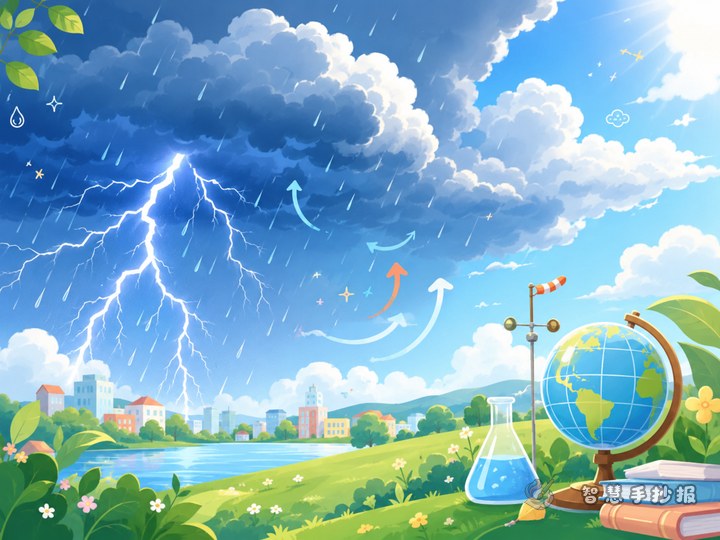
- Thunderstorm: During thunder and lightning, it is safer to stay indoors.
Make it feel like a real student project
To avoid making the page look like copied facts only, add personal observation and daily life tips.
- Write one observation, such as “I noticed spring winds feel softer than winter winds.”
- Add one life tip, such as “In autumn and winter, mornings and evenings are colder, so bring an extra jacket.”
- Include one weather saying or simple proverb.
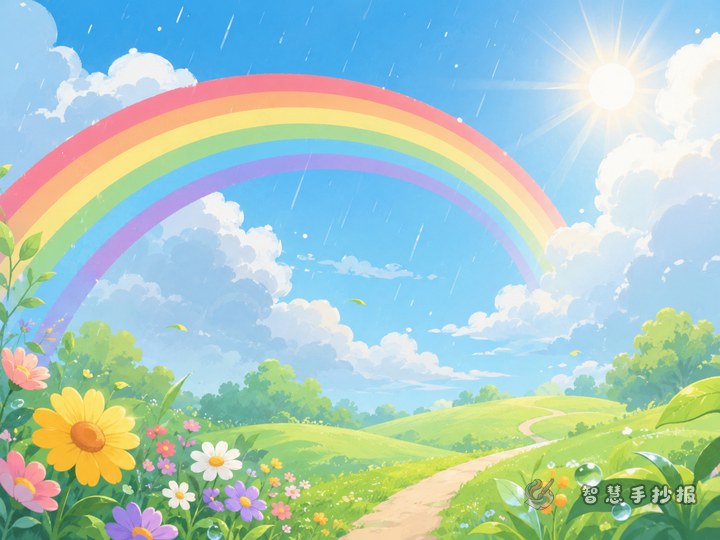
- Add one small science note, such as “A rainbow often appears after rain when sunlight returns.”
These small additions make the newspaper more vivid, practical, and student-friendly.
Color choices and decorations that match the seasons
Seasonal themes look best with different color groups. Use light green and pink for spring, blue and yellow for summer, orange and brown for autumn, and pale blue and white for winter. This helps readers quickly understand each section.
Decorations can include flowers, sunshine, raindrops, leaves, scarves, snowmen, or clouds. Keep the border simple so the page looks neat instead of crowded.
Final checklist before you finish
- Is the main title large and easy to read?
- Does each season have its own clear content?
- Are the text blocks balanced in length?
- Do the drawings match the season and weather ideas?
- Did you include your own observations or reminders?
If you want to keep improving the layout, wording, or decorations, you can continue your design in the Zhihui Handwritten Newspaper WeChat mini program.