Start with a focused theme
A Kunqu opera handwritten newspaper becomes much easier when the topic is specific. You can choose a title such as “Discovering Kunqu”, “The Beauty of Kunqu”, “A Heritage Treasure on Stage”, or “Kunqu in My Eyes”. A focused theme helps students select useful content and keep the page neat.
For younger students, it is better to use several short sections instead of long blocks of text.
Four kinds of content that work especially well
1. What is Kunqu?
Write a brief introduction: Kunqu is a traditional Chinese opera form with a long history. It is known for its refined singing, graceful performance, and classical artistic beauty.
2. What makes Kunqu beautiful?
- Its singing style is soft and flowing
- Its movements and gestures are elegant
- Its costumes are detailed and graceful
- Its stage atmosphere often feels poetic
3. Classic elements of Kunqu
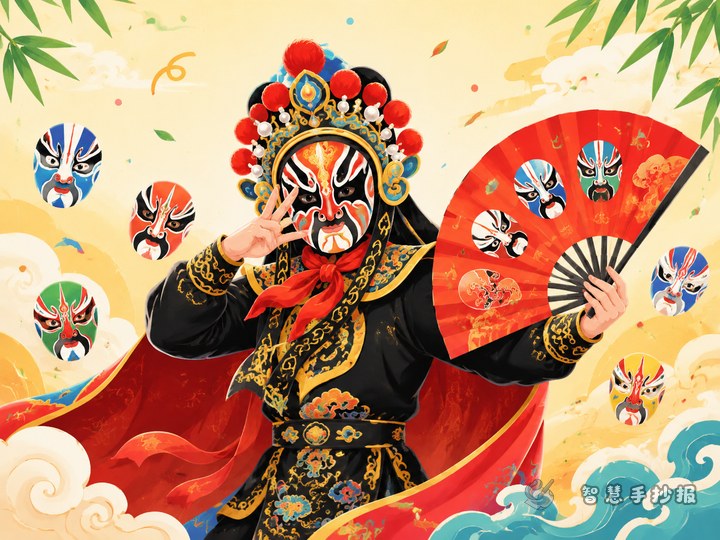
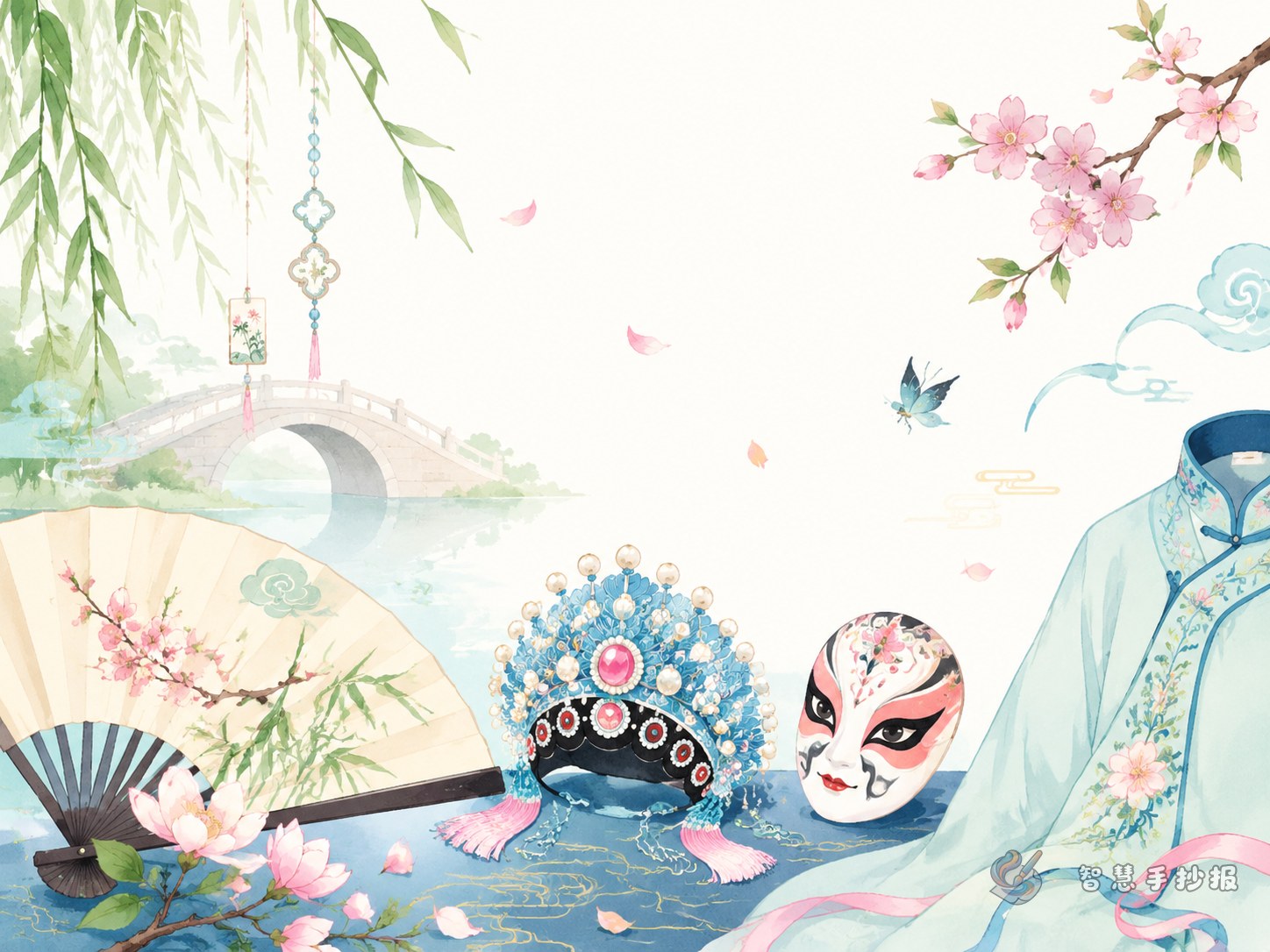
Students can write a few lines about folding fans, costumes, water sleeves, headpieces, classical gardens, flute sounds, or percussion. These details also inspire simple drawings.
4. Why should Kunqu be preserved?
Kunqu carries traditional aesthetics and theatrical culture. Learning about it and passing it on helps protect excellent Chinese cultural heritage.
Section ideas you can use directly
- Kunqu at a Glance: one or two sentences introducing it.
- The Beauty of Chinese Opera: write about music, costumes, and movement.
- Details on Stage: describe sleeves, steps, expressions, and instruments.
- Why Heritage Matters: explain the value of preservation.
- My Thought: add a personal line such as “Kunqu feels like an ancient painting that sings.”
These section titles are short, clear, and easy to arrange on a handwritten newspaper page.
Use an airy layout instead of filling every space
Kunqu suits a light and elegant page design. Place the main title at the top center, then decorate it with a fan or opera headpiece. Two text sections can go on the sides, while the center can hold a slightly larger drawing area, such as a figure with flowing sleeves.
- Choose soft green, pink, ivory, or traditional red as the main colors
- Use stage windows, floral branches, or cloud patterns as borders
- Add ornaments like orchids, round fans, tassels, or classical motifs
- Highlight key sentences with bold labels
If drawing feels difficult, simple outlines of a stage frame can already create a traditional atmosphere.
Short text materials for students
Text 1: Kunqu has a gentle singing style and graceful performance, showing the elegance of traditional Chinese opera.
Text 2: A small stage, a fine costume, and a few sung lines can bring an old story to life.
Text 3: Protecting Kunqu means protecting an important part of Chinese traditional culture.
Text 4: When we learn about Kunqu, we step closer to an ancient and beautiful world of art.
How to make the final page feel complete
Before finishing, check the page in this order: main title, section blocks, drawings, and closing reflection. Make sure the title stands out, the sections are balanced, the colors match, and the handwriting is clear. As long as the page focuses on Kunqu’s artistic features and heritage value, it will look meaningful and visually pleasing. If you want to improve the layout further, you can continue designing in the Zhihui Shouchaobao WeChat mini program.