Start by deciding what story the poster will tell
A radish planting observation poster should focus on how I planted it, how it changed, and what I noticed. Unlike a general fact sheet, this kind of poster should highlight the growing process. When the content follows time order, the whole page feels more real and easier to understand.
For elementary students, it is better to keep the topic small and practical. One home planting activity or one classroom experiment is enough. As long as the poster explains sowing, sprouting, leaf growth, and harvest, it already has a strong structure.
Section ideas you can use right away
- What I prepared: pot, soil, seeds, and watering tools.
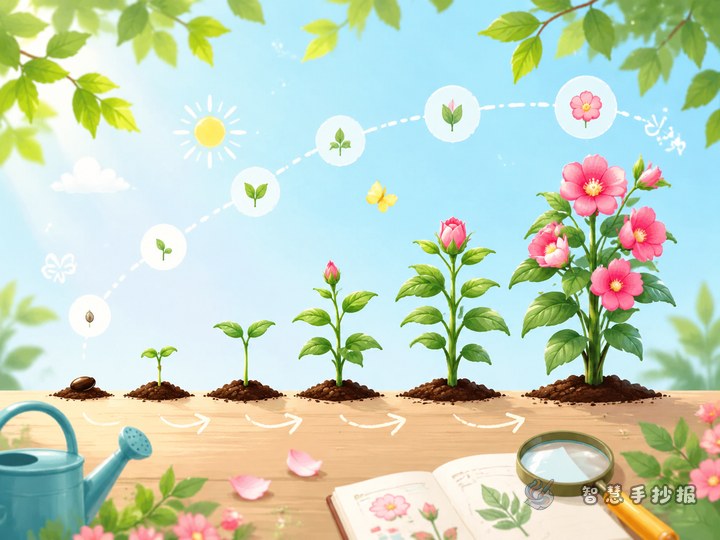
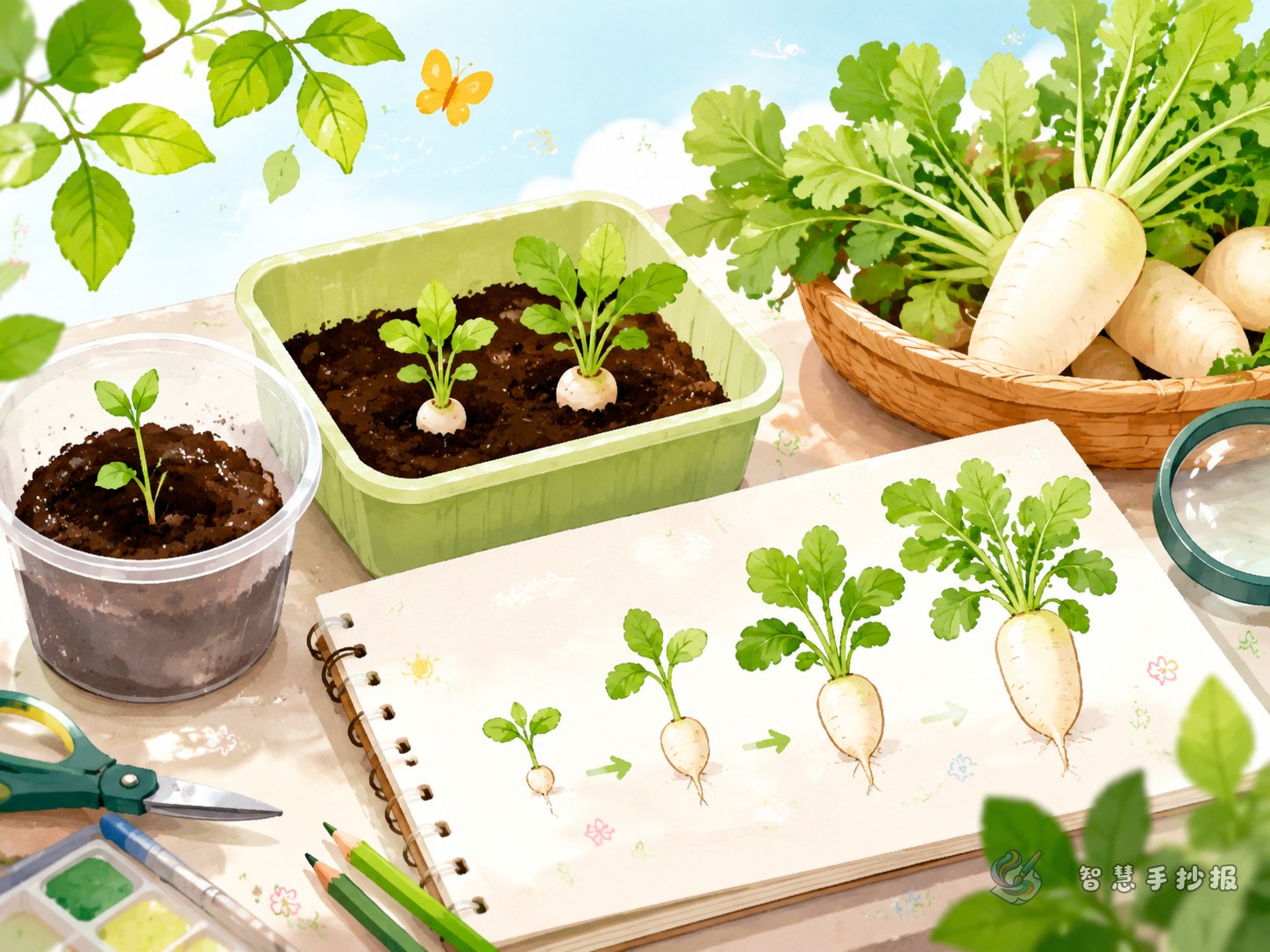
- Radish growth timeline: Day 1 planting, Day 3 sprouting, Day 7 leaf growth, Day 15 more leaves.
- My observation notes: color changes, number of leaves, plant height, and soil moisture.
- Care reminders: water properly, give enough light, and do not disturb the soil too often.
- What I learned: plants need patience and careful attention to grow well.
If the page is small, choose four sections. If there is more space, add a short part about the uses of radish or your most surprising discovery.
How to write observation text naturally
Use growth stages instead of too many facts
The best observation writing is short and specific, almost like a diary. For example:
- On planting day, I gently put the radish seeds into the soil and covered them with a thin layer of dirt.
- A few days later, tiny light green sprouts came out of the soil.
- More leaves appeared, and the stem became straighter than before.
- I noticed that when the soil was too dry, the leaves looked weak, but after watering, they slowly recovered.
Simple science lines to add
- Radishes like enough sunlight and proper watering.
- Plants need sunlight, air, water, and soil to grow.
- Careful observation helps us notice small changes every day.
This balance of personal notes and science content works well for school poster assignments.
Keep the layout orderly, not complicated
This topic works especially well as a growth path layout. Place the title at the top, then connect each growth stage with arrows, curves, or separate blocks. Put planting steps on one side, observation notes on the other, and end with reflections at the bottom.
- Make the title area stand out clearly.
- Arrange the main content by date or stage.
- Keep each section to just a few sentences.
- Add small decorations such as leaves, radishes, pots, or water drops.
Green, orange-red, and light brown are good color choices because they match plants, soil, and radishes naturally.
A closing paragraph students can use
During this radish planting observation, I watched a tiny seed slowly grow into a real plant. I learned that caring for plants takes patience, attention, and responsibility. Even small daily changes can be meaningful when we look closely. Making this poster helped me record the radish's growth and understand nature in a more careful way.
If you already have your sections and writing ready, you can continue polishing the layout, colors, and overall design in the Zhihui Shouchaobao WeChat mini program.