Decide what the poster should highlight
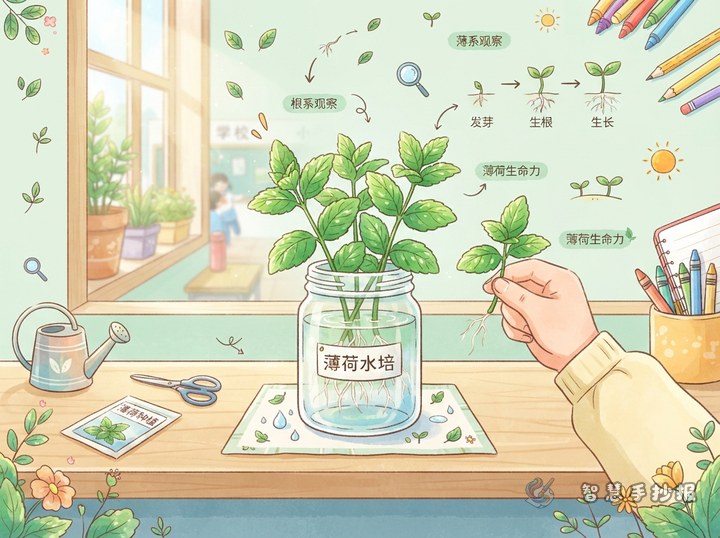
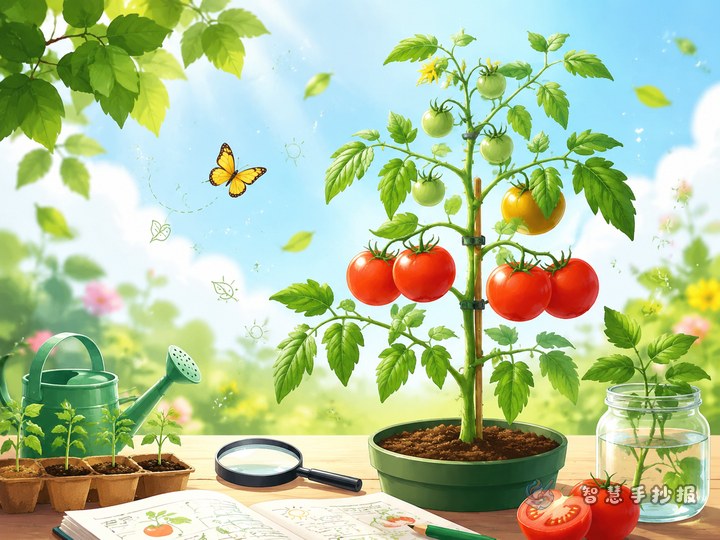
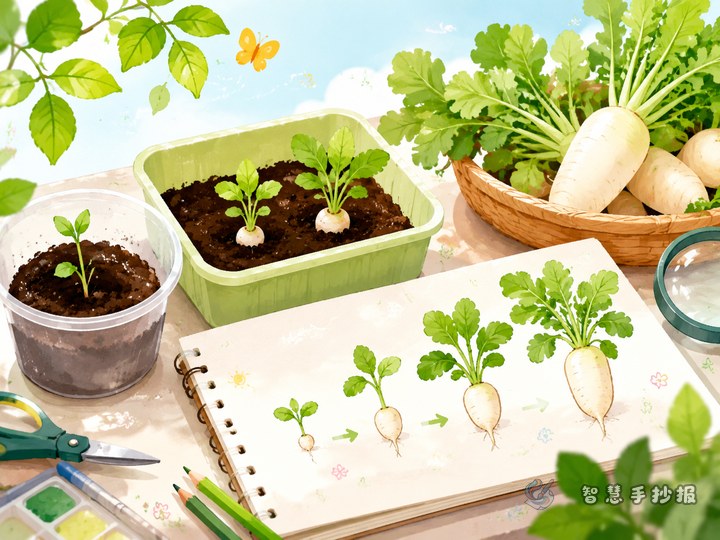
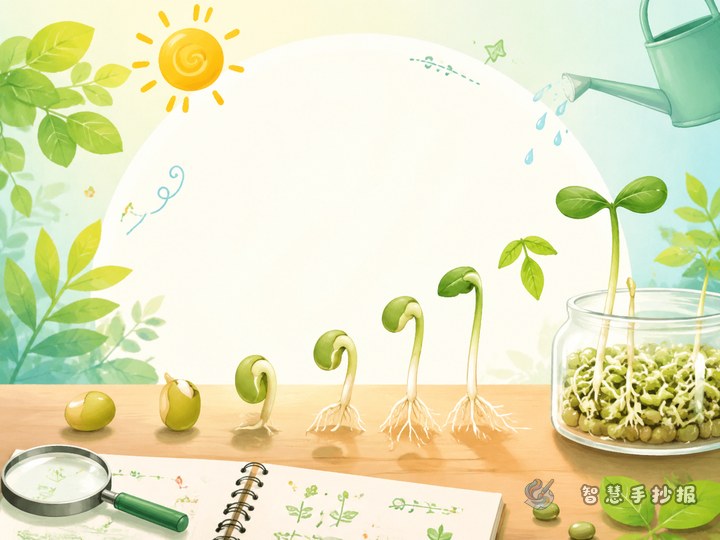
A balsam growth observation poster is most interesting when it shows the whole growing process instead of only introducing the plant. Before designing the page, choose a focus: early sprouting, leaf growth, or the full journey from seed to flower. Once the process is clear, the poster will feel more real and personal.
For school assignments, it is best to emphasize time order and observation details. For display purposes, you can add flower colors, leaf shapes, and decorative borders to make the page more lively.
Useful sections you can place on the page
Growth timeline
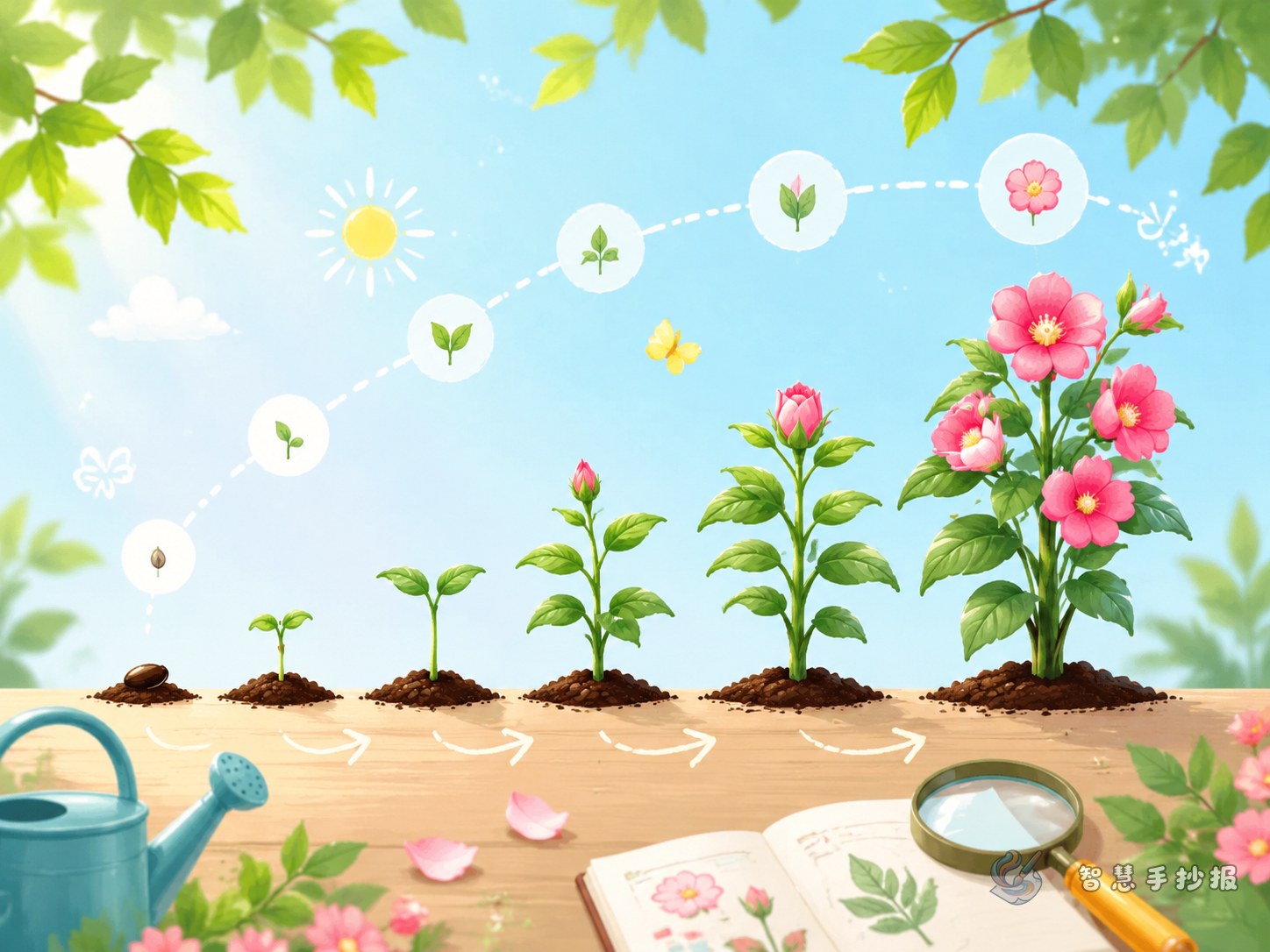
Use short notes to record each stage of the balsam plant. Keep each point simple and easy to read.
- Day 1: I planted the seeds in moist soil.
- Day 5: Tiny sprouts came out of the soil.
- Day 10: Several small green leaves appeared.
- Day 20: The stem grew taller and the leaves became denser.
- Later: I continued watching for buds and flowers.
Quick plant facts
- Balsam likes sunshine and fresh air.
- It needs proper watering but should not sit in water for too long.
- Its flowers can be red, pink, purple, and other colors.
- It grows fairly quickly, so it is a good plant for observation projects.
My planting reflections
This part can include what you really noticed, such as slower growth on cloudy days, wetter soil after overwatering, or the excitement of seeing a new leaf. Personal notes make the poster feel authentic rather than copied.
How to write observation text that feels real
Try to avoid vague lines. Instead of writing “It grew bigger,” write something more specific like “The stem became taller and the leaves turned a darker green.” Concrete details make your poster stronger.
- Record the date of planting and sprouting.
- Describe what the sprout and leaves look like.
- Note changes in height, leaf number, and color.
- Write about watering and sunlight.
- Add your own feelings about the most surprising change.
If space is limited, turn long sentences into short observation cards so the poster stays neat and readable.
Make the layout feel natural and fresh
A balsam theme fits a bright and natural layout. Put the title at the top center and decorate it with leaves, petals, or seed patterns. In the main area, use arrows or a vertical timeline to connect the growth stages. Even with simple content, the poster will still look organized.
- Good color choices include green, pink, and light purple.
- Borders can be made with vines, petals, or small leaves.
- Drawings can show a flowerpot, sprout, leaves, and blooming flower.
- Important lines can be marked with bold mini headings for easy reading.
If you are unsure how to balance the page, divide it into top, middle, and bottom sections first, then place the title, observations, and reflection before adding decorations.
A simple ending that feels complete
The ending does not need to be long. It should summarize what you learned from the observation. You can mention plant growth rules, the value of caring for living things, and the habit of careful watching.
For example: By growing balsam, I learned that plants need sunlight, water, and patient care. I also learned how to record changes by date and found that every new leaf is worth noticing. This was not only the growth of a flower, but also a fun nature-learning experience.
After finishing the text, you can continue improving the design in the Zhihui Shouchaobao WeChat mini program to adjust layout, title styles, and colors more easily.