Start with the main question
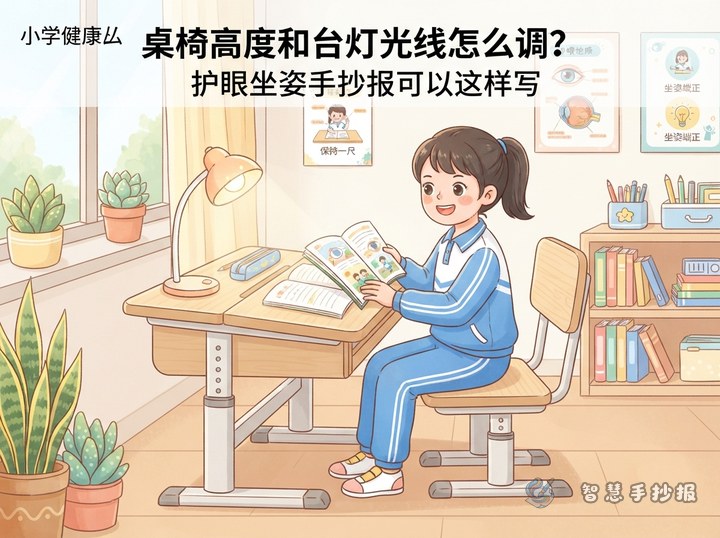
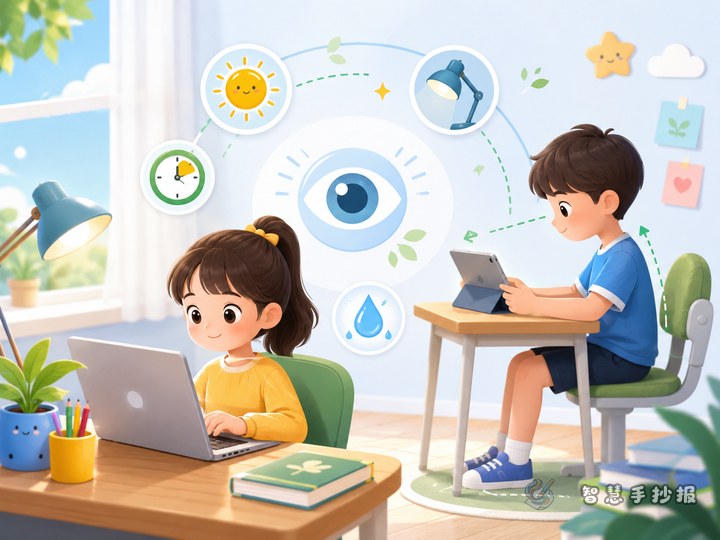
This topic works best with a question-style title such as “How far should reading and writing be?” It sounds natural and matches what students and parents often want to know. At the beginning, you can explain that eye protection is not only about using screens less, but also about keeping good posture during daily study.
Key text ideas students can copy
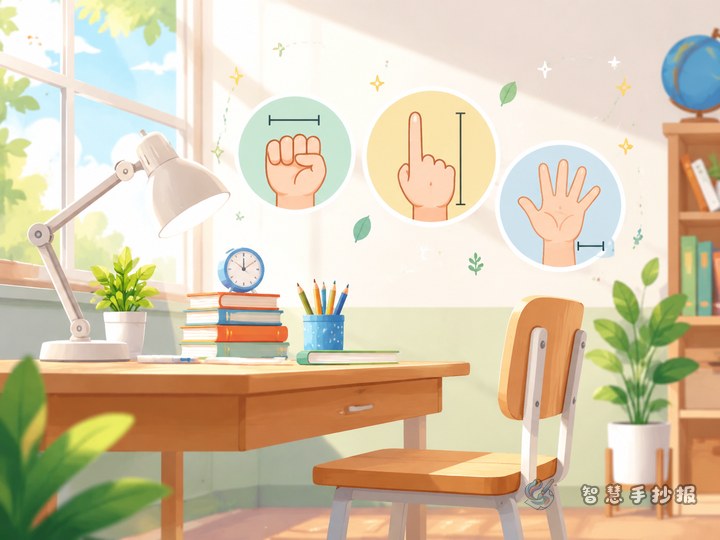
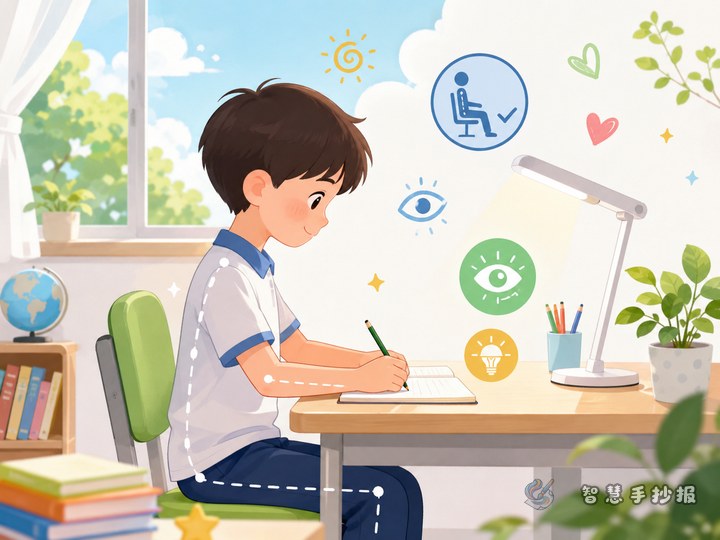
Remember the right distance
- Keep your eyes about one foot away from the book.
- Keep your chest about one fist away from the edge of the desk.
- Keep your fingers about one inch away from the pen tip.
Sit in a proper way
- Keep your head straight and your back upright.
- Relax your shoulders and place both feet naturally on the floor.
- Angle the notebook slightly to avoid lowering your head too much.
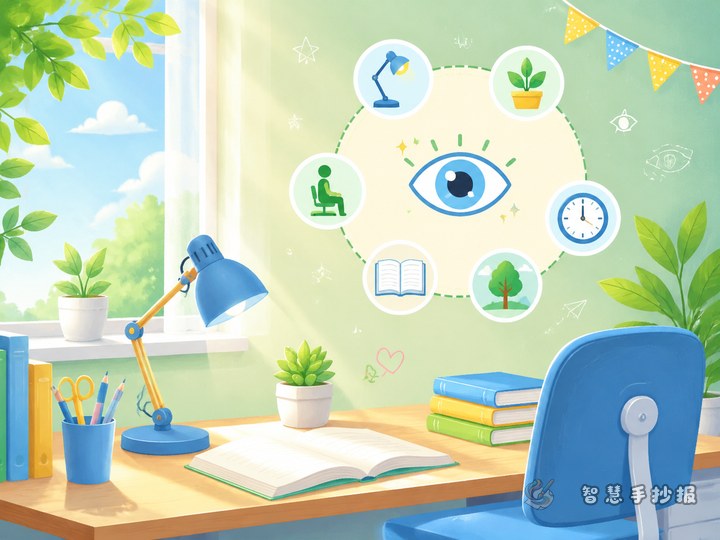
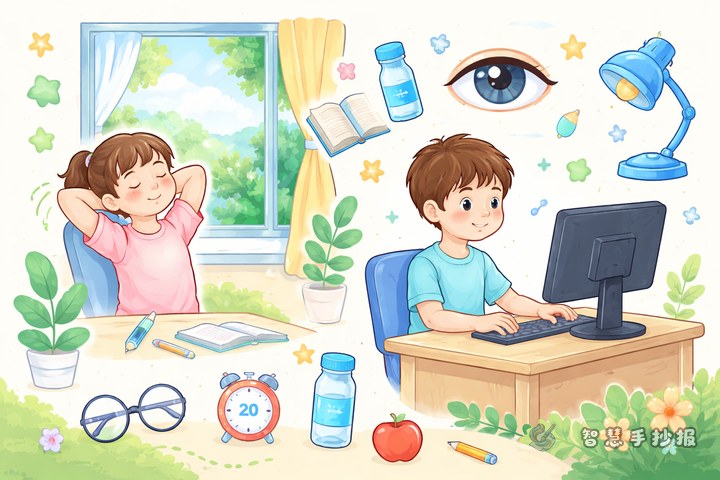
Build healthy eye habits
- Take breaks after reading or writing for a while.
- Look into the distance or at green plants to relax your eyes.
- Do not read in lighting that is too dim or too harsh.
- Do not read while walking or lying down.
Good section ideas for the page
To make the handwritten newspaper more interesting, divide it into short sections instead of writing one long block of text.
- Eye Care Rhyme: Add a short memory line about proper posture and distance.
- Common Wrong Postures: List habits like bending too close, leaning sideways, or lying on the desk.
- Small Daily Actions: Create a checklist of healthy study habits.
- I Can Do It: Add self-reminder sentences in the first person.
How to arrange the layout
A strong design for this topic is a center-and-sections layout. Put the main title and the distance rule in the middle, then place smaller sections around it, such as “Proper Sitting,” “Wrong Examples,” “Eye Care Habits,” and “Reminder Slogans.” Decorations can include rulers, pencils, books, lamps, and cartoon eyes.
If the page is larger, you can separate the left side into reading posture and the right side into writing posture, then add a small self-check area at the bottom to make the work feel more interactive.
Short slogans you can use
- Bright eyes begin with good posture.
- Do not bend too close when reading or writing.
- Keep the right distance, protect your eyes every day.
- Sit properly and study happily.
- Small habits can make a big difference for eye health.
How to end the handwritten newspaper
You can finish by connecting the topic to daily life: protecting the eyes is not a one-day task, but a habit to practice every time we read and write. After drafting the content, users can also continue improving section ideas and wording in the Wisdom Handwritten Newspaper WeChat mini program to make the final page cleaner and more attractive.