Choose a Plant Exploration Theme
Let the project focus on observing nature, learning about plants, and caring for health. Instead of listing many herb names, guide readers through a simple path: entering the mountains, noticing plants, and gaining a lesson from the legend.
Use “Shennong Tastes Hundreds of Herbs” as the main heading. A subtitle such as “An Ancient Journey into the World of Plants” works well. In two or three sentences, explain that the legend tells of Shennong observing plants in order to help people understand them.
Create Four Easy Reading Areas
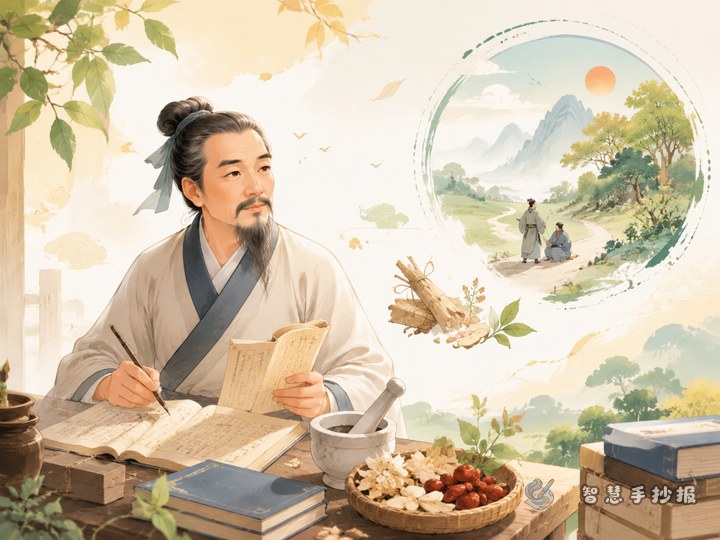
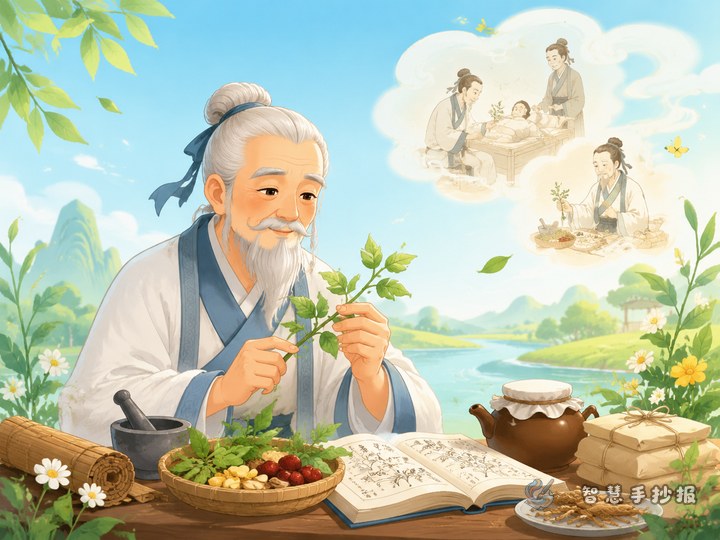
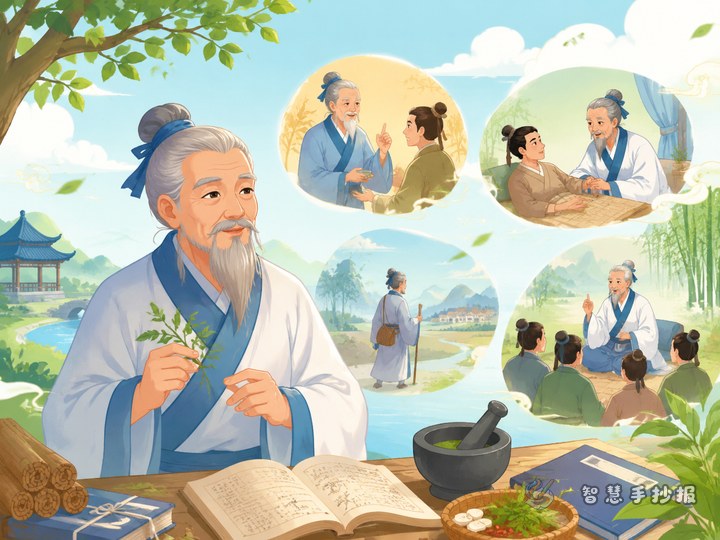
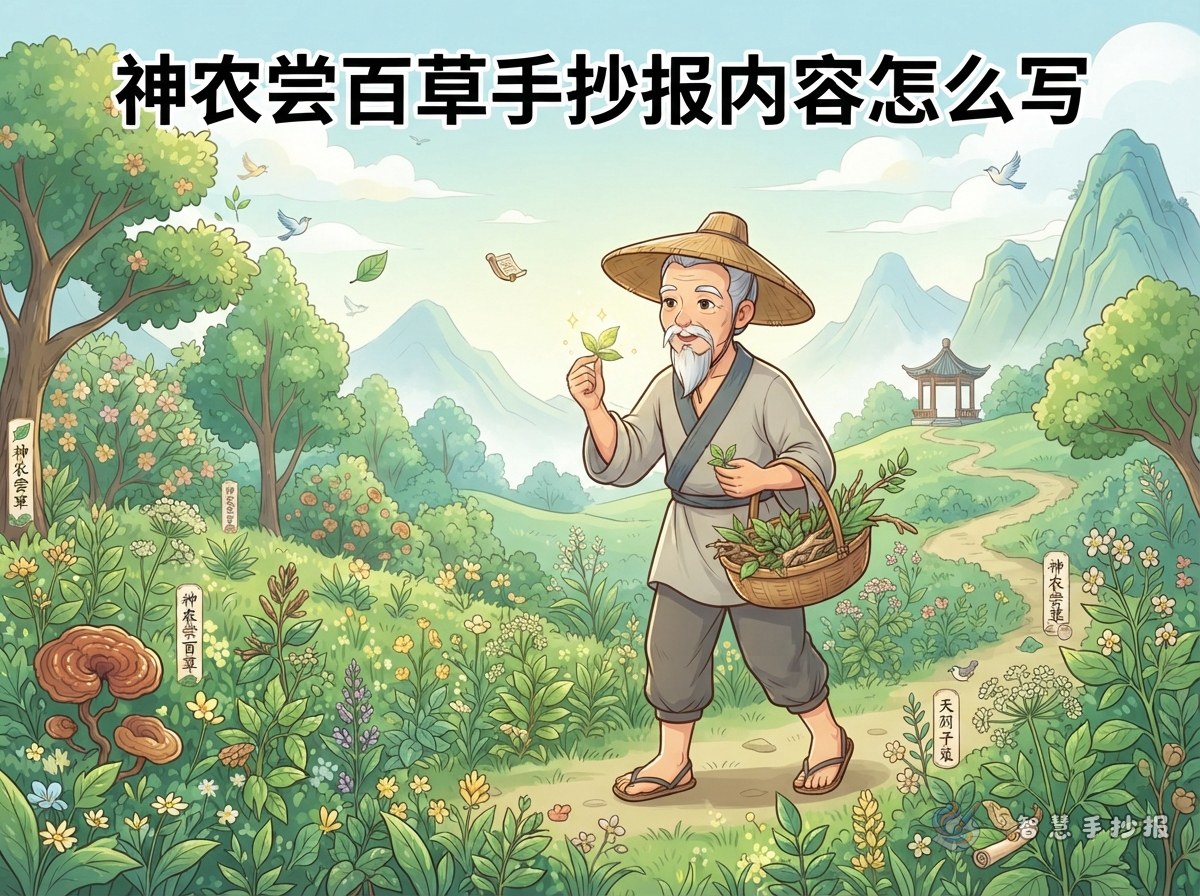
- Legend Scene: Briefly describe Shennong exploring the mountains and carefully identifying plants. Add a drawing of a person, hills, and wild herbs.
- Plant Magnifier: Pick three familiar plants, such as mint, chrysanthemum, and mugwort. Write one observation for each, such as its leaf shape, color, or scent.
- Medicine Culture Card: Explain that ancient medical knowledge grew from long-term observation, records, and practice.
- Safety Corner: Write clearly: “Do not pick, taste, or use unknown plants. Tell an adult if you feel unwell.”
Short Sentences to Copy
- Every plant holds a secret of nature waiting to be discovered.
- The legend of Shennong shows the ancient desire to explore medicine and care for life.
- Learning about plants requires science and careful observation.
- Healthy habits begin with caring for our bodies and respecting nature.
- Traditional culture also teaches us to learn honestly and thoughtfully.
Design the Page Like a Mountain Trail
Use green, brown, and light yellow as the main colors. Draw Shennong observing plants on the left and place three leaf-shaped fact cards on the right. A winding path along the bottom can connect the safety note and your personal reflection. Small drawings of a pestle, bamboo slips, flowers, or dew drops can fill empty corners without crowding the text.
Neat Finishing Tips
Simple drawings are enough: a round face, long robe, and a plant in one hand can represent the character. Use colored labels for section titles and dark ink for body text. Before finishing, check spellings and keep the legend concise. End with a thought such as, “I want to observe nature as carefully as Shennong did.”
Add Your Own Creative Touch
Sketch the title area and four sections before writing so the page stays balanced. If you want to adjust colors, text boxes, and layout more easily, you can continue designing in the Smart Handwritten Newspaper WeChat mini program, then add your own writing and drawings for a personal final project.