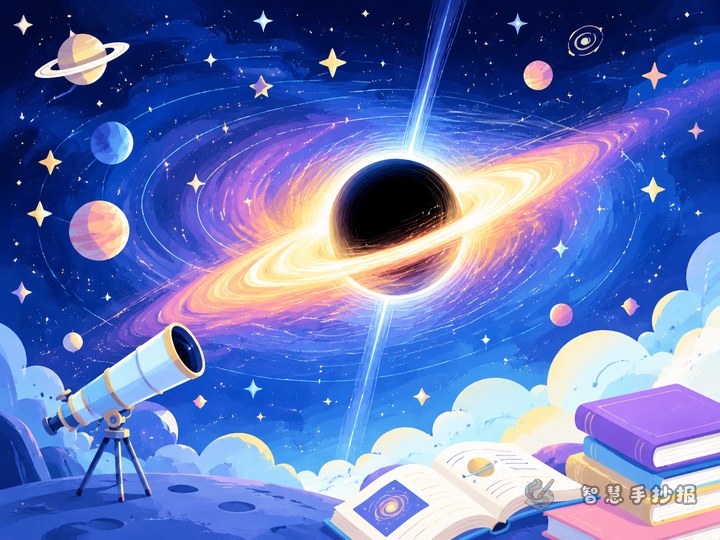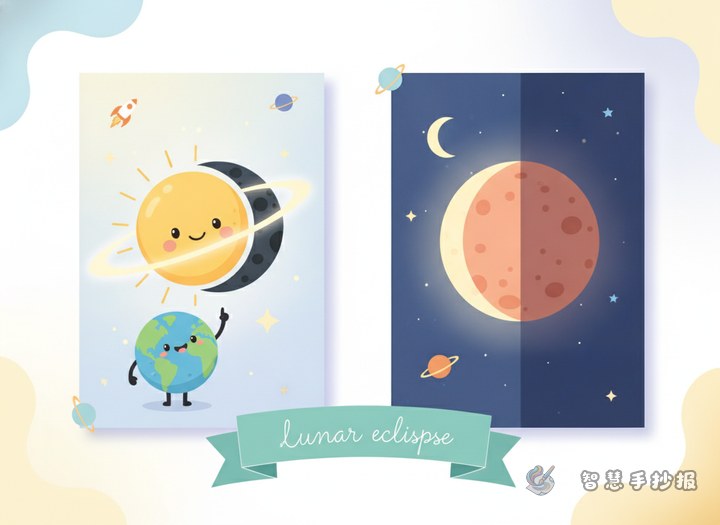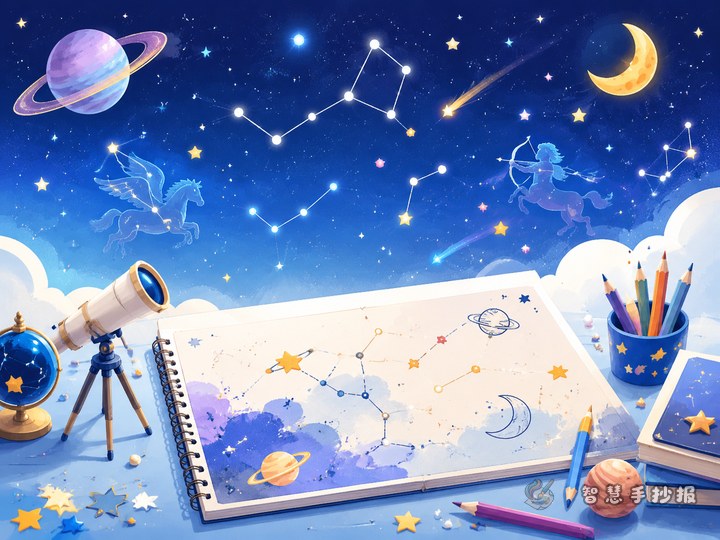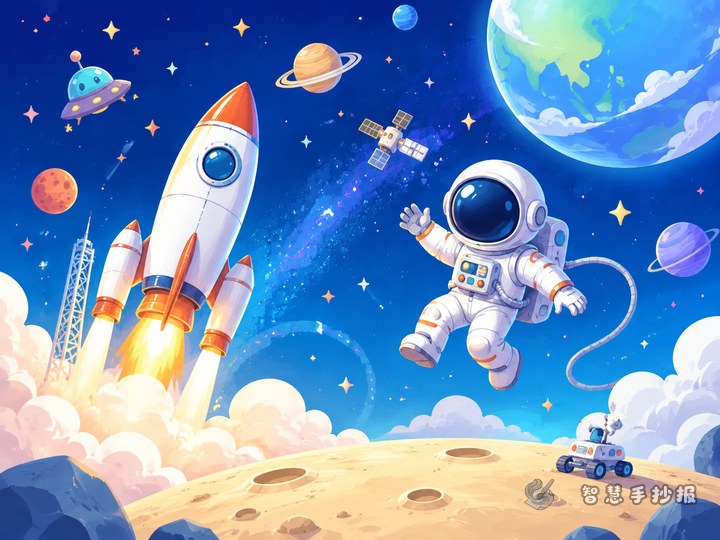
Start with a clear idea: turn the solar system into a space journey
A simple and engaging topic for a poster is “The Eight Planets of the Solar System”. It is easy for children to understand and also very convenient for organizing sections. You can design the page as if readers are taking a journey outward from the Sun and meeting each planet one by one.
The title can sound lively and student-friendly, such as “Which Planet Is the Most Special?” or “Let’s Learn the Eight Planets.” A clear title makes the poster easier to read and more attractive.
What to include on the poster
Basic facts section
- The solar system includes the Sun and the objects that move around it.
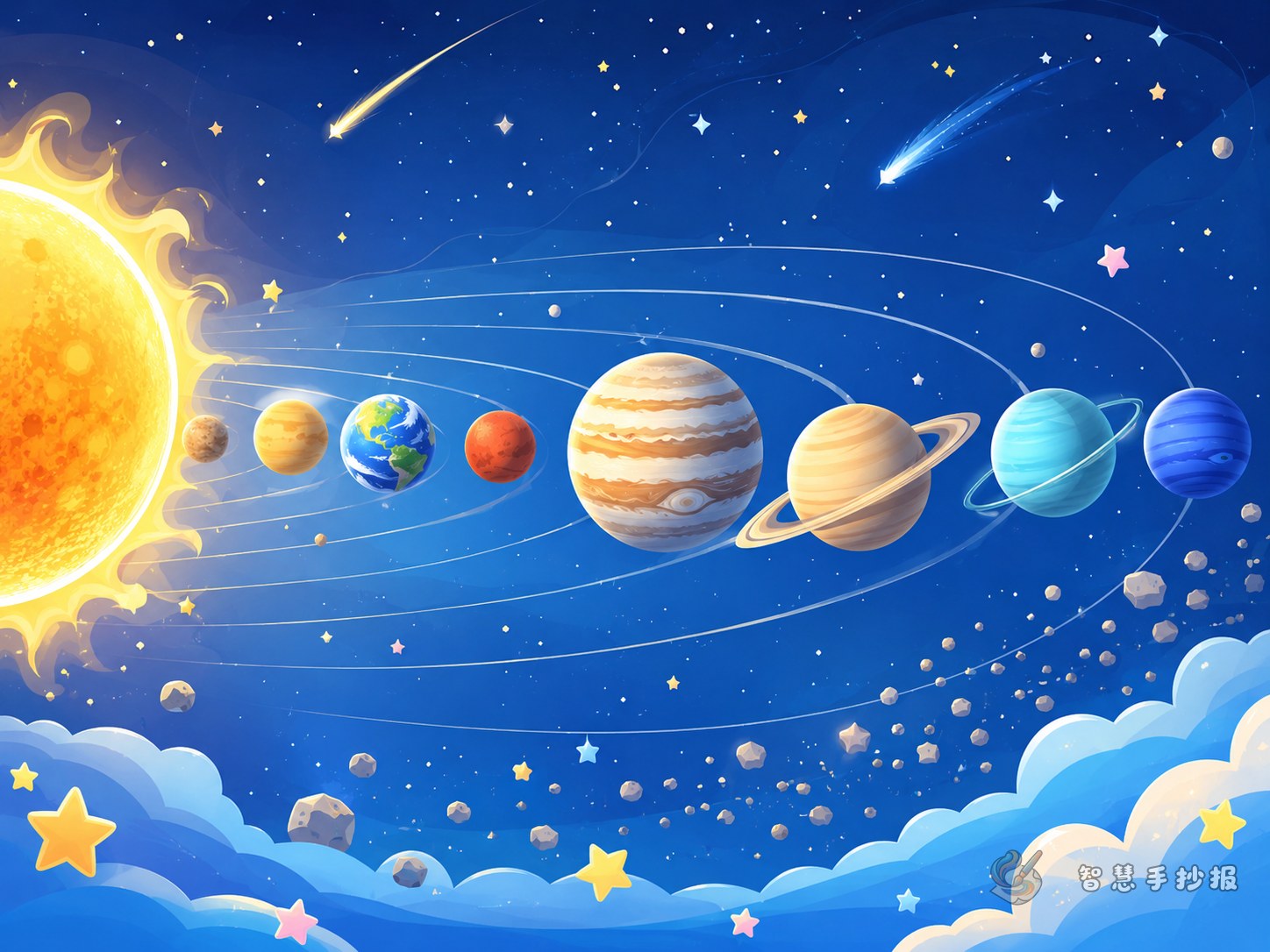
- The eight planets are Mercury, Venus, Earth, Mars, Jupiter, Saturn, Uranus, and Neptune.
- Planets closer to the Sun are different in temperature from those farther away.
Planet highlight section
- Mercury: the closest planet to the Sun.
- Venus: one of the brightest objects in the night sky.
- Earth: the planet where we live.
- Mars: often called the red planet.
- Jupiter: the largest planet in the solar system.
- Saturn: famous for its beautiful rings.
- Uranus: blue-green in color and unusual in rotation.
- Neptune: a deep blue planet far from the Sun.
Short lines students can use
- Looking at the stars is the first step to learning about space.
- Each planet is different, and together they make the solar system amazing.
- Exploring space helps us stay curious and keep asking questions.
How to divide the page into sections
A good layout is one main title in the center with clear sections around it. This makes the poster neat and easy to follow. You can organize it like this:
- Top left: What is the solar system?
- Top right: The order of the eight planets.
- Bottom left: My favorite planet.
- Bottom right: Fun space facts.
- Bottom area: What I learned from this poster.
If you have more space, you can also add a size comparison, planet colors, or simple distance notes.
Colors and decorations for a space theme
Use dark blue, purple, or black as the main background colors, then add yellow, white, and light blue for stars and headings. Important words can be bold to help readers notice key facts such as “largest,” “rings,” or “red planet.”
- Draw borders with stars, rockets, telescopes, or orbit lines.
- Add small planet circles beside each section title.
- Keep each fact short so the page looks tidy.
- Leave some blank space to make the poster feel clean and bright.
A simple plan students can use right away
If you do not have much time, use a simple structure: one main title, eight short planet facts, and one closing paragraph. This is enough to show the topic clearly. A good closing sentence could be: “The solar system is full of mystery. By making this poster, I learned the order of the eight planets and discovered that each one has its own special features.”
If you want to improve the layout or find more matching materials, you can continue your design in the Zhihui Handwritten Newspaper WeChat mini program.