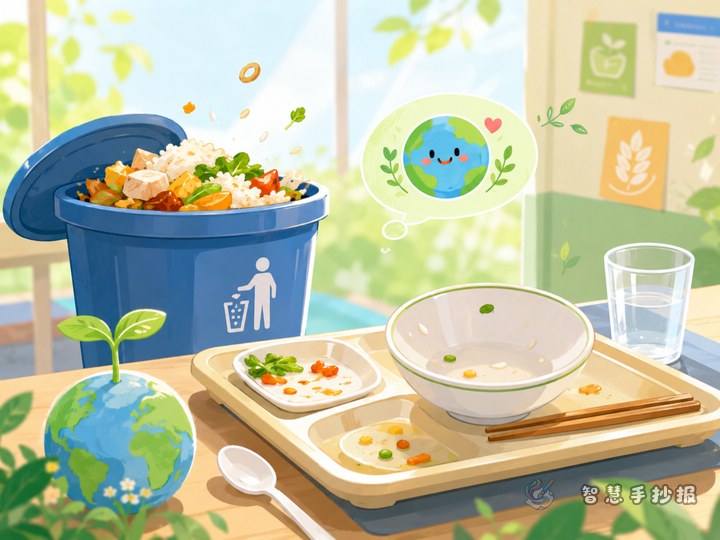
Build the Theme Around Taking Only What You Need
This poster can focus on a practical idea: take an amount of food that matches your appetite. Instead of simply telling readers not to leave leftovers, show them what to do while serving rice, choosing dishes, and returning for seconds. A plate, serving spoon, and small portion symbols can make the message clear at first glance.
Explain a Simple Three-Step Serving Method
- Think first: Consider how hungry you are and how much you can finish before filling your plate.
- Start small: Take a modest serving and leave room for a balanced mix of grains, vegetables, and protein.
- Add more if needed: Finish the first serving before getting a little more, so food is not wasted.
Add a key reminder: “Taking what you need does not mean eating too little. It means choosing a suitable amount.” This keeps the Clean Plate message from becoming pressure to overeat.
Ready-to-Use Paragraph and Slogans
Short Theme Paragraph
Food reaches our plates only after planting, care, harvesting, transport, and cooking. The Clean Plate Campaign can begin with one thoughtful decision before every meal: take what you can finish and return for more only when needed. A little planning at each meal can turn food conservation into an everyday habit.
Short Slogans
- Start with a small serving and add more later.
- Plan your plate and waste no food.
- Take what you need and finish with ease.
- Do not compete over portions or leave food carelessly.
Draw a Journey Across the Plate
Arrange the page as a horizontal journey. Use the left section for “Before Serving,” the center for “During the Meal,” and the right section for “After Eating.” Include estimating a portion, eating mindfully, and checking the empty plate, then connect the sections with arrows. Place the main title at the top and a pledge strip along the bottom.
Use grain yellow, vegetable green, and tomato red for the title, borders, and highlighted words. Small drawings of plates, rice grains, and serving spoons can fill open spaces without crowding the writing. Put the longer paragraph in the widest section and keep steps and slogans short for easy reading.
Finish with a Personal Clean Plate Pledge
Create a small “My Serving Promise” area in the lower corner. Include three actions: estimate before serving, begin with a small portion, and speak up when a portion is too large. Leave one line for students to add a habit of their own. After preparing the text, students and parents can continue in the Smart Hand-Copied Poster WeChat Mini Program to choose a layout, arrange sections, and complete the poster.