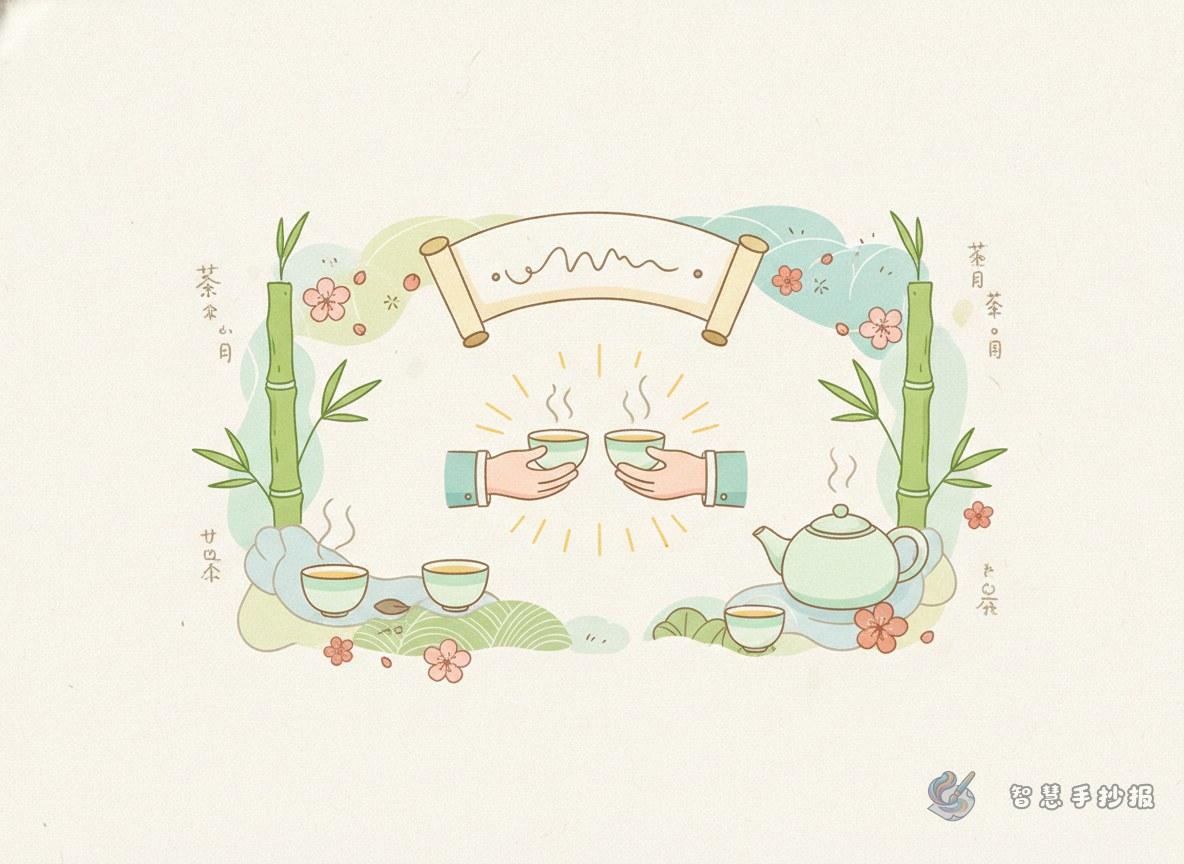
Build the page around the idea of serving tea
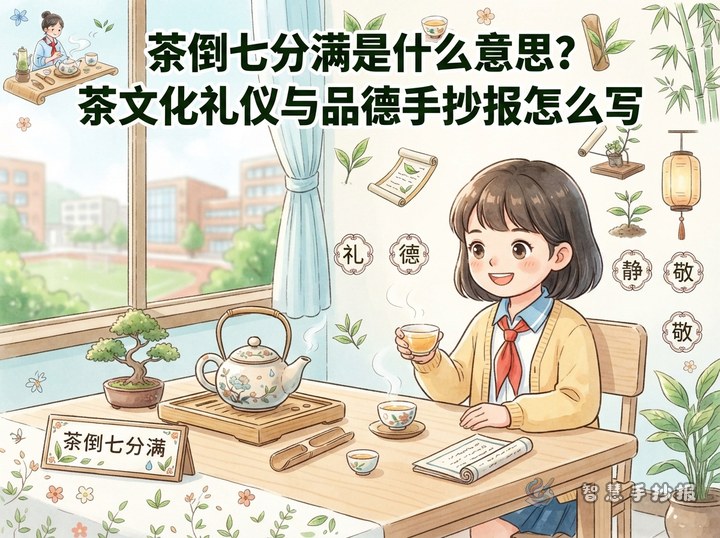
If you want the handwritten newspaper to feel meaningful, set the main theme as respect shown through a cup of tea. This lets students connect tea culture with manners, kindness, and character instead of only listing facts about tea.
A title such as “What Can a Cup of Tea Teach Us?” or “Manners Hidden in Tea” makes the page feel warm and thoughtful.
Four section ideas that work well on the page
- Tea manners mini lesson: explain simple actions like offering tea with both hands, saying thank you when receiving it, and keeping a calm voice.
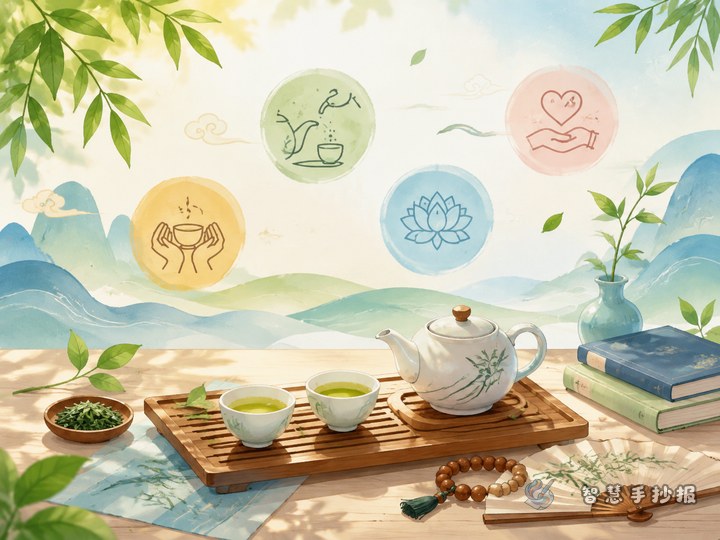
- Character in tea culture: connect tea to respect, patience, humility, and gratitude.
- Daily life examples: include moments such as serving tea to grandparents, welcoming guests politely, or waiting your turn when sharing drinks.
- My reflection: write one or two sentences about what tea manners teach us in real life.
Short text materials students can use
Long paragraphs are not necessary. Short lines and simple ideas are easier to read and copy onto the page.
- A cup of tea can carry respect.
- Good manners begin with thoughtful actions.
- Tea brings calm, and etiquette brings warmth.
- Serving tea teaches patience and care.
- Respecting others is part of true culture.
Students can also add a short explanation: tea culture is not only about tea leaves and tools, but also about how people treat one another with courtesy and care.
Keep the layout calm, neat, and gentle
This topic looks best with a clean design. A centered title, two side sections, and a small reflection area at the bottom work very well. Soft green, cream, and light brown are suitable color choices because they match the feeling of tea and nature.
Simple decorations such as teacups, teapots, leaves, and steam lines are enough. Do not overcrowd the page. If you want to continue improving the layout and section design, you can move on to the Zhihui Shouchaobao WeChat mini program for more making ideas.
End with a moral takeaway
Instead of ending with “I like tea culture,” students can write a stronger closing thought. For example: tea etiquette is not only about actions, but about respecting others from the heart. Learning tea manners is also learning how to become a gentle, polite, and thoughtful person.
This kind of ending helps connect culture and character education in a natural and complete way.