Turn Who Can Help Me into a Clear Route
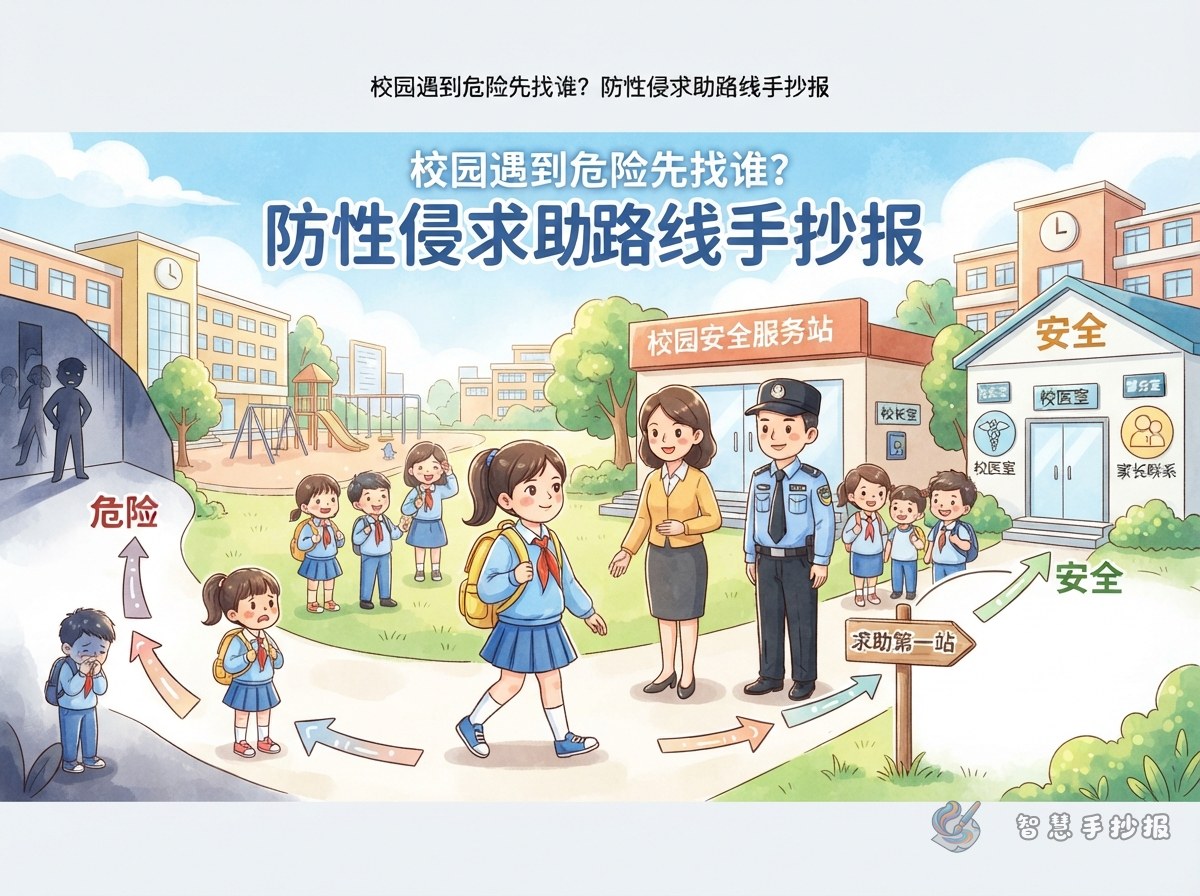
The purpose of this poster is not to show frightening stories. It is to help students remember what to do when a body boundary is crossed, when someone demands a frightening secret, or when a situation feels unsafe. Draw a bright route through the center of the page and connect the steps with footprints or arrows.
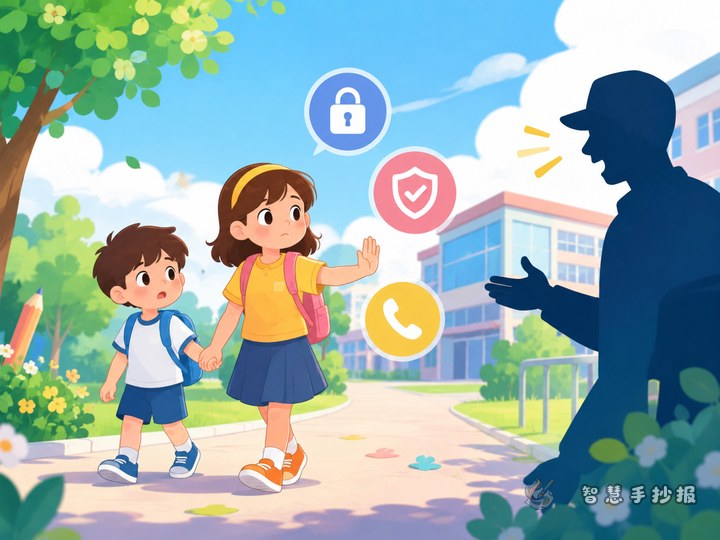
- First stop: leave the unsafe place. Move toward a classroom, school office, guard station, or another busy place with responsible adults. You do not have to stay there in order to explain everything.
- Second stop: say what happened in simple words. Try saying, I feel uncomfortable. Please stay with me, or I need to find my parent and teacher now.
- Third stop: find a trusted adult. Tell a parent, caregiver, class teacher, school staff member, or another adult who makes you feel safe.
- Fourth stop: keep asking for help. If the first person does not listen or respond properly, tell another trusted adult until someone takes action.
Four Important Reminders for the Poster
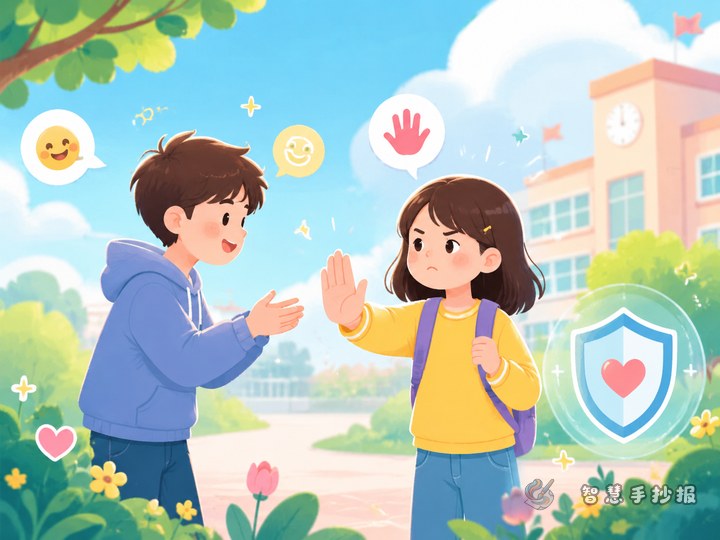
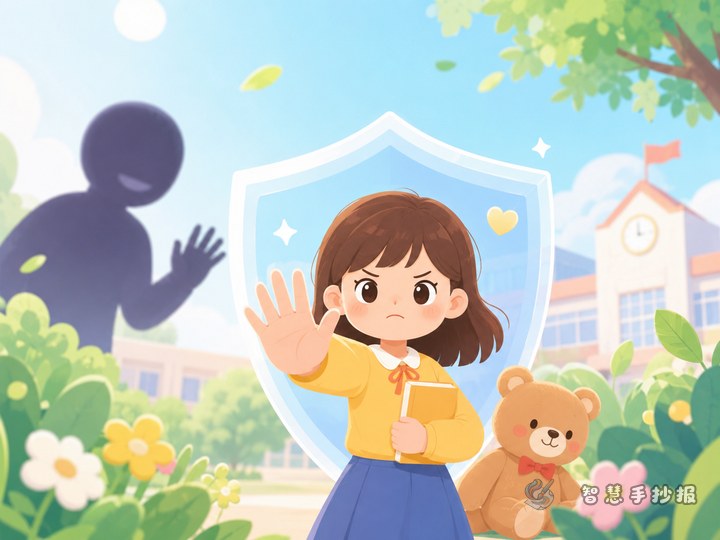
- Your body boundaries belong to you: You can say no to contact that feels frightening, uncomfortable, or forced, and you can leave and ask for help.
- Not every secret should be kept: A secret that causes fear or shame, or that someone says must never be told, should not be carried alone.
- You do not have to prove anything first: If something feels wrong, you can tell a trusted adult. The child who asks for help is not to blame.
- Safety comes before politeness: In an unsafe situation, it is okay to speak loudly, call for help, or tell people nearby that you need assistance.
Short Help-Seeking Phrases to Copy
Stop. I do not like this. This made me scared, and I need to tell my parent or teacher. Please come with me to find a trusted adult. If nobody helps me the first time, I will keep asking. If speaking face to face feels too difficult, a child can write a note, message a parent, or ask a friend to help pass on the message.
Draw My Circle of Trusted Adults
Next to the route, draw three circles with the words I can ask for help in the center. Use the circles to show possible helpers. The first circle can include parents or caregivers, the second can include a class teacher, another teacher, or school staff, and the third can include reliable relatives or other adults who can help. There is no need to add real phone numbers. The goal is to think of at least two or three people in advance.
Add this bold reminder below the circles: If one person does not hear me, I will tell another. The poster can also remind classmates to listen, stay with a friend, avoid teasing or blaming, and never spread someone else's experience.
Make the Help Route the Visual Center
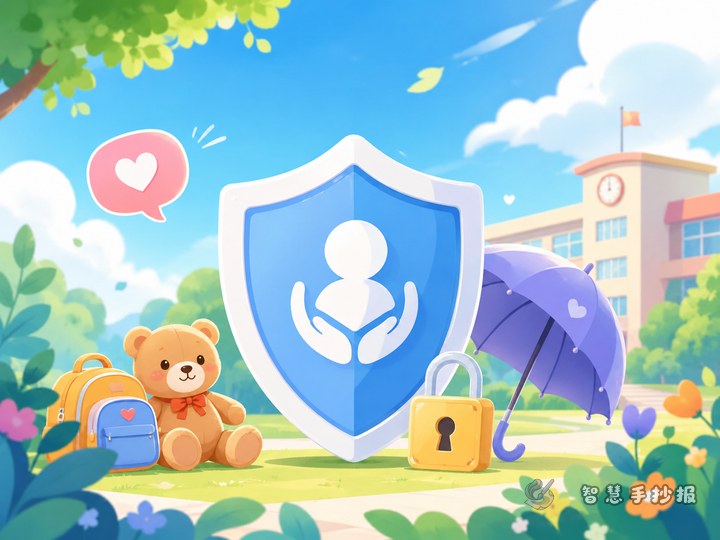
Try a horizontal or diagonal layout. On the left, draw a speech bubble saying I feel unsafe. In the middle, place four stations: leave, speak up, find an adult, and keep seeking help. On the right, add a sun or shield with the words I deserve protection. Keep each station to one or two short lines so the page does not become crowded.
- Use blue, green, and orange to separate the steps, with simple shields, footprints, and speech bubbles.
- Put the help-seeking phrases in large speech bubbles so they are easy to notice.
- Avoid frightening images. A bright background can show safety, support, and protection.
- Under the title, add a subtitle such as Know your boundaries, ask for help, and protect yourself and your classmates.
Final Check: Is the Poster Easy to Act On?
Read the poster once more. Can a student immediately see what to do first? Does it name at least two trusted adults? Are the phrases short and clear? Does it explain that a child can keep looking for help if the first person does not listen? When these points are included, the poster becomes more than a collection of slogans: it becomes a calm, clear safety action card. After preparing the words and layout, you can continue designing it in the 智慧手抄报 WeChat Mini Program.